
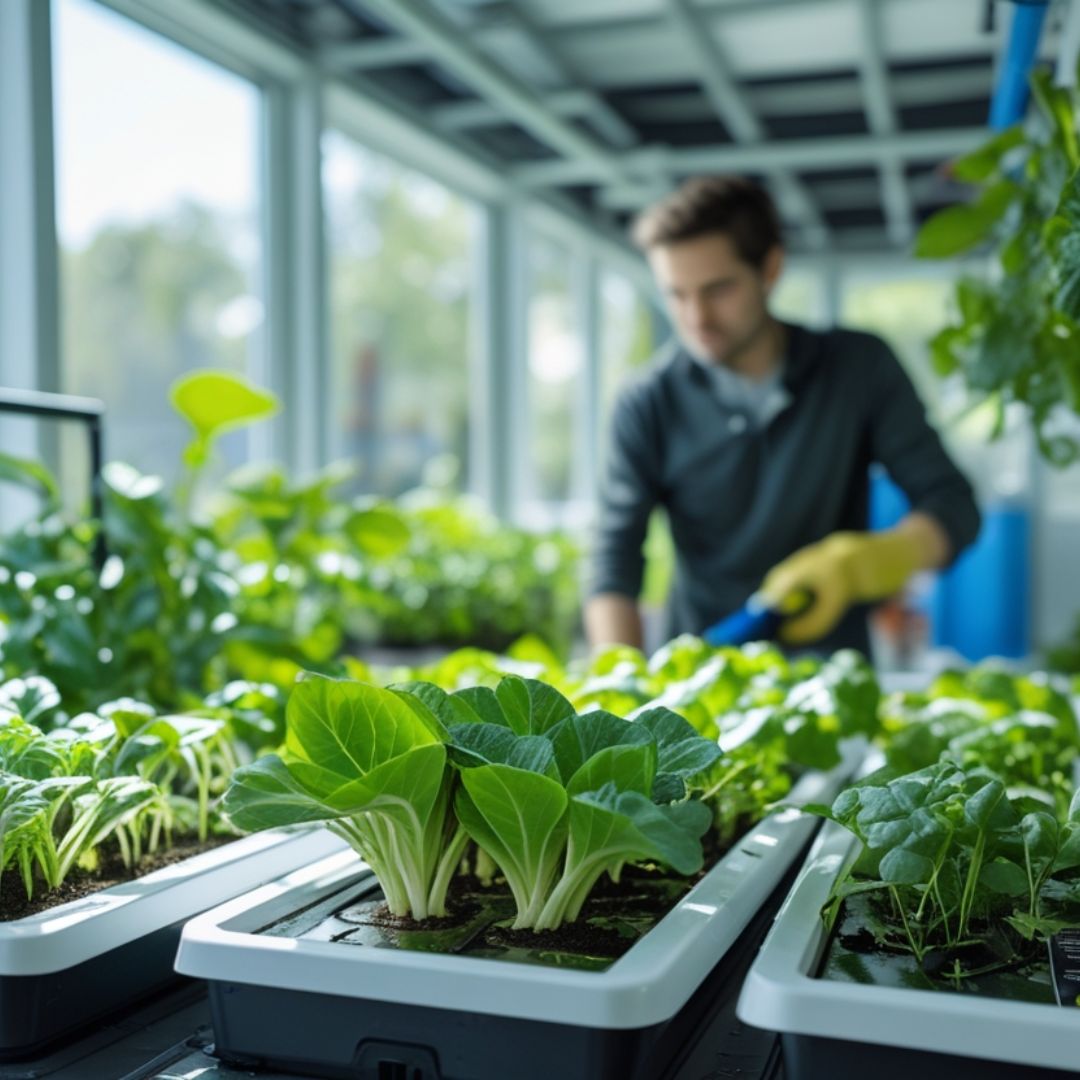
You can grow fresh herbs and vegetables indoors year-round using water, nutrients, and light instead of soil. A simple hydroponic garden can give you faster growth, higher yields, and tighter use of space than a traditional soil bed.
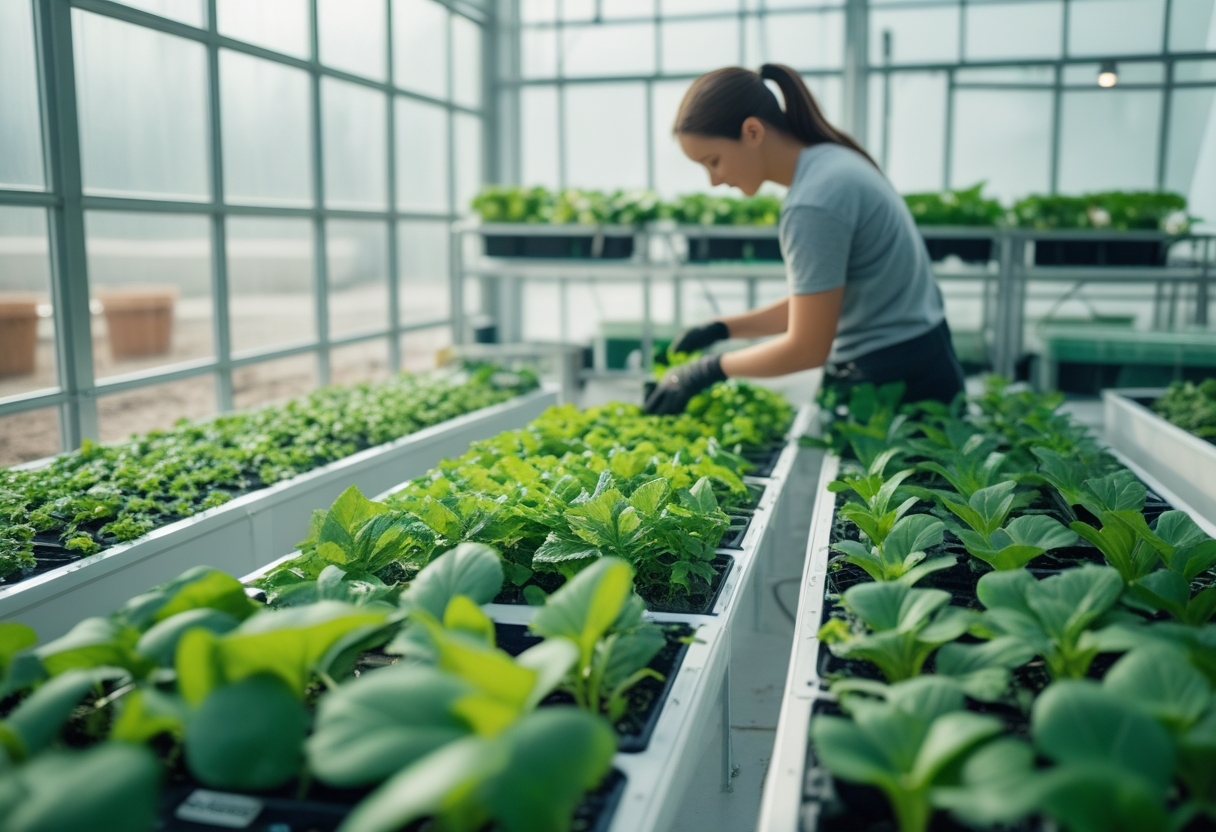
This guide shows how hydroponics works, which systems fit your space and skill level, and which plants thrive in a soilless setup. You’ll learn clear steps for setting up and maintaining a hydroponic garden, plus tips on choosing the best greens, herbs, and fruiting crops.
Expect easy-to-follow advice on core principles, essential system types, and everyday care so you can start a productive hydroponic garden with confidence.
Core Principles and Essential Systems
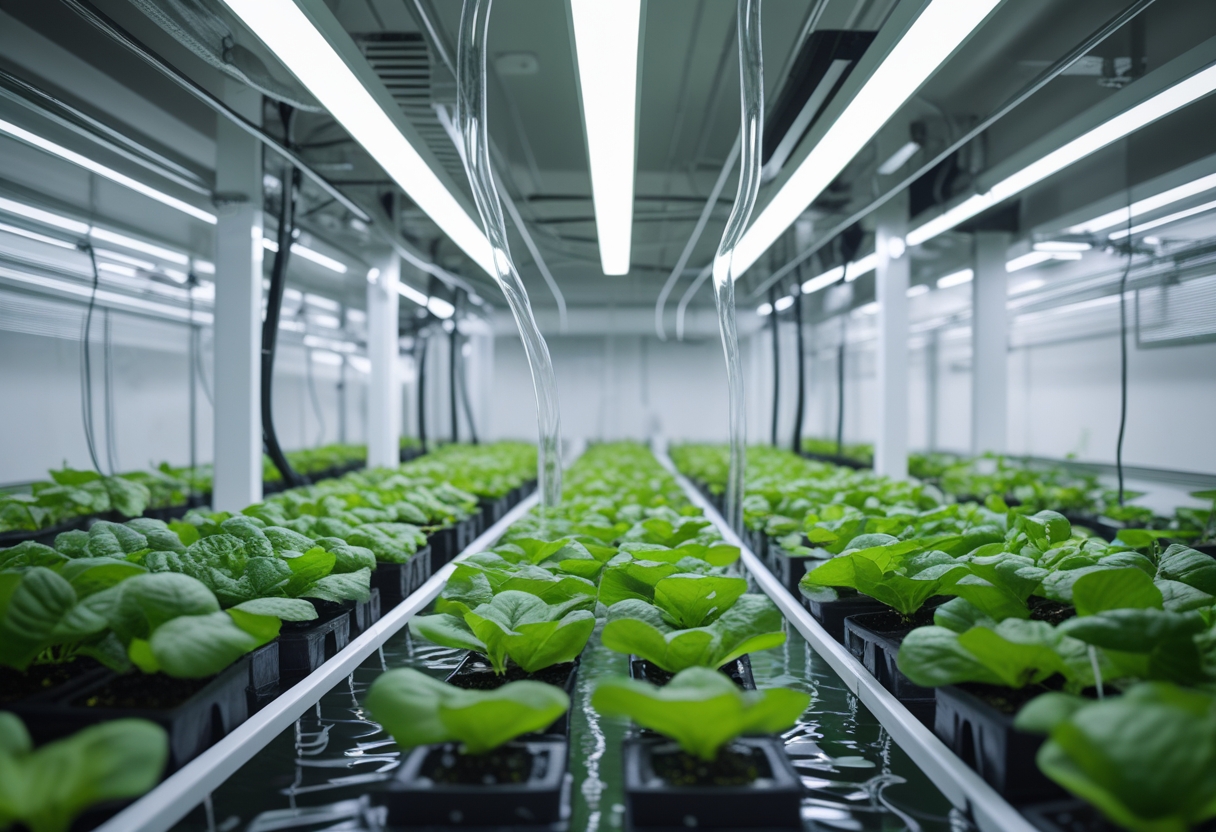
Hydroponics means growing plants without soil, using water and dissolved nutrients. You control water, nutrients, pH, and oxygen to give roots exactly what they need for faster growth and higher yields.
How Hydroponics Works
Hydroponics replaces soil with a nutrient solution that supplies macronutrients (N, P, K, Ca, Mg, S) and micronutrients (Fe, Mn, Zn, B, Mo, Cu, Cl, Ni). You mix concentrated hydroponic nutrients into a reservoir and monitor strength with an EC meter and pH with a pH testing kit.
Roots either sit directly in the solution or touch a thin film of it, depending on the system. Oxygen matters: air pumps and air stones keep roots healthy and help prevent root rot.
pH affects nutrient availability; aim for about 5.5–6.5 for most vegetables. Test daily when you’re new, then adjust with pH up or pH down solutions as needed.
Types of Hydroponic Systems
Choose a system based on space, skill, and crop type. Common systems include:
- Wick system: passive, cheap, good for herbs and small greens.
- Deep Water Culture (water culture): roots float in oxygenated nutrient solution using air stones.
- Nutrient Film Technique (NFT): thin nutrient stream flows through sloped channels; good for leafy greens.
- Ebb and Flow (flood and drain): flood tray then drain to cycle nutrients and air.
- Drip system: emitters drop nutrient solution to each plant; scalable for larger setups.
- Aeroponics: mists roots with nutrient solution; high oxygen, technical to run.
- Kratky method: non-circulating, simple reservoir method for small projects.
Use net pots, growing trays, and media like rockwool, coco coir, perlite, or hydroton to support roots where needed.
Key Components for Starting Out
A basic indoor hydroponic garden needs: reservoir, submersible pump (for circulating), air pump with air stones (for oxygen), growing tray or channels, net pots, and a reliable light source like LED grow lights.
Get tools: EC meter to measure nutrient strength, pH testing kit and pH adjusters, timer for pumps and lights, and grow media (coco coir or hydroton are beginner-friendly).
Buy pre-mixed hydroponic nutrients labeled for vegetative growth and flowering, and follow dosing instructions. Include good air circulation and a drain tube to prevent salt buildup and stagnant water.
Advantages and Potential Challenges
Hydroponics gives faster growth, higher yields, and efficient water use compared with soil. You can grow year-round indoors with grow lights and control nutrient timing for vegetative growth or flowering.
Challenges include salt buildup, disease risks like root rot and powdery mildew, and the need for regular monitoring of EC and pH. Power outages can harm plants quickly in active systems; consider backups or simpler methods like Kratky for that risk.
Start small, monitor closely, and clean or flush systems regularly to prevent nutrient imbalances and toxicity (for example, boron or excess salts).
Plant Selection and Best Practices
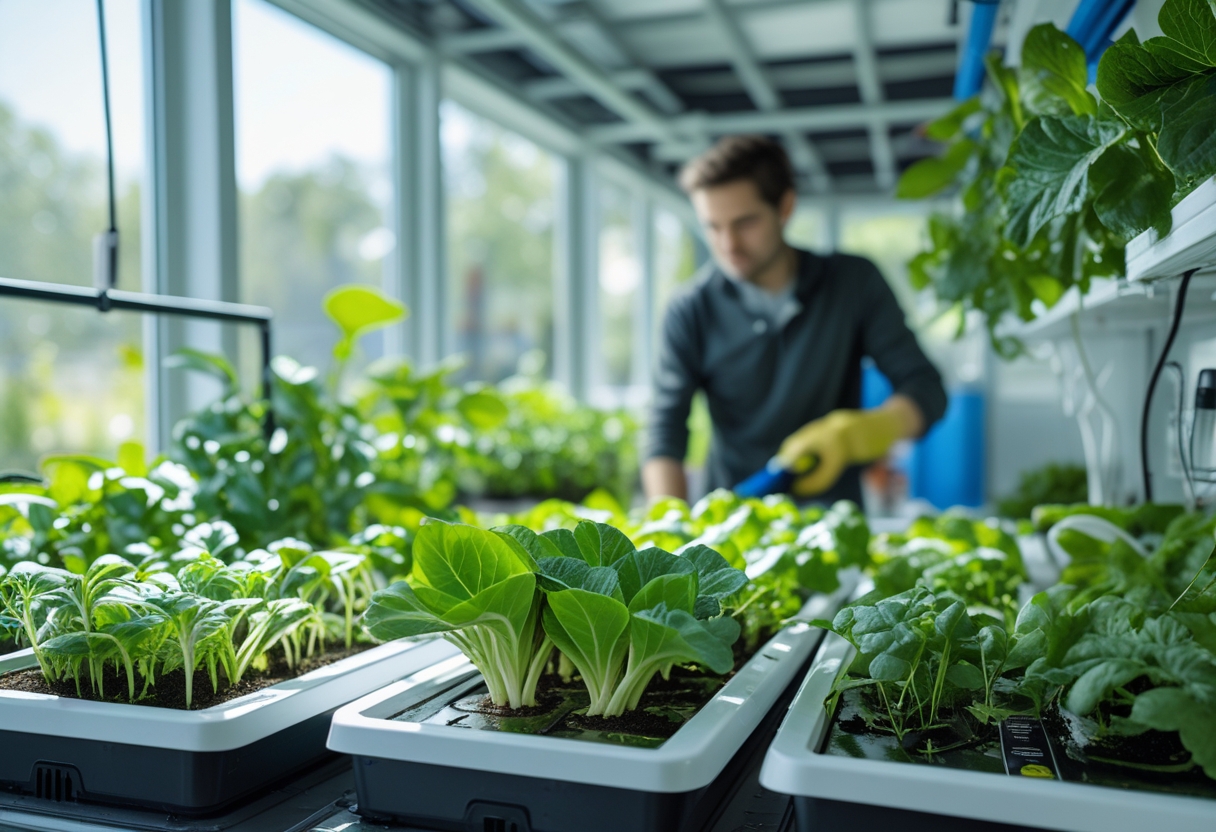
Select plants that match your space, light, and system type. Pick fast-growing greens and herbs for quick returns, and reserve larger fruiting crops for systems with strong support and steady nutrient control.
Top Crops for Hydroponic Success
Choose lettuce, spinach, kale, swiss chard, and microgreens for fastest success. These leafy greens need moderate light (12–16 hours for most) and respond quickly to nutrient changes, so you can harvest within weeks.
Basil, mint, parsley, cilantro, and oregano thrive in nutrient-rich water and low to medium flow systems. They tolerate compact growing media and are great for continuous harvest.
Tomatoes and strawberries need more attention: strong trellising, stable EC and pH, and pollination or hand-pollination indoors. Expect longer grow cycles and higher nutrient demands.
Avoid deep-rooted crops like carrots and potatoes; they need soil depth and are prone to clogging drippers or channels.
Choosing and Managing Growing Media
Pick a media that matches your system: clay pebbles for aeration, coco coir for moisture retention, or rockwool for seed starting. Clay pebbles work well for tomatoes and larger plants because they drain fast and support roots.
Coco coir suits herbs and leafy greens; it holds water and nutrients, reducing the need for frequent feeding. Rockwool gives consistent germination for spinach and lettuce but needs careful pH management.
Sterilize reused media and rinse new media to remove dust. Monitor root crowding and repot when roots wrap tightly. Use net pots and spacing that let air reach roots to cut disease risk.
Maintaining System Health and Preventing Issues
Keep pH between 5.5 and 6.5 for most crops; tomatoes prefer around 5.8–6.3. Check pH and EC daily for fruiting crops and twice weekly for greens. Stable numbers prevent nutrient lockout and slow growth.
Prevent root rot by ensuring oxygen at roots: use air stones, maintain flow, and avoid stagnant reservoirs. Inspect roots weekly—healthy roots are white; brown, slimy roots indicate root rot and need immediate action.
Clean reservoirs every 1–2 weeks, sanitize tubing, and use biological controls if needed. For indoor growing, control humidity and airflow to reduce fungal issues and improve pollination for tomatoes and strawberries.
