

You can grow a useful, beautiful garden even if you only have a balcony, windowsill, or tiny backyard. Use vertical planters, containers, and compact varieties to make the most of every inch and choose techniques that fit your light and space. With the right layout and plant choices, a small urban garden can supply fresh herbs, vegetables, and flowers all season.
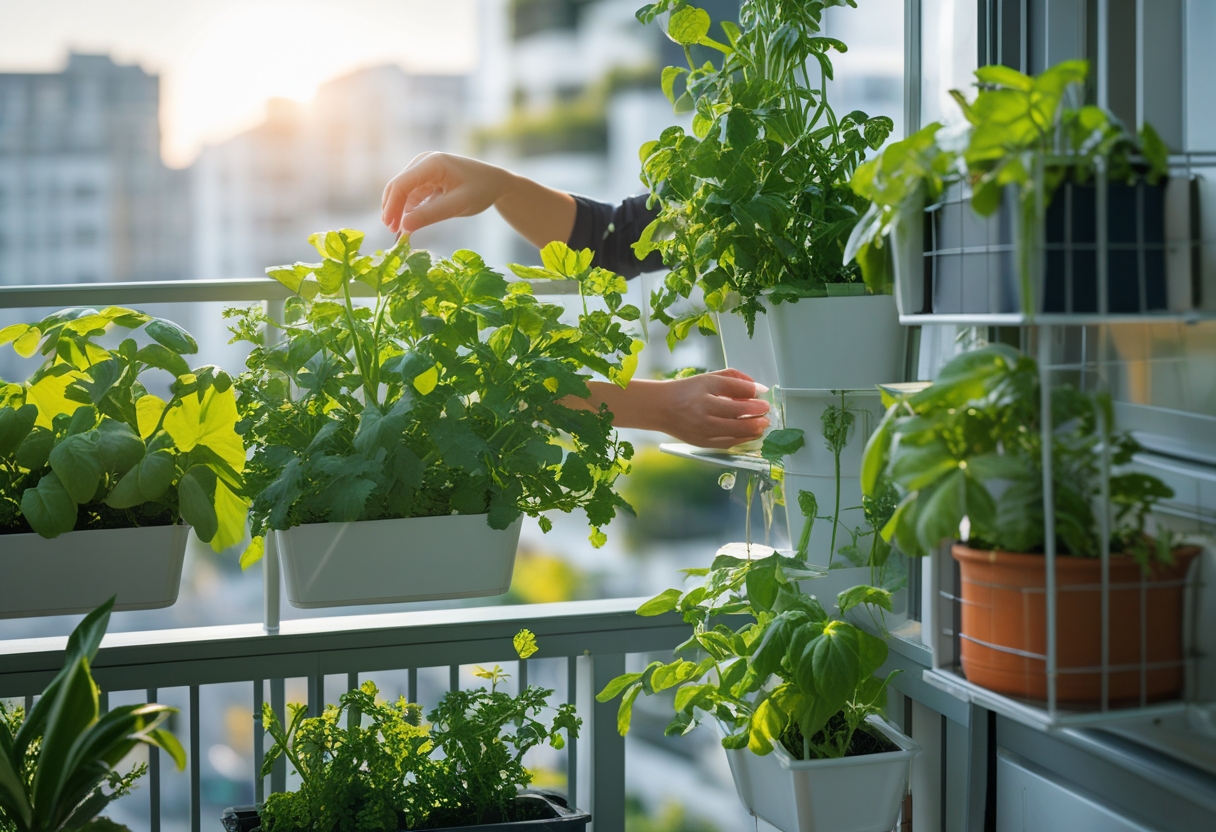
This post shows simple, practical ways to maximize space and keep plants healthy so your garden stays productive. Expect tips on vertical gardening, containers, succession planting, soil care, and picking the best small urban garden ideas for your spot.
Maximizing Space and Choosing the Right Techniques
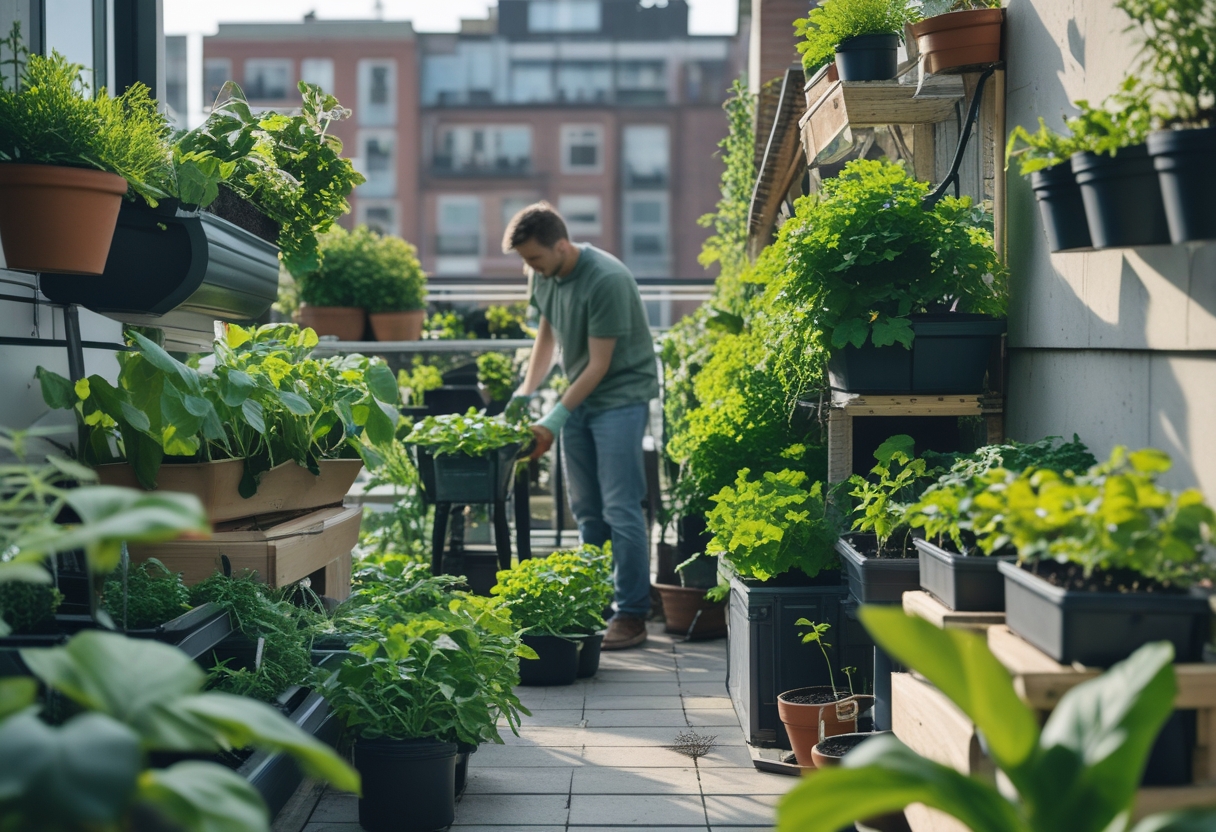
Use vertical height, movable containers, and multi-use planters to get the most from balconies, windowsills, and small patios. Pick systems that fit weight limits, sunlight patterns, and how often you’ll water and move plants.
Vertical Gardening and Vertical Planters
Vertical gardening saves horizontal space by stacking plants upward. Use trellises, wall-mounted grids, and commercial vertical planters to grow vining crops like peas, beans, and cucumbers. For herbs and lettuces, choose modular vertical planter towers or stackable planters that let you add levels as you need them.
Anchor tall systems to walls or railings so wind doesn’t topple them. Make sure the bottom pots get drainage and that top tiers don’t dry out faster than lower ones. Select lightweight soil mixes and low-maintenance crops if you can’t water daily.
Container Gardening Options
Containers let you garden on balconies, rooftops, and windowsills. Choose sizes for each crop: 5–10 gallon pots for tomatoes and peppers, 1–3 gallon pots for herbs, and shallow trays for salad greens. Use grow bags for root crops and flexible space-saving options.
Pick containers with drainage holes and use saucers if water runoff is a concern. Repurposed containers—wood crates, buckets, or plastic bins—work if you add drainage and food-safe liners. Moveable containers let you follow sunlight and protect plants from storms.
Integrating Hanging and Wall-Mounted Planters
Hanging planters and hanging baskets free floor space and add layers to a balcony garden. Use railing planters on balcony edges for strawberries and cascading herbs. Install wall-mounted planters and pocket planters for herbs, succulents, and small annuals.
Hang baskets with proper hooks rated for the load and use lightweight potting mixes. Place sun-loving plants where they get direct light, and shade-tolerant species on north-facing walls. Watering can be easier with self-watering hanging pots or drip tubing run to each planter.
Smart Garden Bed Design for Small Areas
Design raised beds and garden beds to fit narrow patios or rooftop decks. Build narrow raised beds (12–24 inches wide) so you can reach the middle without stepping in. Use pallet planters or long troughs along railings to create continuous planting zones.
Layer planting: put deep-rooted crops like carrots in one bed and shallow greens in front. For balconies, attach railing planters or create tiered raised beds to increase plant density. Ensure beds have good drainage and check load limits on balconies and rooftops before filling them.
Essential Tips for Healthy and Productive Urban Gardens
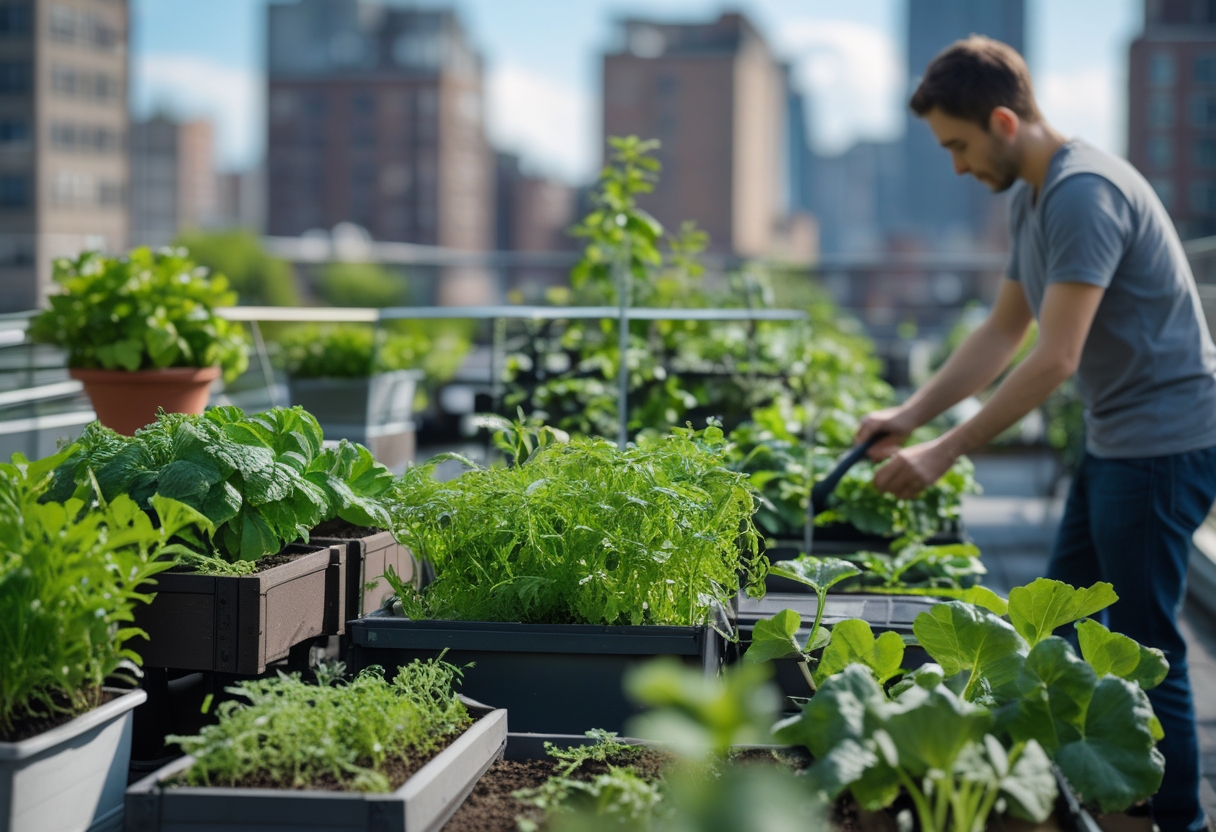
Focus on choosing the right plants, giving them good soil and steady water, and using eco-friendly methods that save time and build community. Small changes—like using a quality potting mix, scheduling succession planting, and adding compost—give the biggest returns.
Plant Selection and Succession Planting
Pick plants that suit your light and space. Grow basil, thyme, and rosemary in sunny pots; leafy greens, spinach, and microgreens do well in partial sun or under grow lights. Use dwarf fruit trees or compact tomato varieties for balconies. Train cucumbers and beans up a trellis to save floor space and grow more fresh produce.
Stagger plantings so you always harvest something. Sow lettuce or radish every 2–3 weeks for continuous crops. Start microgreens indoors on a windowsill to bridge gaps between outdoor seasons. Combine companion planting—like basil near tomatoes—to boost flavor and deter pests.
Use containers sized for the plant: deep pots for carrots and other root vegetables, 5-gallon or larger for tomatoes and dwarf fruit. Choose stable pots with drainage to protect roots and prevent soggy soil.
Soil, Water, and Sunlight Management
Use a high-quality potting mix, not garden dirt. A good potting mix keeps roots airy and drains well. Add compost or worm castings to improve soil quality and feed plants. Mulch container tops to slow evaporation and keep soil cool.
Water consistently. Drip irrigation or a simple soaker system saves water and prevents overwatering. Check soil moisture by finger test—water when the top inch feels dry. For indoor setups or microgreens, use trays with good drainage and avoid standing water.
Match sunlight exposure to plants. Give tomatoes, peppers, and herbs six or more hours of direct sun. Shade-tolerant plants like ferns and some leafy greens need less. If natural light is low, add grow lights to extend harvests and start seedlings early.
Sustainability and Community Connections
Compost food scraps or use vermicomposting to return nutrients to your pots. Make compost tea for a gentle, natural fertilizer. Use recycled containers and eco-friendly potting mix when possible to lower waste and cost.
Conserve water with drip systems and by grouping plants with similar needs. Choose native or low-water varieties to reduce irrigation needs. Encourage beneficial insects with flowers like zinnia and edible flowers that attract pollinators.
Join a community garden or a local seed swap to share tools, seeds, and tips. Community plots let you grow larger crops and learn about urban farming. Sharing produce builds local food access and keeps your gardening sustainable and social.
