

You can stop overplanning and still have a beautiful, productive garden. Chaos gardening lets you scatter mixed seeds, save time, and enjoy surprises while using up old seed packets.
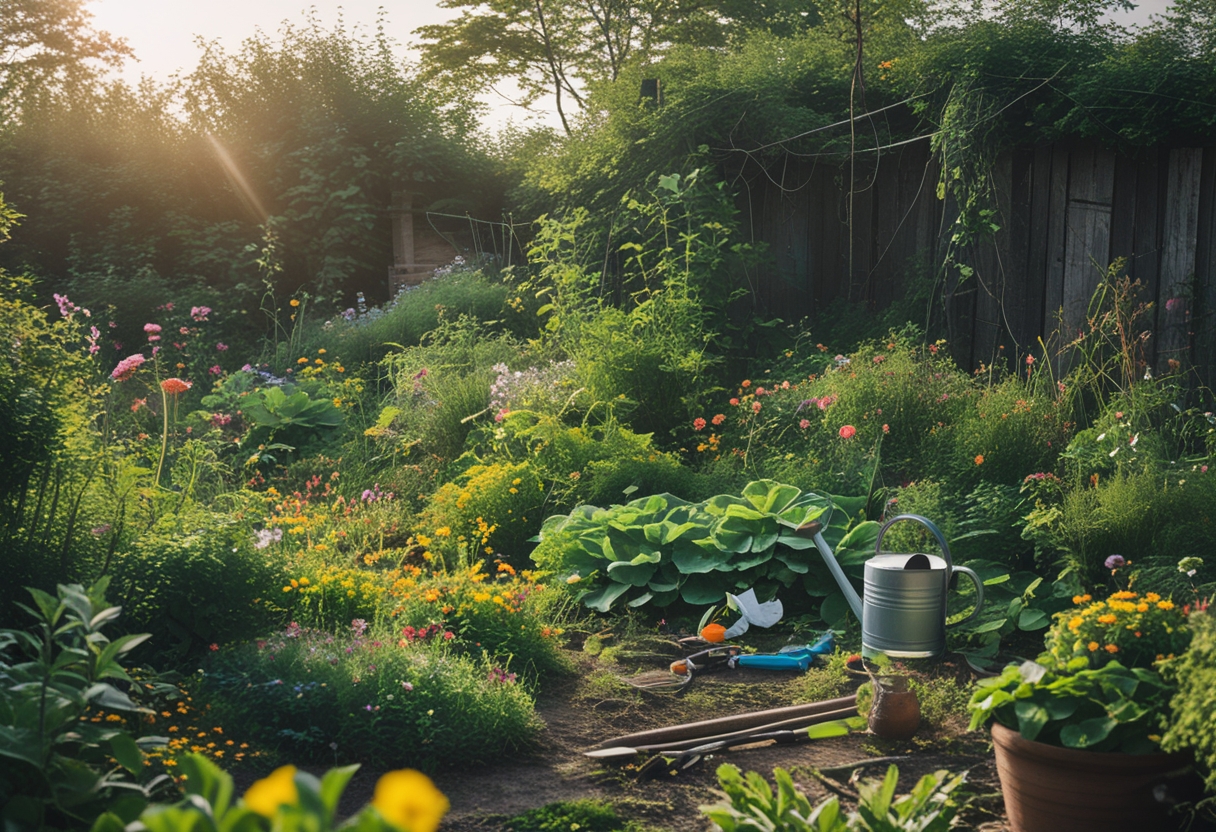
Bold the right parts: Chaos gardening gives you an easy, low‑stress way to grow diverse plants by mixing seeds, planting with minimal rules, and seeing what thrives.
This post will explain what chaos gardening means, why it works, and simple steps to start and care for a chaos garden so you can try it with confidence.
Understanding Chaos Gardening
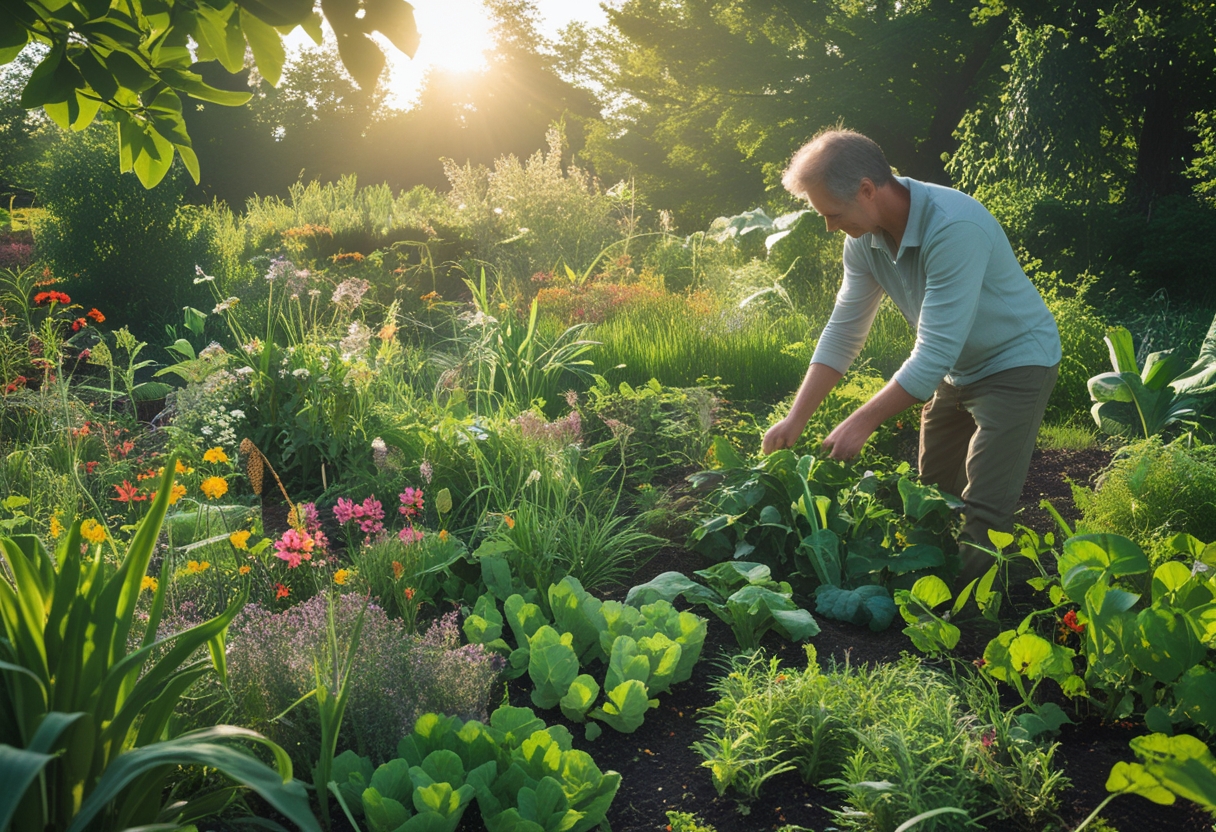
Chaos gardening means you let plants spread and mix instead of placing each one exactly where you planned. You trade tight control for variety, resilience, and a more natural look. Expect self-seeding, layered heights, and continual change over seasons.
What Makes a Chaos Garden Different
A chaos garden rejects strict rows and fixed beds. You scatter wildflower seeds, native seeds, or mixed seed blends across a space and let many species compete and coexist. This creates irregular groupings, varied bloom times, and a patchwork of textures.
You still make choices: seed mixes, site exposure, and where to allow volunteers. You will thin aggressive volunteers and pull weeds when needed. Maintenance shifts from precise pruning to occasional management—removing invasives and ensuring soil health.
A chaos garden often attracts more pollinators and beneficial insects. The variety of flowers and staggered flowering times give bees, butterflies, and other wildlife continuous food. That ecological benefit is one of the main practical differences from formal planting.
Origins and Key Principles
Chaos gardening draws on naturalistic planting and meadow principles but keeps a freer approach. It grew from interest in low-maintenance, biodiversity-friendly yards and viral gardening trends that favor spontaneity. Practitioners value diversity, self-seeding, and letting plant communities find balance.
Key principles include diversity, minimal rigid structure, and observation. You choose a broad seed mix and let nature do selection work. You also monitor and intervene when a species threatens to dominate. Soil improvement—adding compost and checking drainage—remains important to support varied plants.
Timing matters: sow when conditions favor germination for your climate zone and sun exposure. Expect variation year to year as weather and local seed banks change the garden’s makeup. That shifting character is part of the design, not a flaw.
Native Plants vs. Non-Native Mixes
Native plants are adapted to your region’s soil, rainfall, and insects. When you use native seeds, the plants usually need less water and fertilizer and support local pollinators. Including native wildflower seeds helps local bees and birds and builds habitat resilience.
Non-native mixes can add showy color or extend bloom times, but some species risk becoming invasive. If you choose non-native seed blends, pick well-tested, non-invasive varieties and monitor them. Mixes labeled for pollinators often include both native and non-native species—check the seed list.
Best practice: prioritize native seeds for ecological benefit, then supplement with non-native annuals for immediate color. Keep records of seed sources and species so you can remove plants that spread beyond your intended area.
How to Create and Thrive With a Chaos Garden
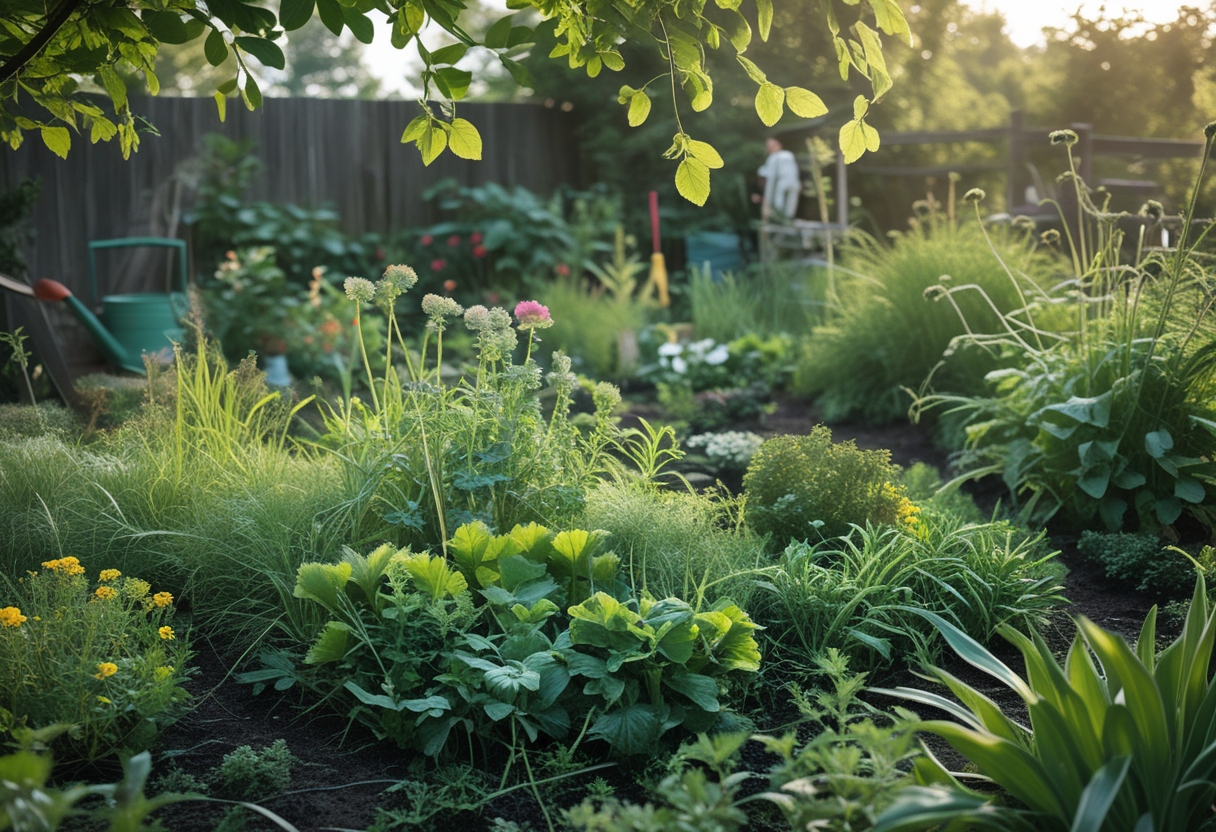
You will use leftover seeds, mix them, and plant them with simple steps. Then you will choose how hands-on you want to be and enjoy surprises while reducing waste.
Starting With Your Seed Stash and Seed Mix
Sort your seed stash by type and seed size before you mix anything. Put large seeds (beans, peas, squash) in one bowl and small seeds (lettuce, carrots, herbs) in another. This helps you scatter with better success and avoid burying tiny seeds too deep.
Check packet dates and do a quick viability test: place 10 seeds on a damp paper towel, fold it, and keep it warm for a week. If most sprout, include that variety in your seed mix. Discard or save clearly dead seeds for craft projects.
If seeds are old but workable, soak large seeds overnight to speed germination. Add a few handfuls of dry potting soil to each bowl to help seeds scatter evenly when you throw them. Label any mixes you keep so you remember what you planted.
Simple Steps for Planting a Chaos Garden
Pick a sunny patch or a large container with good drainage. Most edible and flower seeds in chaos gardens need at least six hours of sun, so choose accordingly.
Loosen the top 2–4 inches of soil or add a 2–3 inch layer of compost over compacted ground. Scatter the large-seed mix first, spreading by hand so seeds aren’t piled. Cover large seeds with a thin layer (0.5–1 inch) of soil.
Next, scatter the small-seed mix and lightly rake or press them in. Small seeds need only a dusting of soil. Water gently with a fine spray to avoid washing seeds away. Mark the area with simple stakes or tags if you want to track what was in the mix.
Low-Maintenance Tips and Ongoing Care
Decide how hands-off you want to be at the start. If you choose low-maintenance, only water during prolonged dry spells and avoid routine weeding; the garden will self-seed and sort itself naturally. If you prefer some control, water seedlings until established, pull aggressive weeds, and thin crowded plants.
Use simple supports like tomato cages or stakes for vining plants that could smother others. Let pollinator-friendly flowers grow near edibles; they help fruit set without strict companion-planting rules. Save seeds from successful plants to add to next year’s seed stash for stronger chances of self-seed.
Keep a small notebook or photos to note surprises and failures. That lets you refine future mixes without losing the carefree spirit of the chaos garden.
Benefits of Chaos Gardening
Chaos gardening reduces seed waste by using your old stash and turns uncertainty into learning. You may discover resilient varieties you forgot you had or find unexpected combinations that work well together.
It can lower maintenance time because you skip strict spacing and formal rows. The mix of flowers, herbs, and vegetables can boost pollinators and create habitat without complex companion-planting plans.
You also build a seed mix that reflects your space. Over time, plants that self-seed and thrive will populate your garden naturally, making future planting easier and more predictable while still keeping the playful, experimental nature of chaos gardening.
