

You can grow fresh, tasty vegetables in Florida if you plan for heat, humidity, sandy soil, and seasonal shifts. This article gives nine practical ideas to help you set up, water, shade, and care for a productive Florida vegetable garden so you get better results with less guesswork.
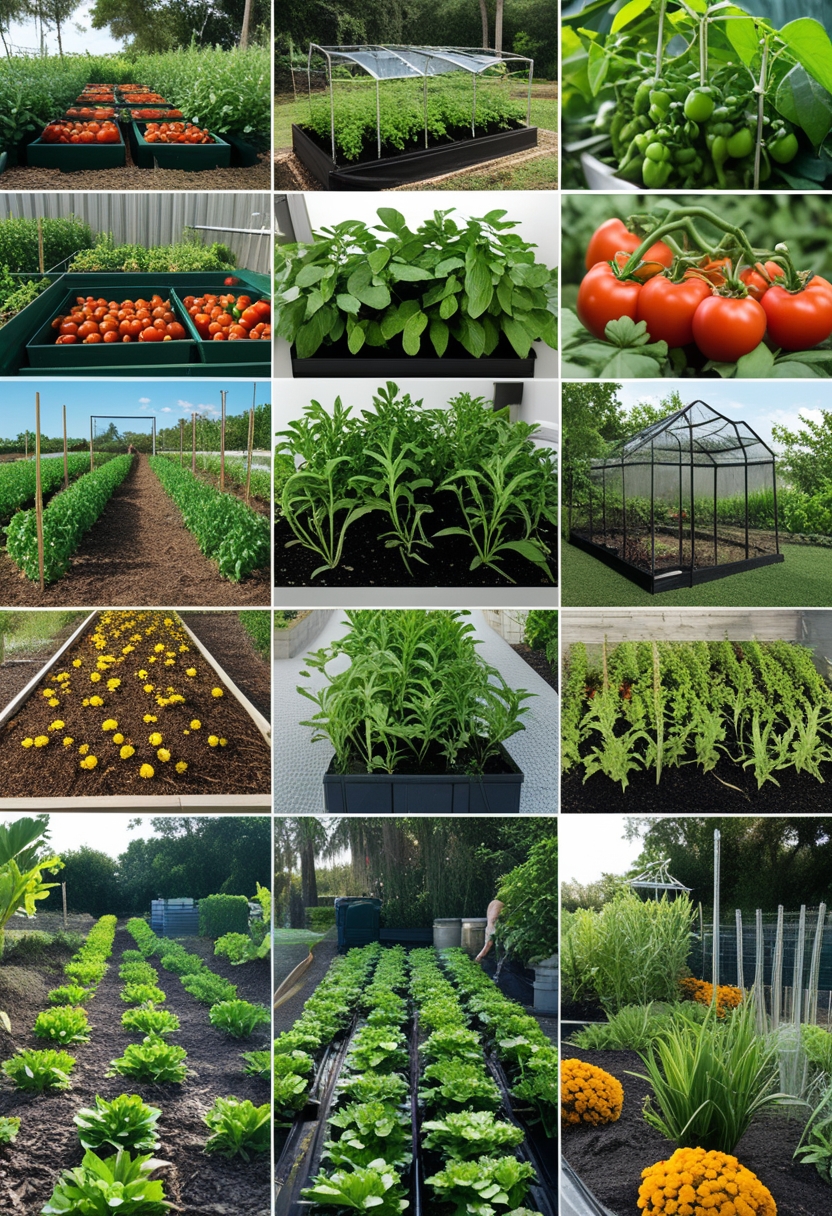
Across the tips, you will find ways to pick heat-tolerant varieties, build raised beds, manage irrigation, protect plants from midsummer stress, mulch and compost effectively, and rotate crops to keep soil healthy. Use these ideas to shape a garden that fits your yard, climate zone, and time available.
1) Choose heat-tolerant tomato varieties like ‘Solar Fire’ and ‘Heatwave II’
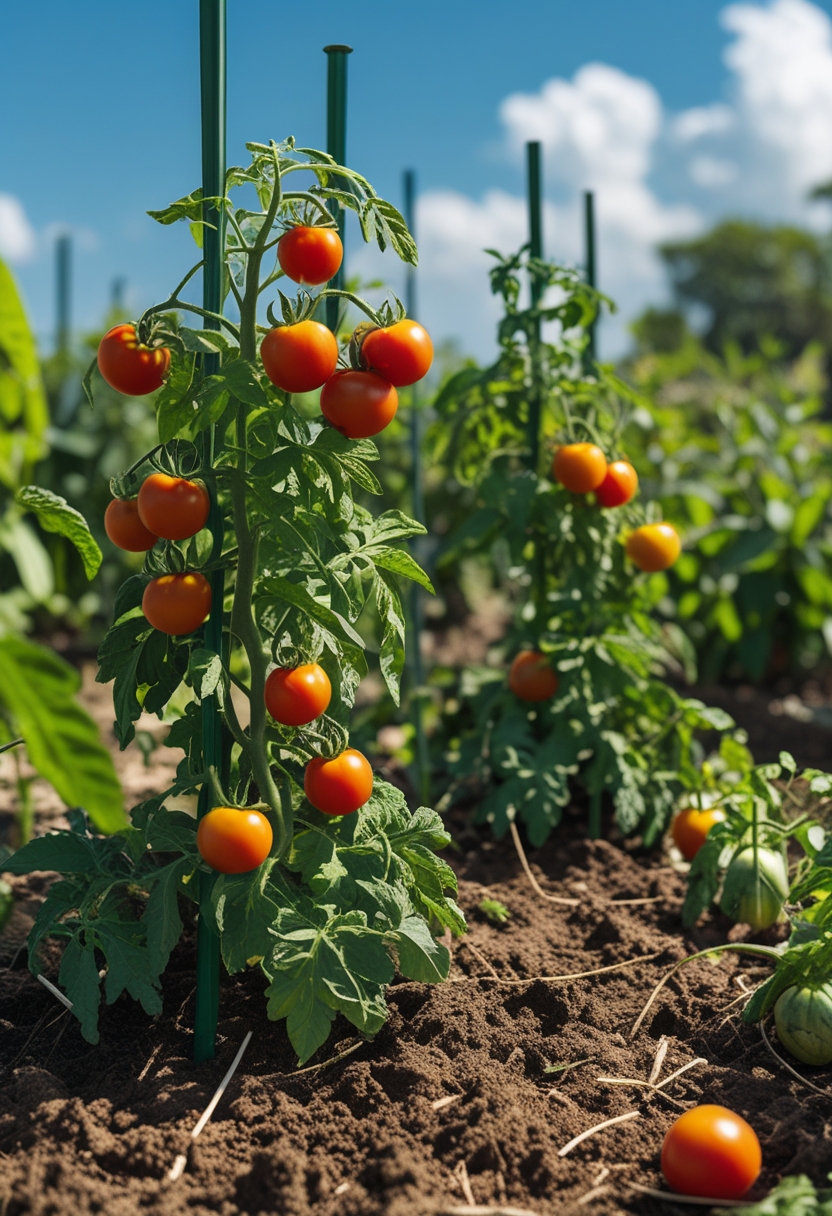
Pick tomato varieties bred to set fruit in high heat. Solar Fire and Heatwave II resist blossom drop and keep producing when temperatures climb.
Plant them in full sun with afternoon shade cloth if temps exceed 95°F. Water deeply and mulch to keep roots cool and soil moist.
You’ll get more reliable crops during Florida’s hot months by using these heat-tolerant types.
2) Install 4’x8′ cedar raised beds filled with amended sandy loam
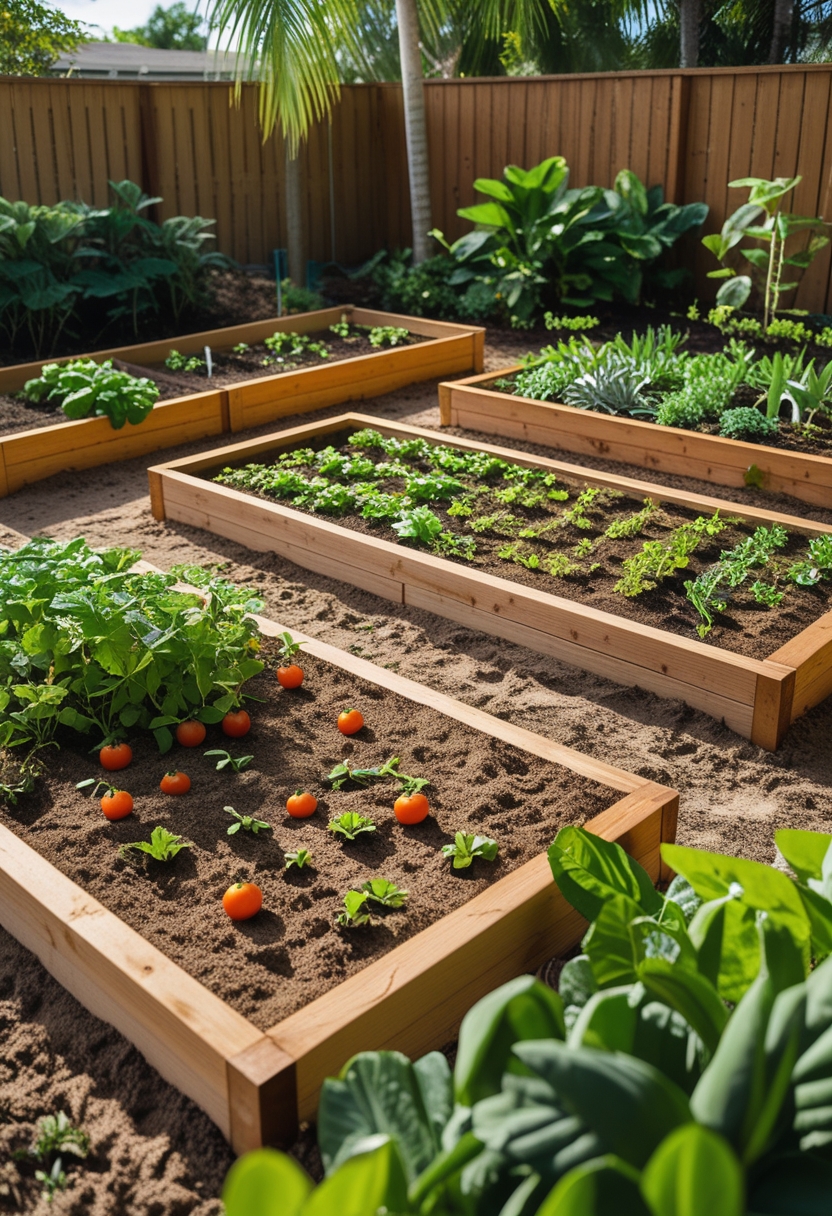
Build 4’x8′ cedar beds for long life and natural rot resistance. You get good depth for roots and better drainage than flat ground.
Fill beds with sandy loam mixed with compost and well-rotted manure to boost nutrients and water retention. Turn the mix lightly before planting so roots find loose, fertile soil.
3) Use drip irrigation with a stainless-steel pressure regulator and 30 PSI emitter tubing
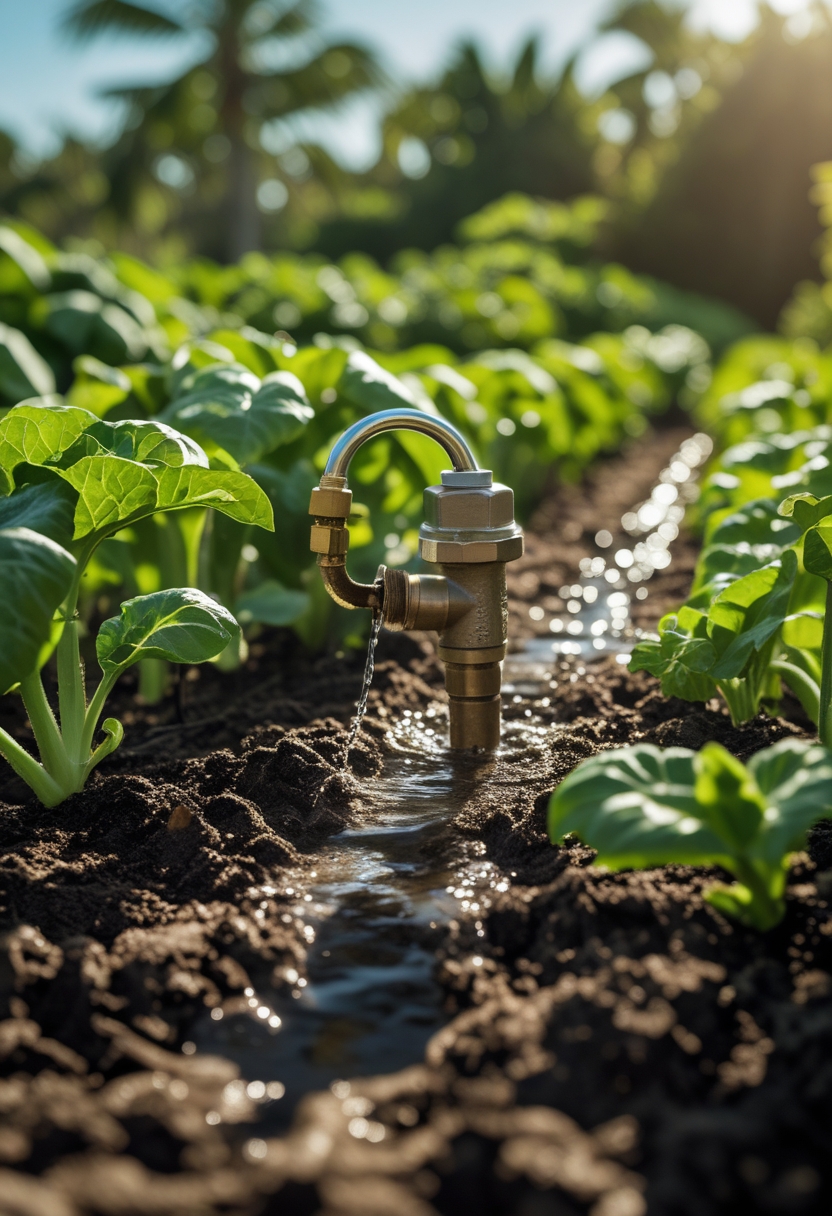
Use drip irrigation to deliver water right to plant roots and cut waste. A stainless-steel pressure regulator keeps pressure steady and lasts longer in humid Florida conditions.
Pick 30 PSI emitter tubing for consistent flow and to match common emitters. Check tubing and regulator for clogs and damage each season to keep your system working.
4) Plant Florida-friendly basil cultivars such as ‘Thai Sweet’ and ‘Genovese’ in summer
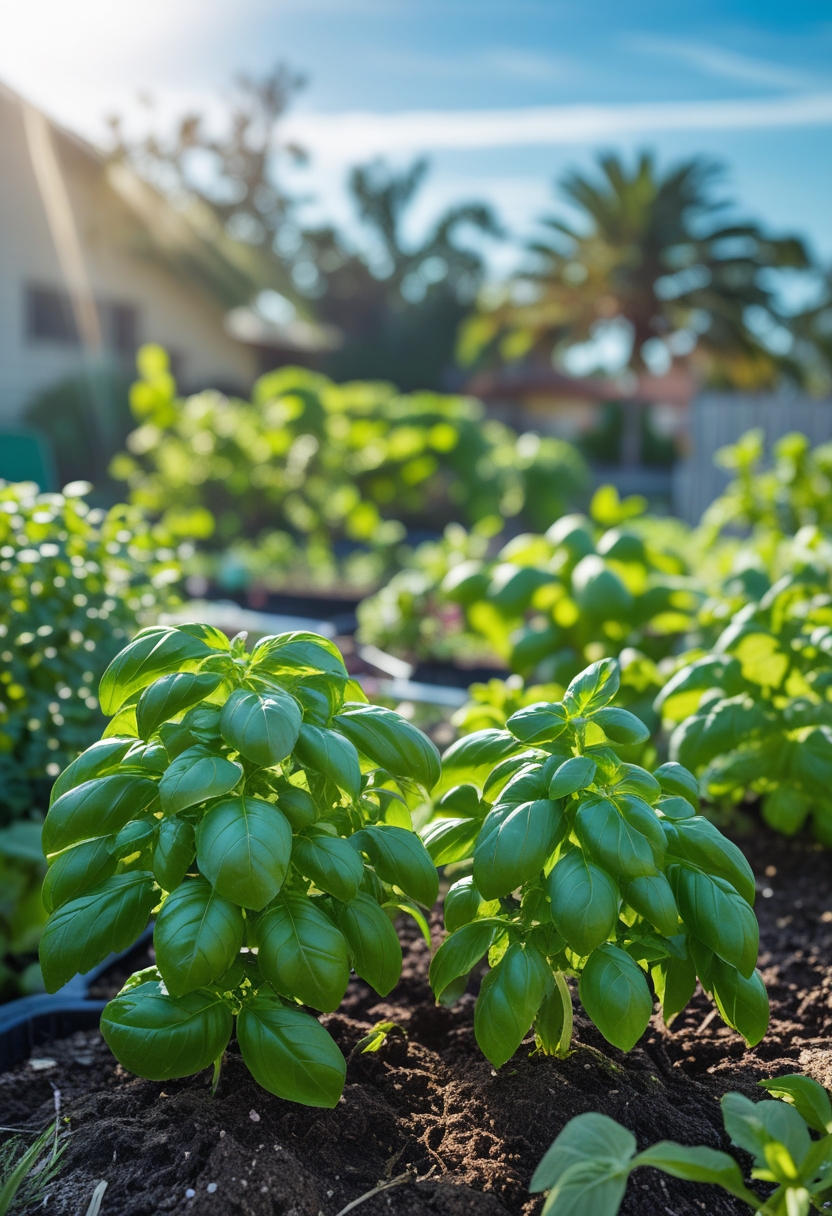
Choose heat-tolerant types like Thai Sweet and Genovese so your basil keeps producing in hot, humid weather. Plant in full sun with well-drained soil and mulch to retain moisture. Pinch flower buds and harvest leaves regularly to encourage bushy growth and prevent bolting. Check plants often for pests and remove affected leaves by hand to keep flavors clean.
5) Create shade with 40% shade cloth frames for midsummer transplants
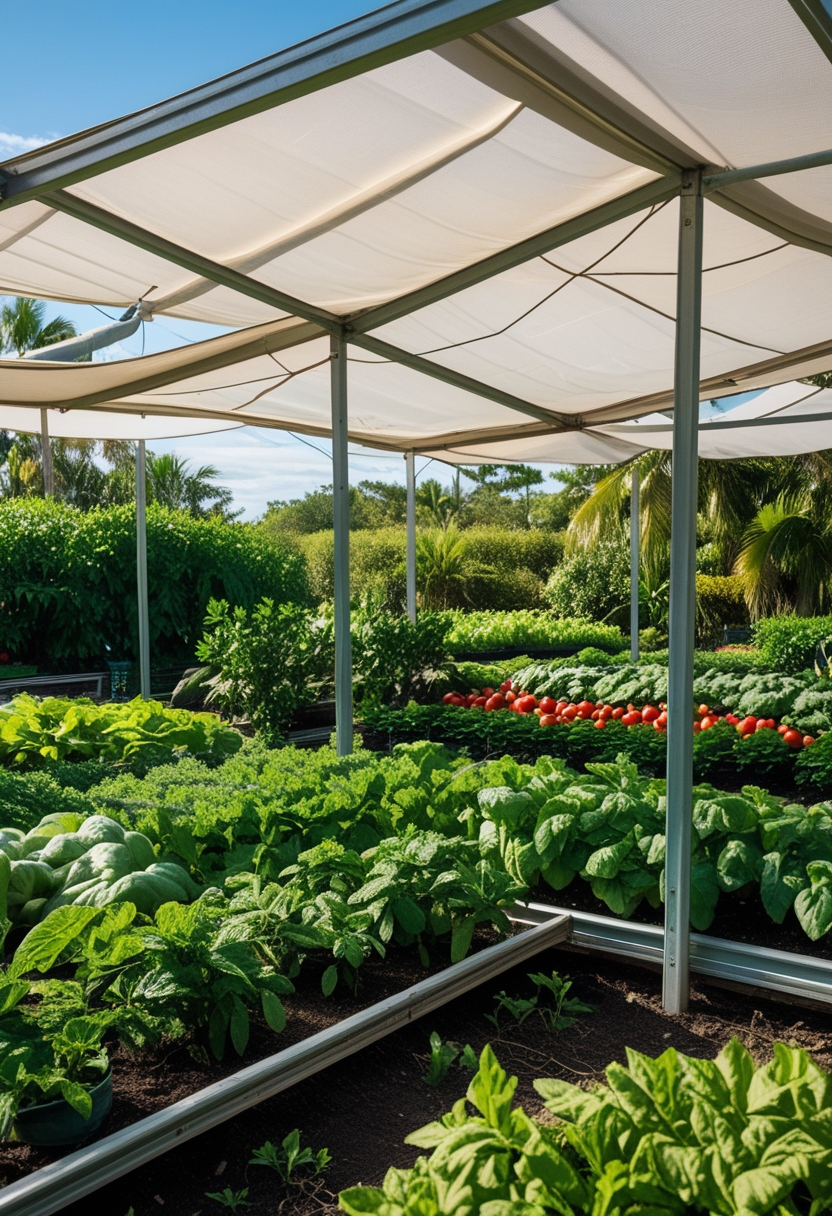
Use simple A-frame or hoop frames covered with 40% shade cloth to protect young transplants from Florida’s intense midsummer sun. The cloth cuts heat without blocking too much light, so seedlings keep growing.
Place frames over beds in late morning and remove in cooler hours to improve hardening. Secure edges to prevent wind lift and check soil moisture more often under shade.
6) Grow collards and malabar spinach as reliable warm-season leafy greens
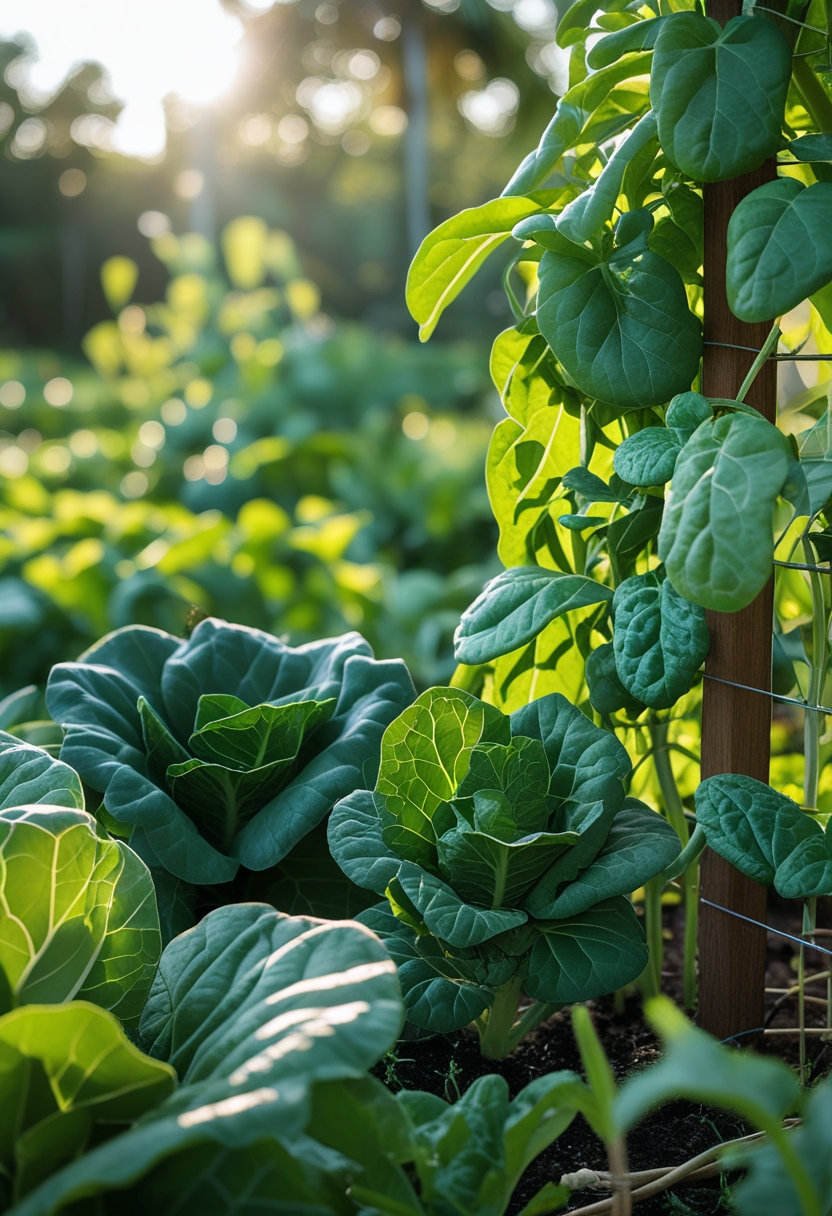
You can count on collards and Malabar spinach for summer greens when true spinach bolts.
Collards handle heat and resist pests, giving steady harvests of sturdy leaves.
Malabar spinach climbs and produces tender, succulent leaves through hot months.
Plant both in full sun with regular watering for best growth.
7) Mulch with 3 inches of pine straw to retain moisture and cool roots
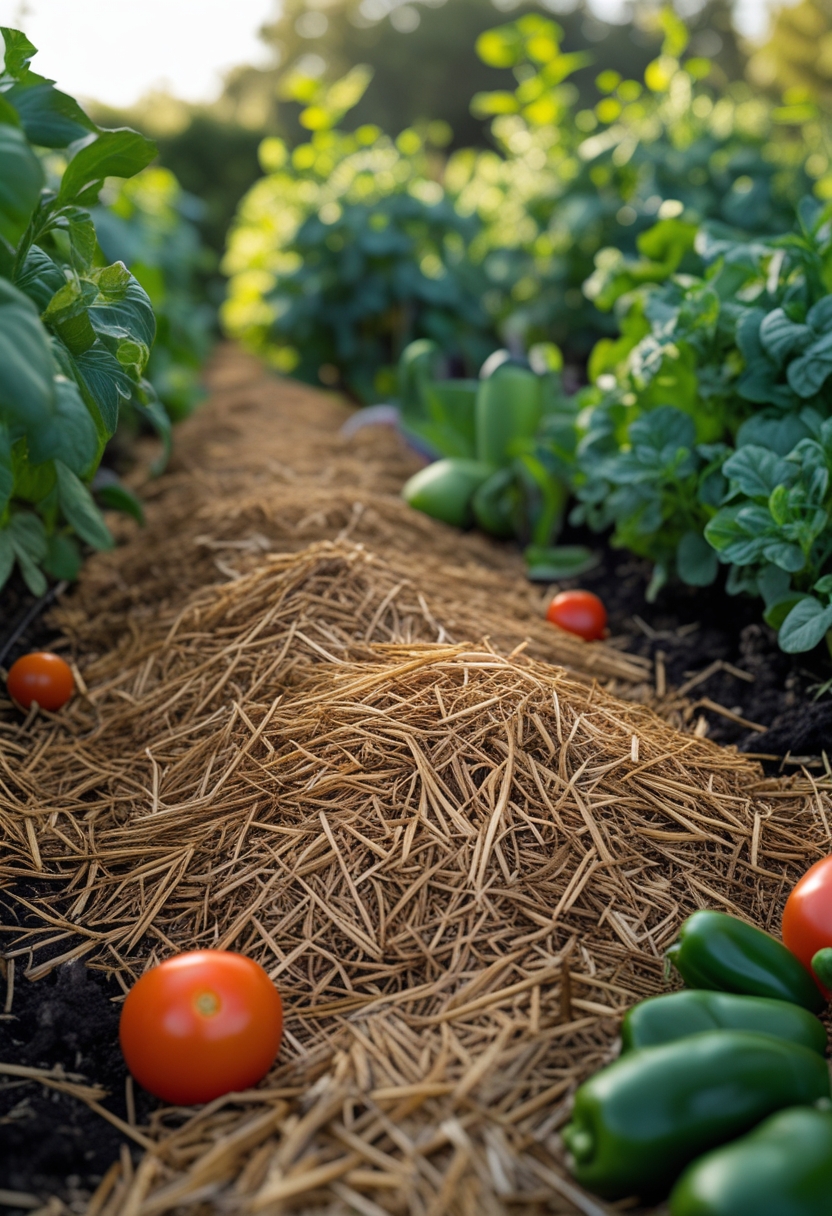
Spread a 3-inch layer of pine straw around your vegetables to hold soil moisture and lower root temperatures.
Keep mulch a few inches away from stems to prevent rot and pests.
Pine straw breaks down slowly, so you won’t need to replace it each season.
It also helps suppress weeds and gives beds a neat, natural look.
8) Set up a 3-bin compost system to produce rich, fast-acting compost
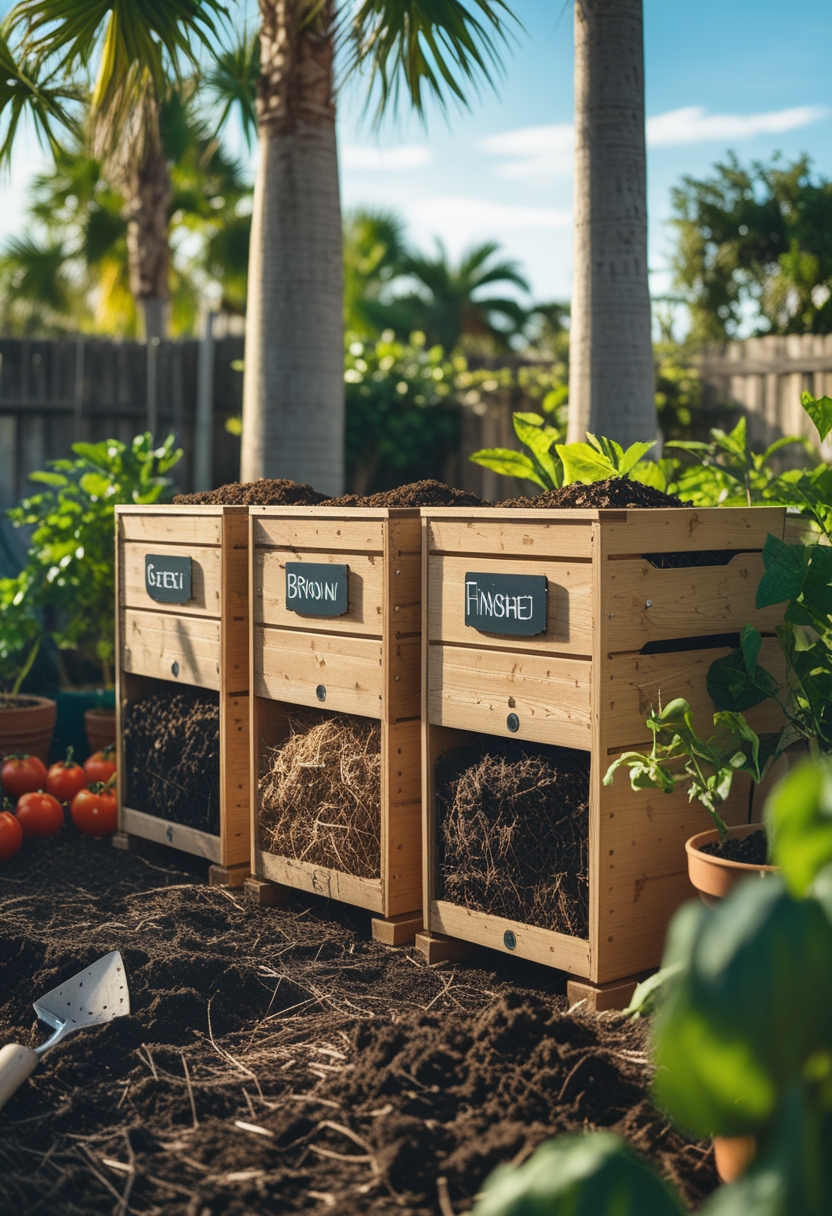
A three-bin system gives you space to compost, cure, and store finished material.
Keep one bin for fresh greens and browns, turn into the next for active decomposition, and move to the third to cure.
Turn the active pile weekly to speed breakdown and keep it moist but not soggy.
Use the finished compost on beds and containers to boost soil structure and nutrients.
9) Rotate crops using a 3-year plan: solanaceae → brassicas → cucurbits/legumes
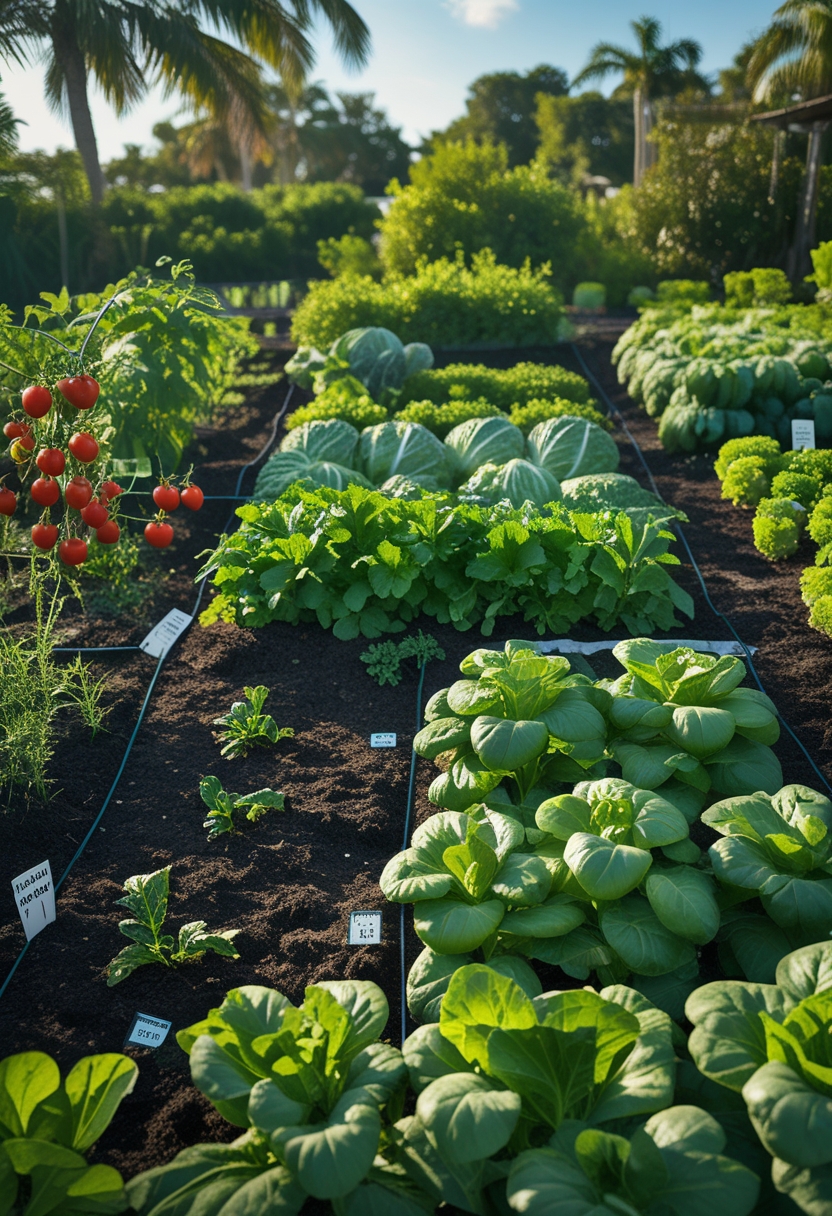
Rotate by plant family each year to cut pests and disease buildup in Florida’s warm climate.
Year 1: plant solanaceae (tomatoes, peppers, eggplant). Year 2: follow with brassicas (cabbage, broccoli). Year 3: use cucurbits or legumes (squash, beans).
Legumes add nitrogen to help the next solanaceae crop. Keep records of bed history to avoid repeats and spot problems early.
