
Gardening in Central Florida gives you a long growing season and many chances to harvest fresh vegetables all year. You can grow heat‑tolerant tomatoes, winter greens, sweet potatoes, peppers, beans, and onions successfully if you match varieties and timing to the local climate and soil. This article shows which crops and practices work best for Central Florida so you spend less time guessing and more time harvesting.
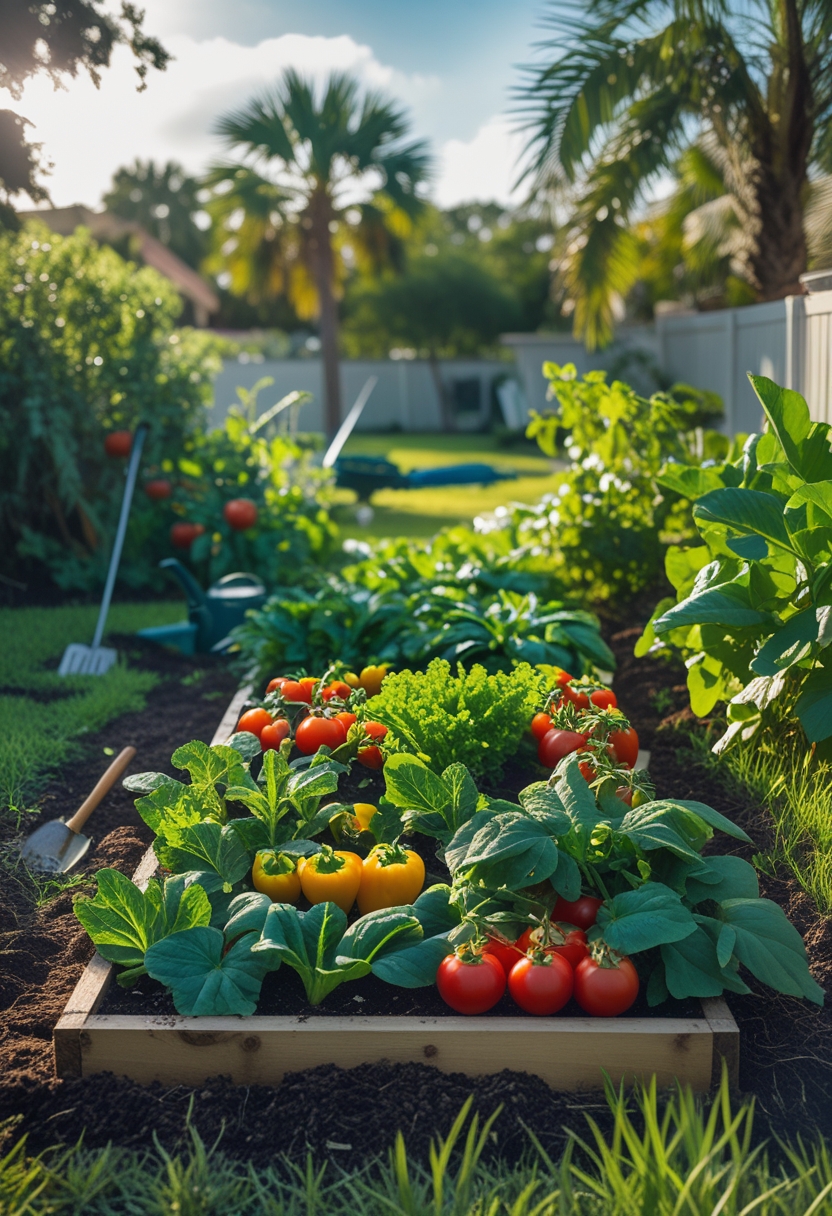
You will learn practical steps for testing and improving soil, building raised beds, choosing varieties that handle heat and short days, and using mulch and pest management to protect your plants. Follow the guidance here and you can plan a productive, low‑stress vegetable garden tailored to Central Florida conditions.
1) Soil Testing and Amendment (UF/IFAS recommendations)
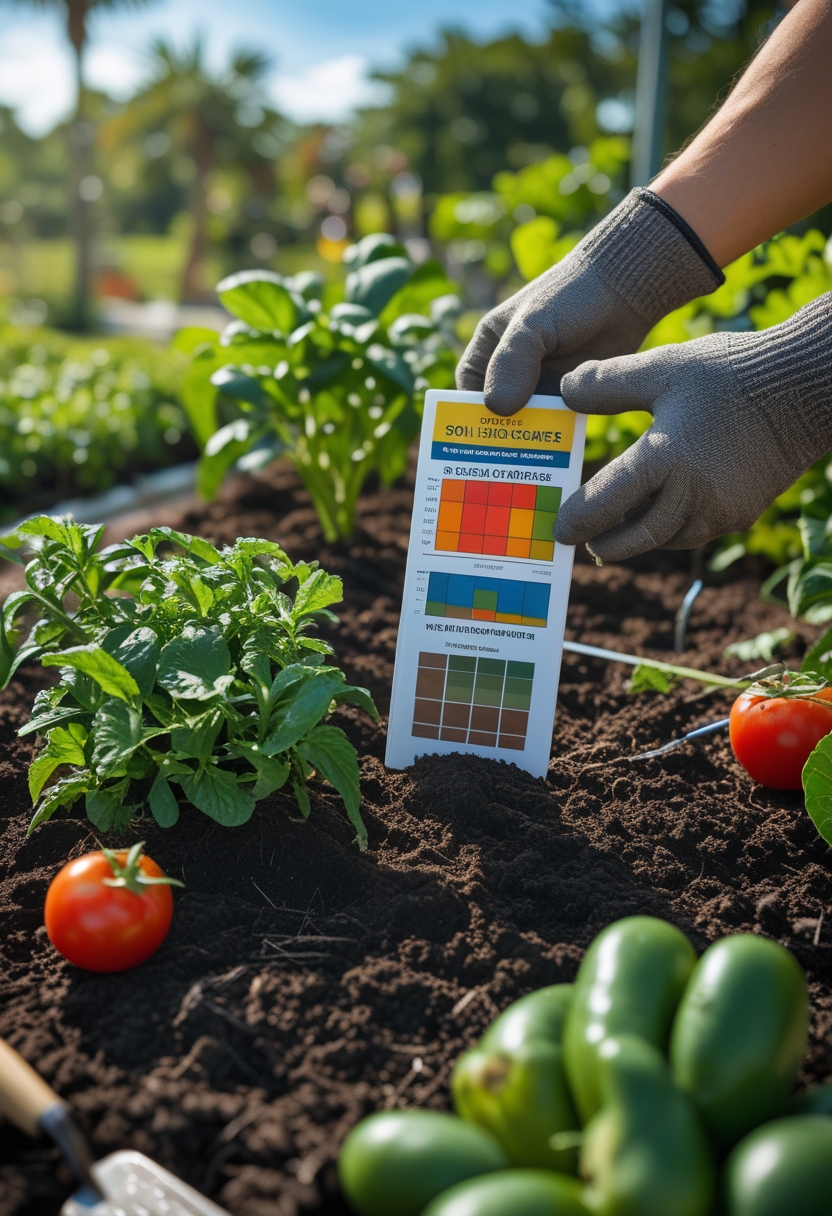
You should test your soil through UF/IFAS or a lab they recognize to get fertilizer and lime recommendations for Central Florida.
Collect samples from several spots, mix them, and follow the SL136 form instructions for accurate results.
Use the report to add only the nutrients and lime shown as needed.
Amend gradually and retest every 1–2 years to track changes.
2) Raised Beds with 8–12″ of amended loam
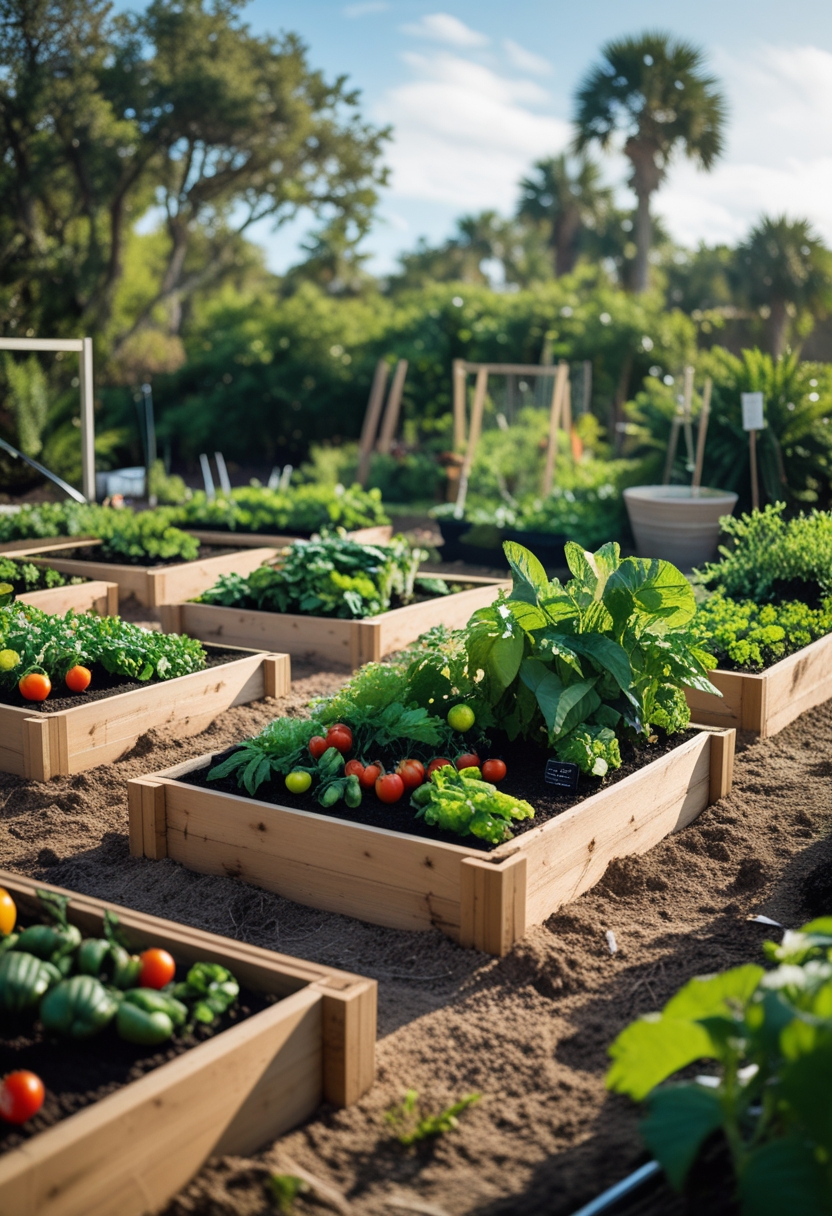
Use raised beds filled with 8–12 inches of loam mixed with compost or coconut coir to improve drainage and fertility. You’ll get warmer soil and easier weeding, which helps plants establish faster.
Keep beds at least 12 inches deep for heavy feeders or long-term use. Top up compost yearly and check pH so crops get steady nutrients.
3) Heat-tolerant tomato varieties: ‘Solar Fire’
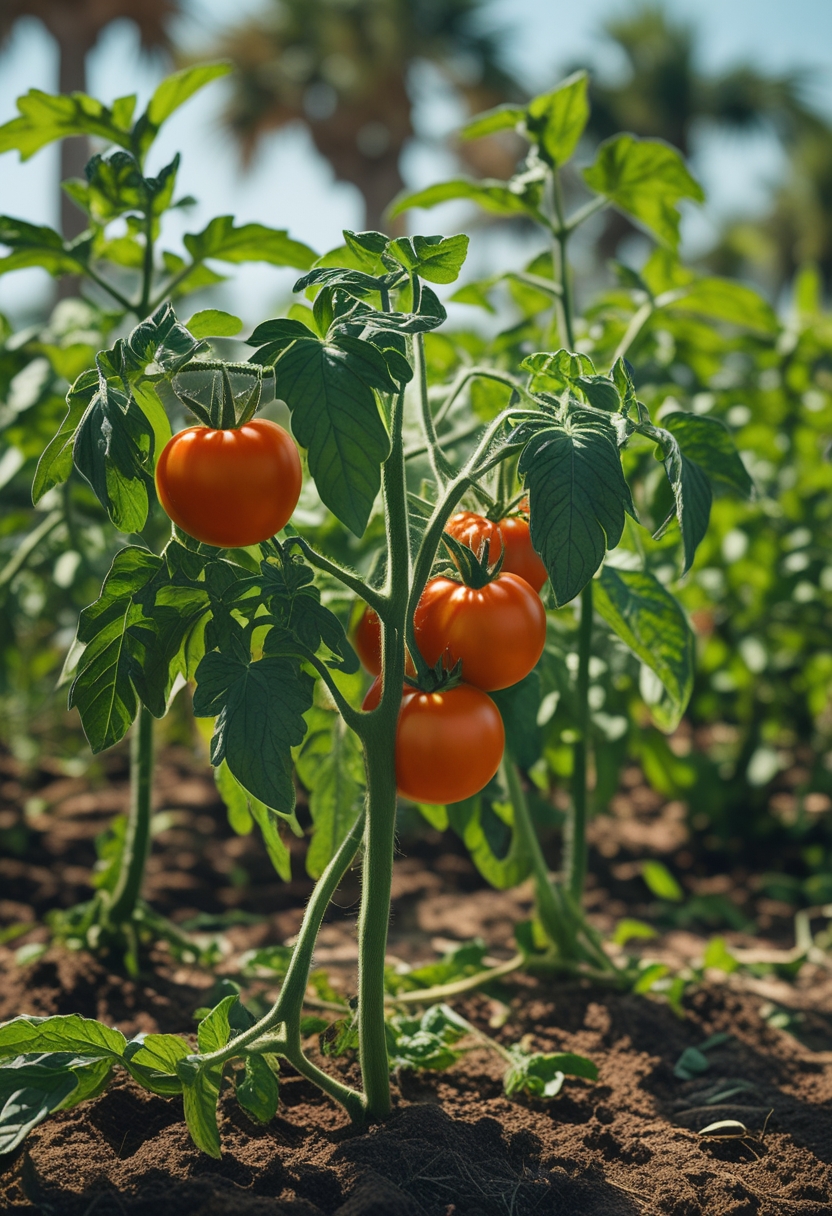
You can rely on Solar Fire when Central Florida heat spikes.
This hybrid was bred for hot, humid conditions and holds fruit set better than many varieties.
Plant Solar Fire in full sun with regular watering and mulch to keep roots cool.
Prune sparingly and watch for common pests; the plant tolerates heat but still needs basic care.
4) Short-day onion sets: ‘Ailsa Craig’ or ‘Texas Early’
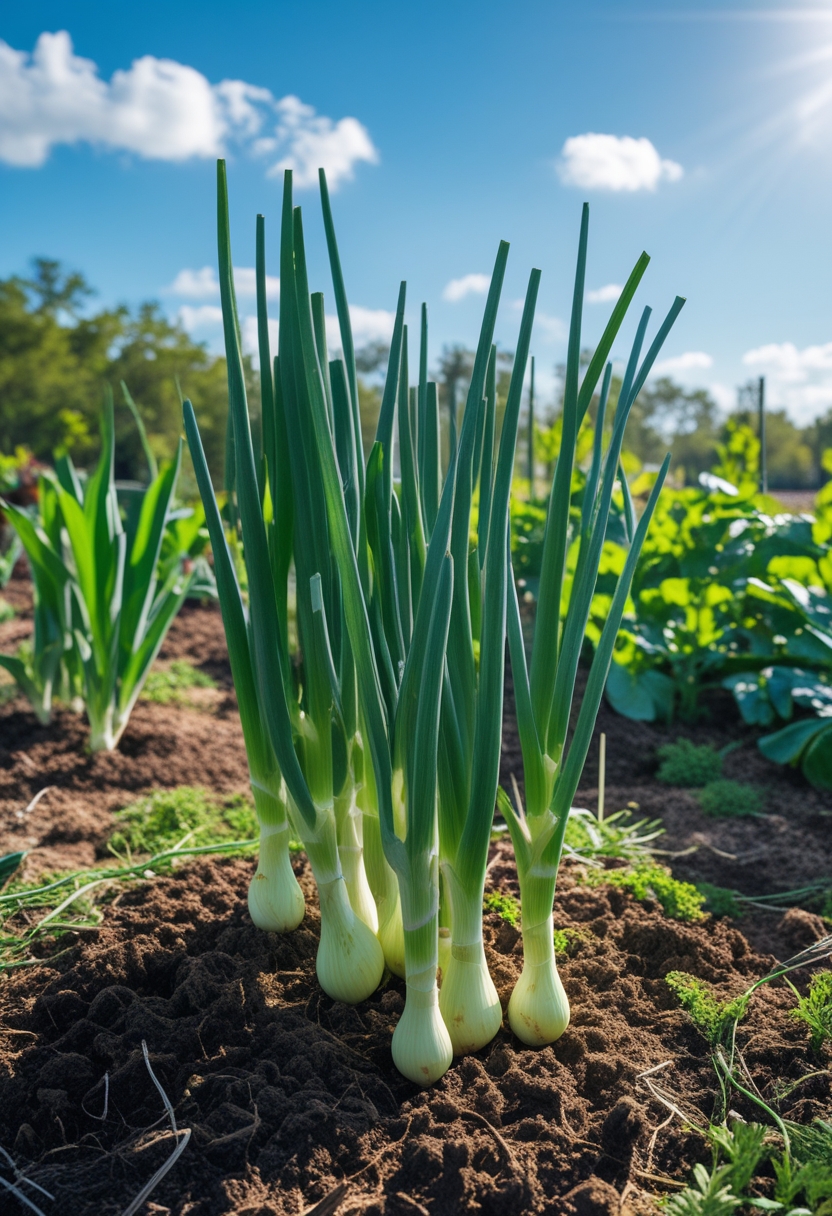
Choose short-day sets for Central Florida to get bulbs before heat slows growth. Plant in fall so onions develop as days shorten and cool weather arrives.
‘Ailsa Craig’ gives large, mild bulbs if you keep soil fertile and watered. ‘Texas Early’ matures quickly and handles local heat; space sets 4–6 inches apart for best size.
5) Winter greens: ‘Florida Broadleaf’ mustard
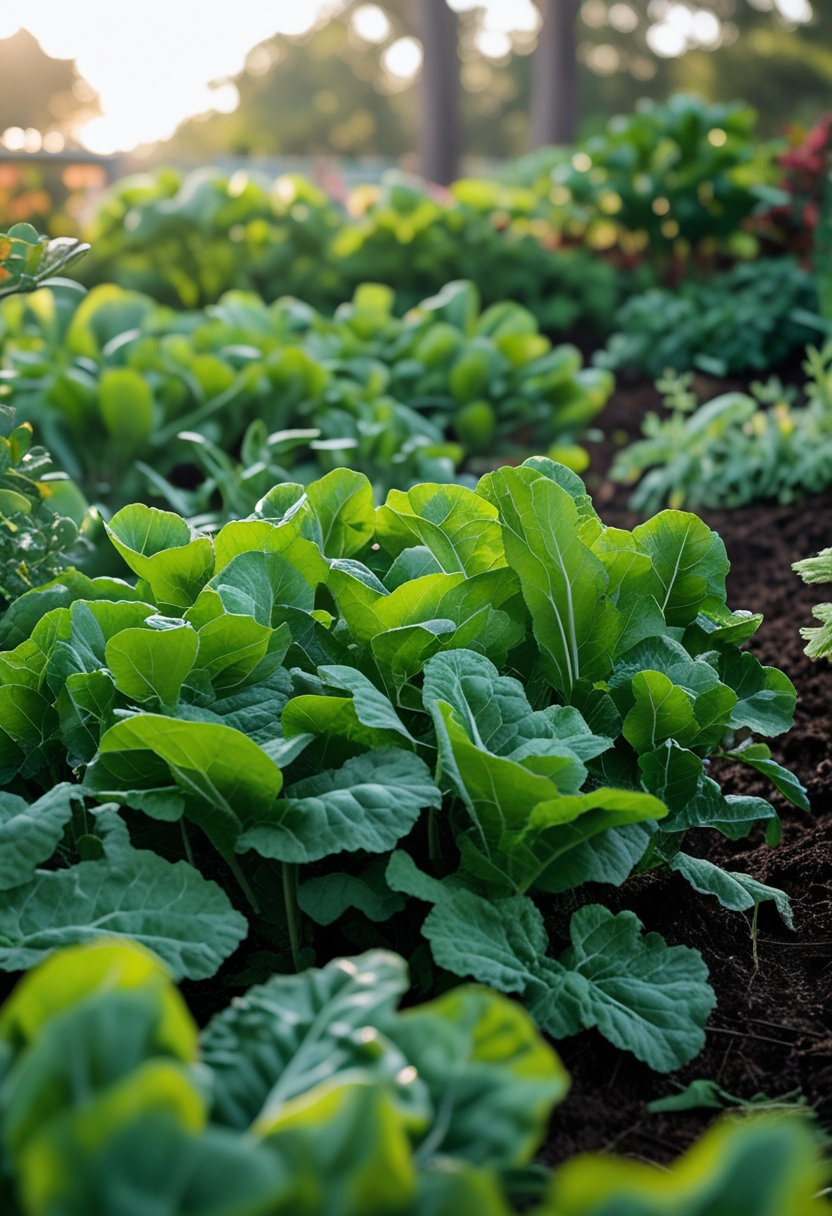
You can grow Florida Broadleaf mustard in fall and winter for tender, flavorful leaves. Plant in full sun to partial sun and expect fast growth; harvest baby leaves early or pick mature leaves for cooking. This variety tolerates heat better than many mustards, so it fits Central Florida’s mild winters and can give steady harvests with regular picking.
6) Fall/early-spring beans: ‘Provider’ bush beans
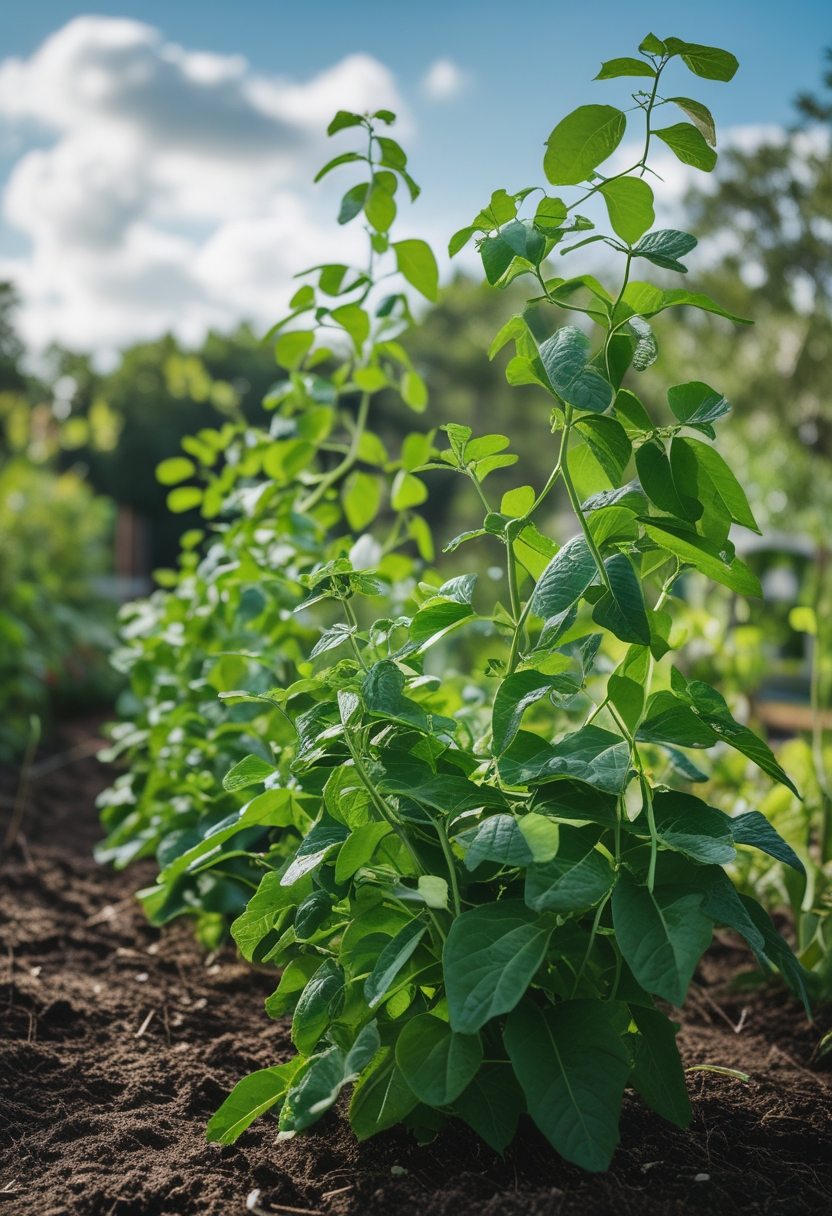
You can plant Provider bush beans in fall or early spring when soil is cool but not frozen.
They germinate well in cooler soils, give early harvests, and suit small beds or containers.
Space plants 2–3 inches apart and thin to about 6–8 inches for best yields.
Provider resists common diseases, so you get steady crops for fresh eating, freezing, or canning.
7) Sweet potatoes: ‘Beauregard’ slips
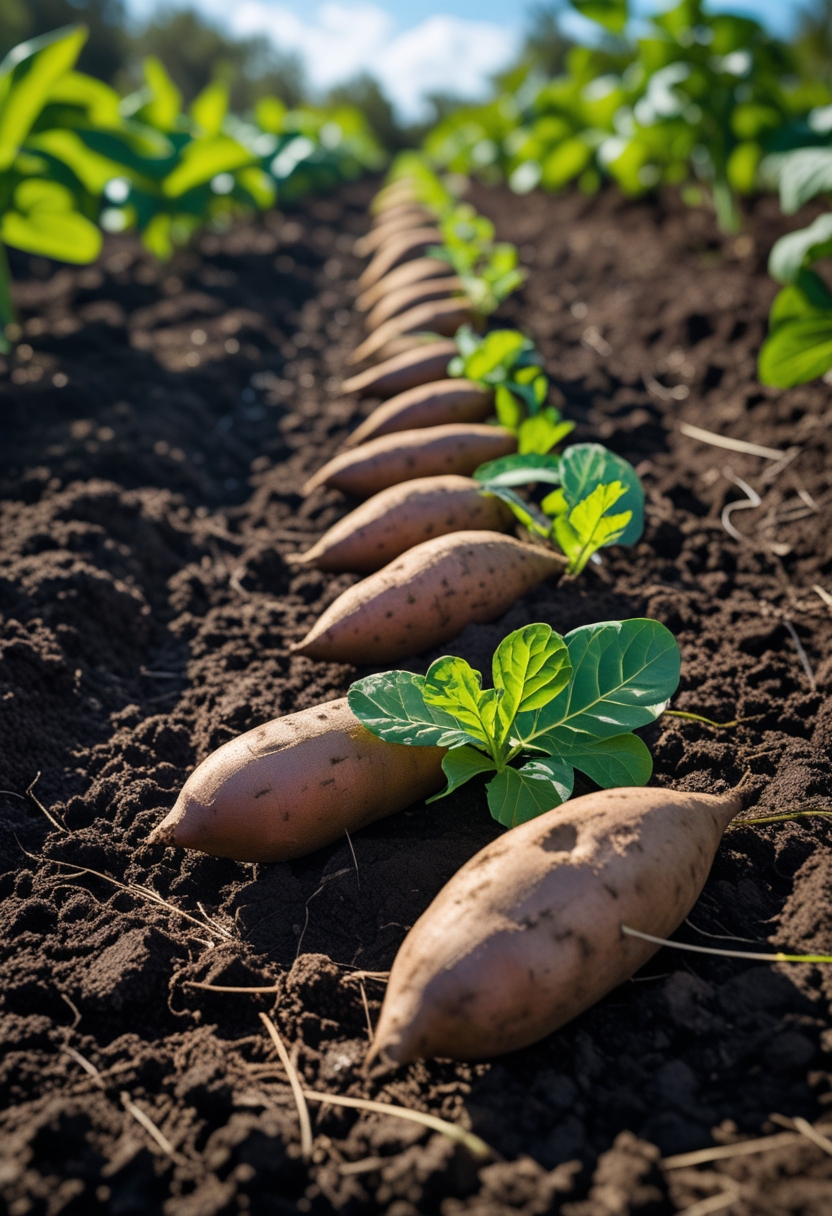
Plant Beauregard slips in warm soil after danger of frost passes, usually spring in Central Florida.
They are heat-tolerant and give high yields when you space and hill them well.
Set slips deep so leaves sit 1–2 inches above soil.
Use certified disease-free slips to avoid pests like sweet potato weevil.
8) Pepper varieties: ‘Cubanelle’ and ‘Jalapeño M’
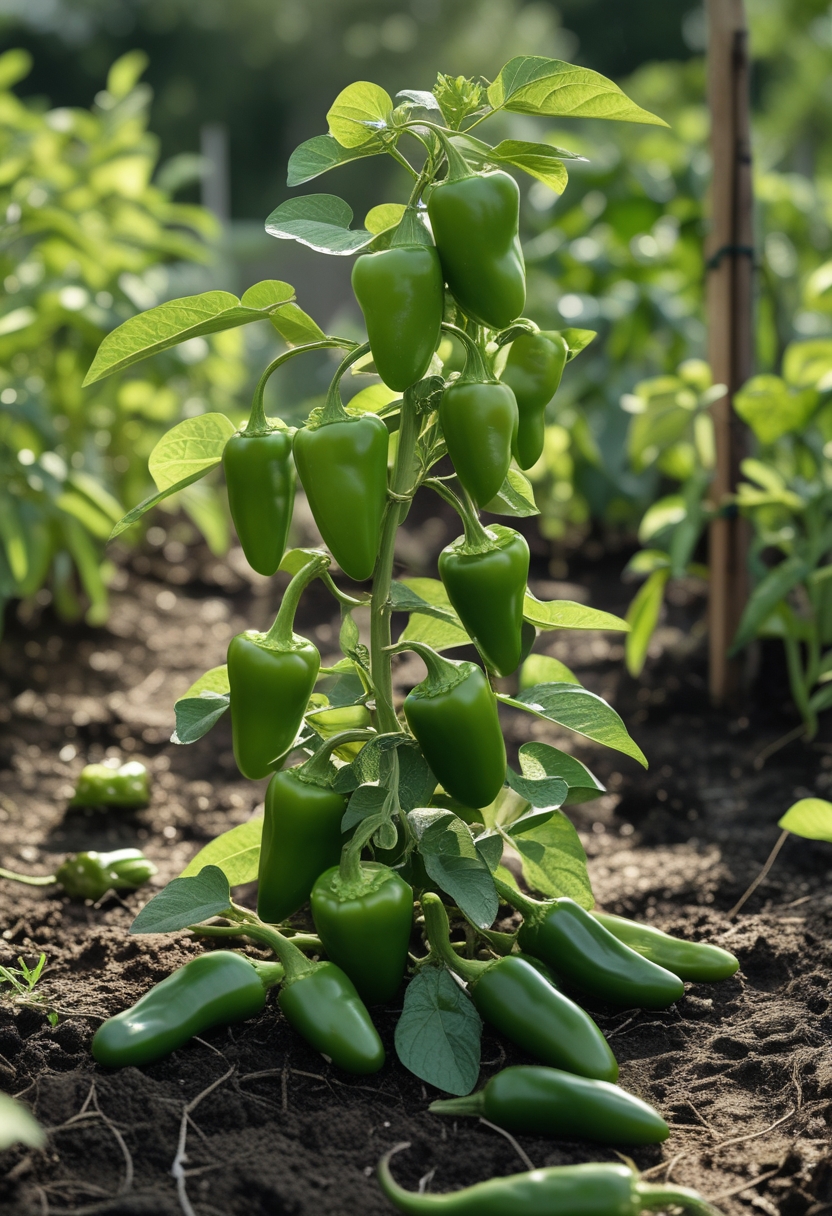
You can grow Cubanelle for sweet, thin-walled peppers that ripen well in Central Florida’s heat. Plant them in full sun and keep soil evenly moist for steady fruit set.
Jalapeño M is a reliable hot variety that handles Florida conditions and gives high yields. Space plants well and harvest regularly to encourage more peppers.
9) Mulch with pine straw or cocoa mulch for moisture control
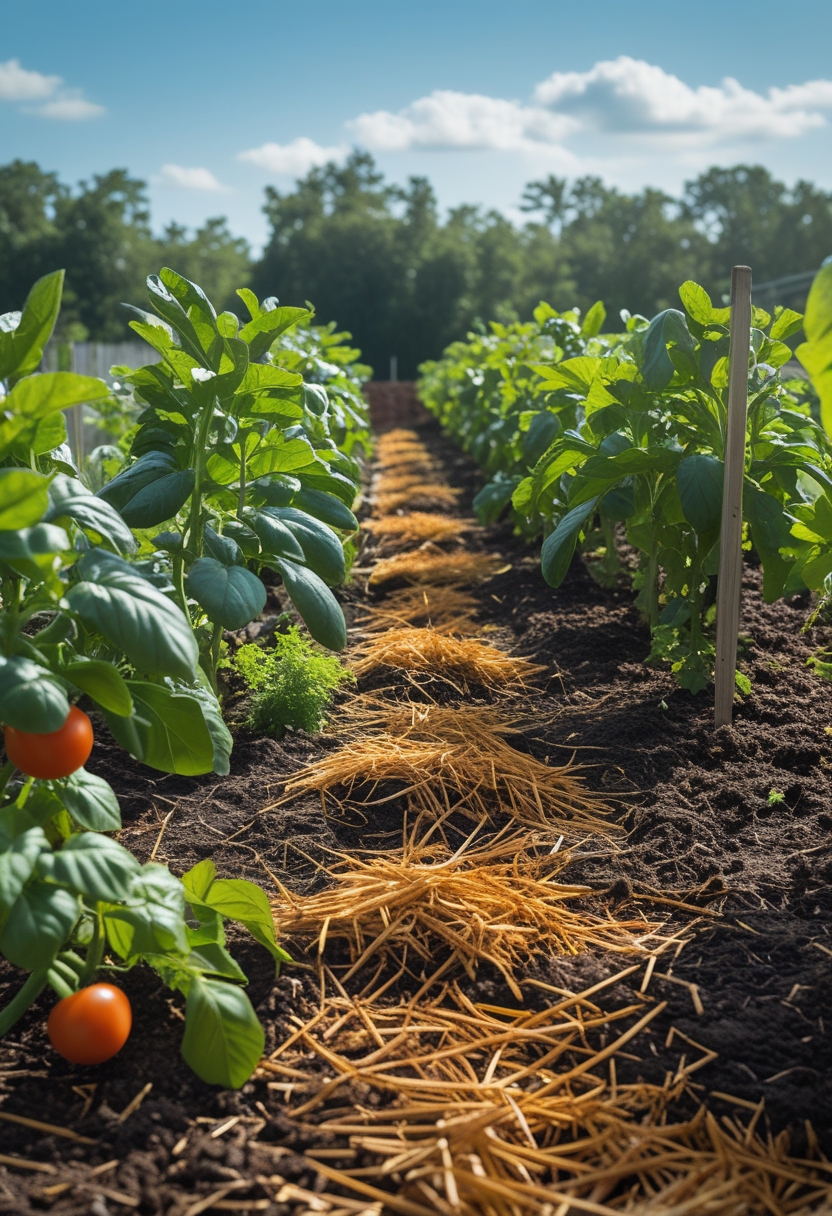
Use pine straw or cocoa mulch to keep soil moist and cut watering needs. Pine straw is light, cheap, and lets water pass through quickly. Cocoa mulch looks neat and holds moisture well, but keep pets away from it.
Spread a 2–3 inch layer around plants, leaving space at stems to prevent rot. Replenish yearly as it breaks down and helps feed the soil.
10) Integrated pest management: beneficials and neem oil
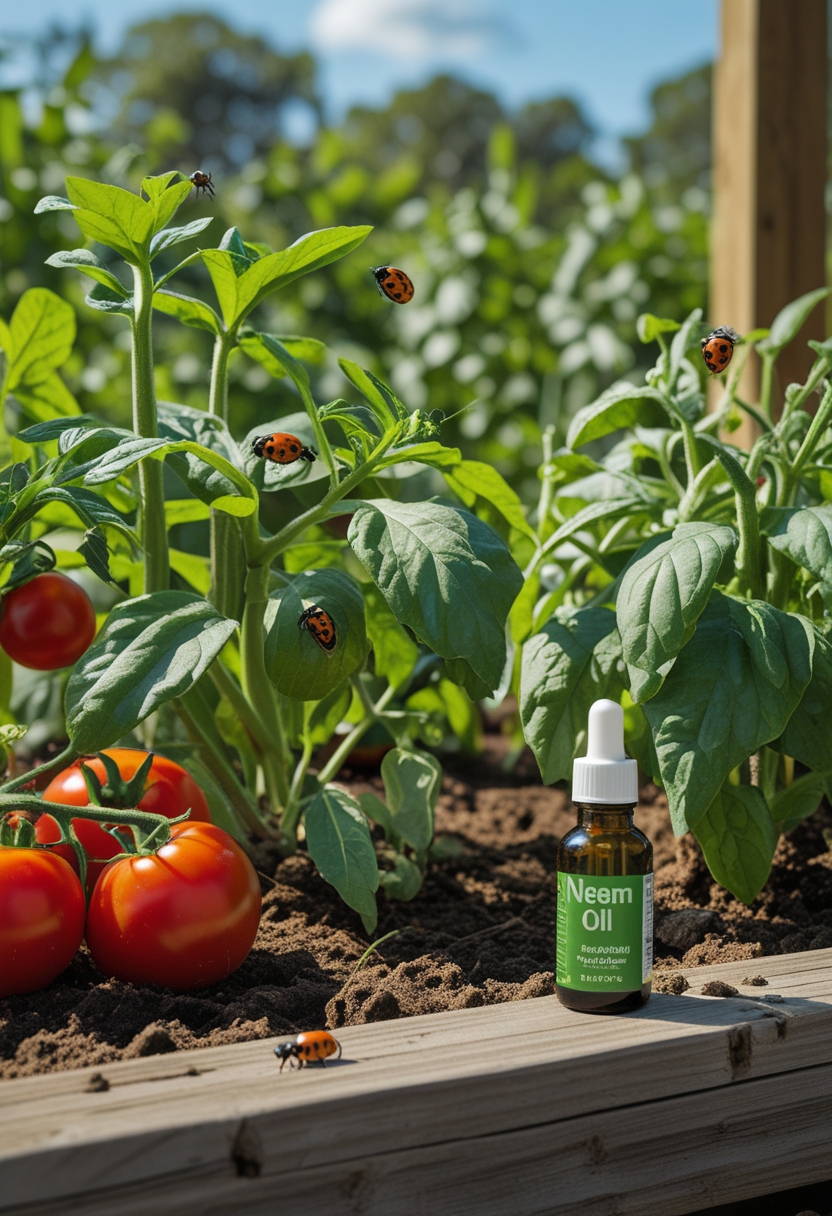
You should protect helpful insects like ladybugs, lacewings, and predatory mites by planting flowers and avoiding broad‑spectrum sprays.
Use neem oil as a targeted tool: dilute per label directions and apply at dawn or dusk to reduce harm to pollinators.
Rotate treatments and monitor pest levels so you only act when needed.
Combine cultural controls, traps, and selective sprays to keep pests below damaging levels.
