

You can turn any blank wall into a fresh, useful herb garden that saves space and brightens your home. You’ll learn simple ways to build and maintain nine different herb wall styles so you can pick the one that fits your space, skills, and cooking needs.
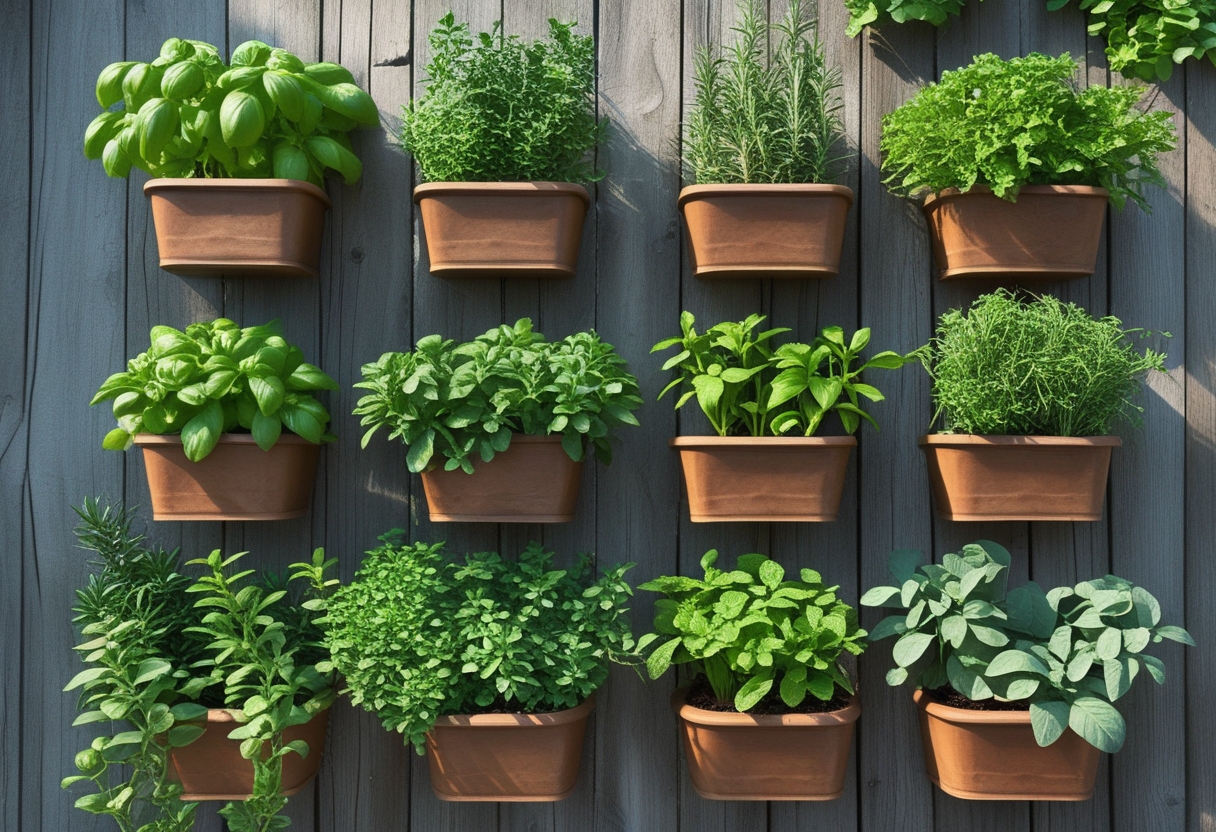
This article walks you through options from budget-friendly DIY builds to low-maintenance, tech-forward setups, so you can choose an approach that matches your time and style. Expect clear, practical ideas that help you grow healthy herbs indoors or on small outdoor walls.
1) DIY pallet vertical herb wall planter
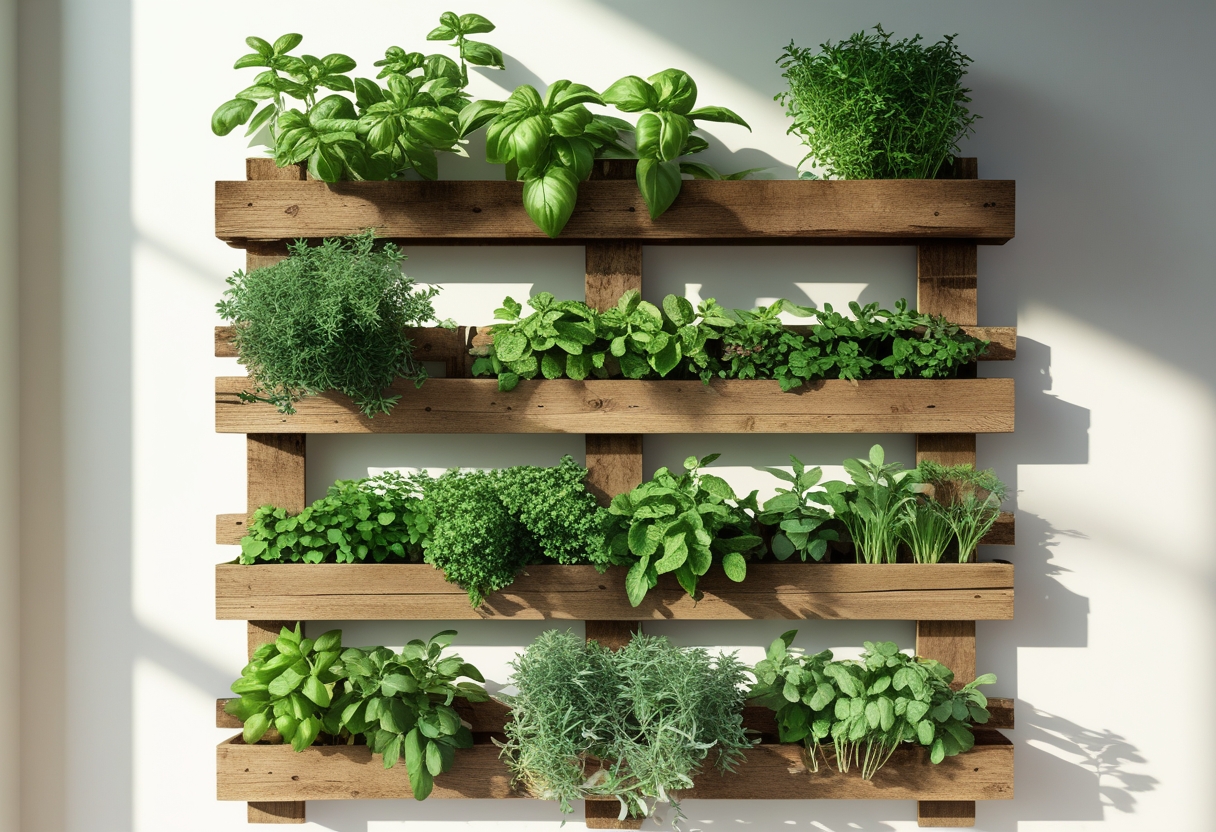
You can turn an old pallet into a space-saving herb wall with basic tools and soil. Stand it upright, line the back with landscape fabric, and fill pockets with potting mix for thyme, basil, and parsley.
Place the pallet where it gets morning sun and water from the top so moisture trickles down. Secure it to a wall or fence to keep it stable and easy to harvest.
2) Modular felt pocket herb wall (Woolly Pocket)
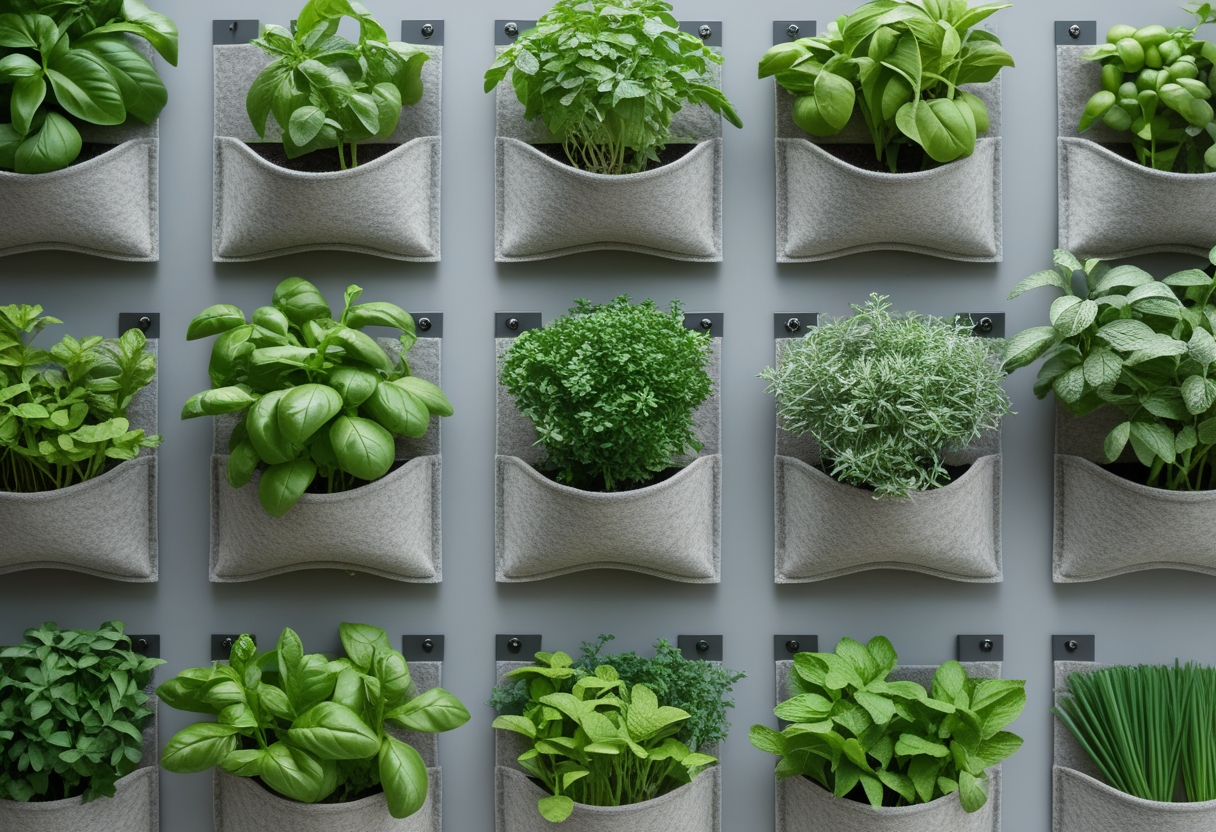
You can hang a modular felt pocket system to grow nine or more herbs on any wall.
The pockets are lightweight, breathable, and drain well, so roots stay healthy.
Installation is simple—hang like a picture and add soil and plants.
You can expand the layout later by adding more pockets to fit your space.
3) Kitchen magnetic strip herb wall with stainless steel containers
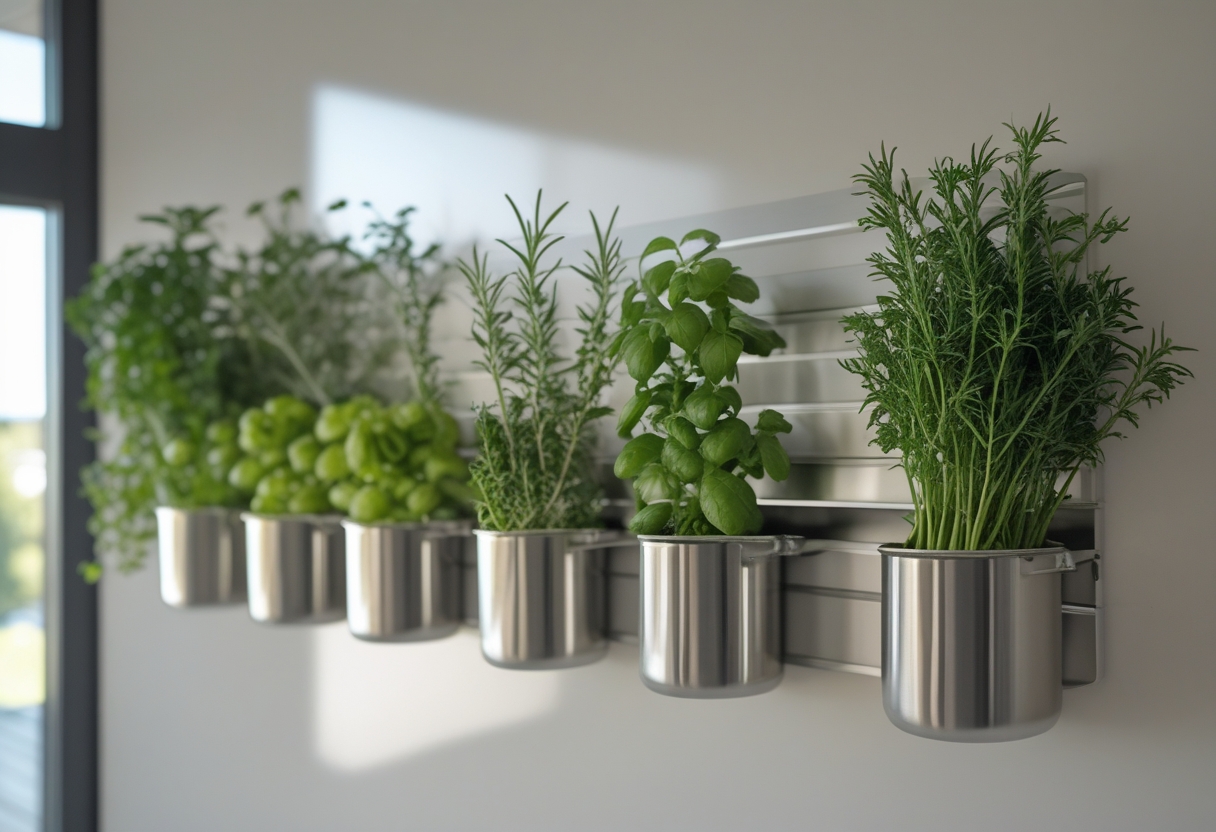
You mount a strong magnetic strip on a metal or painted wall to hold stainless steel containers.
This keeps herbs within reach and frees up counter space for cooking.
Stainless containers resist rust and clean easily, so they work well near a sink or stove.
You can rearrange jars quickly to suit recipes or light conditions.
4) Hydroponic countertop herb wall (Click & Grow Smart Garden)
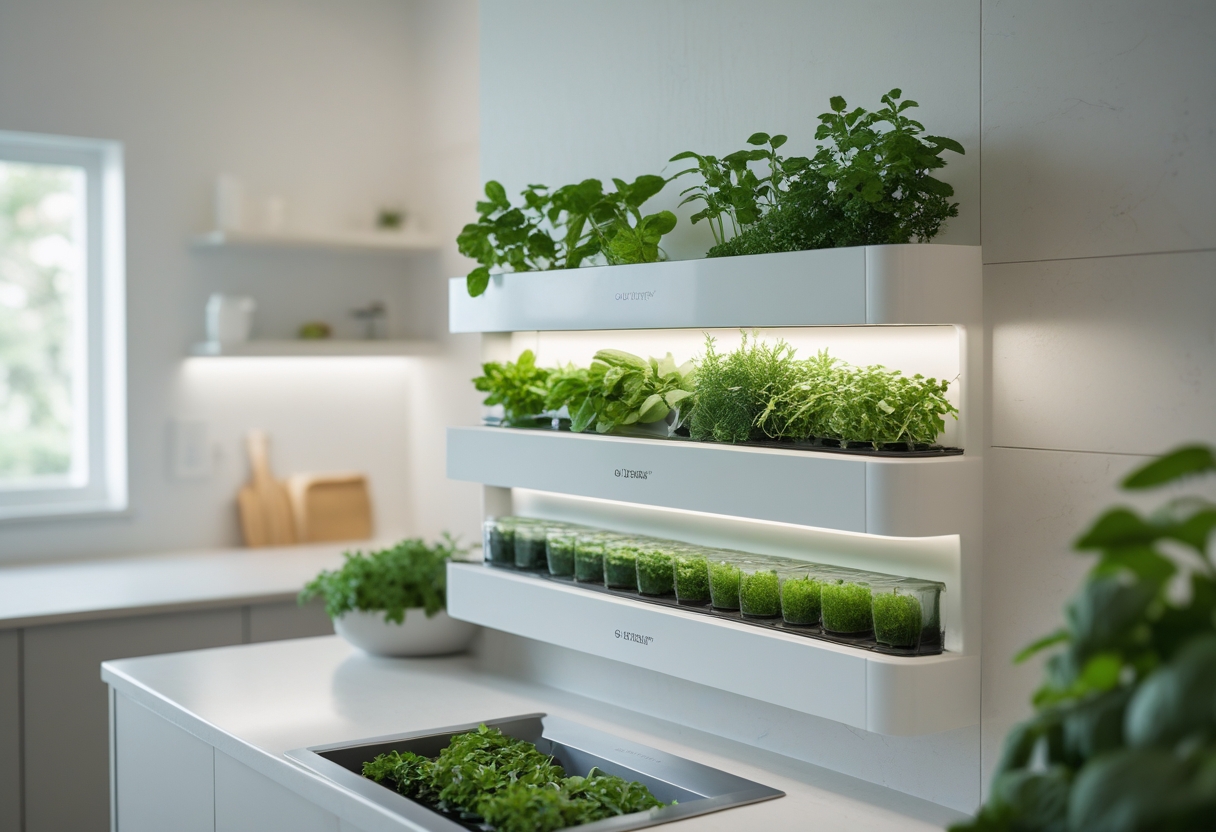
You can fit nine herbs on a compact countertop unit that uses pre-seeded pods and smart soil. The system gives steady light and water, so you spend less time on daily care.
Setup is simple: plug it in, insert pods, and let the garden run. Growth may be slower than some hydroponics, but maintenance stays low and results are reliable.
5) Stacked terracotta pocket herb wall
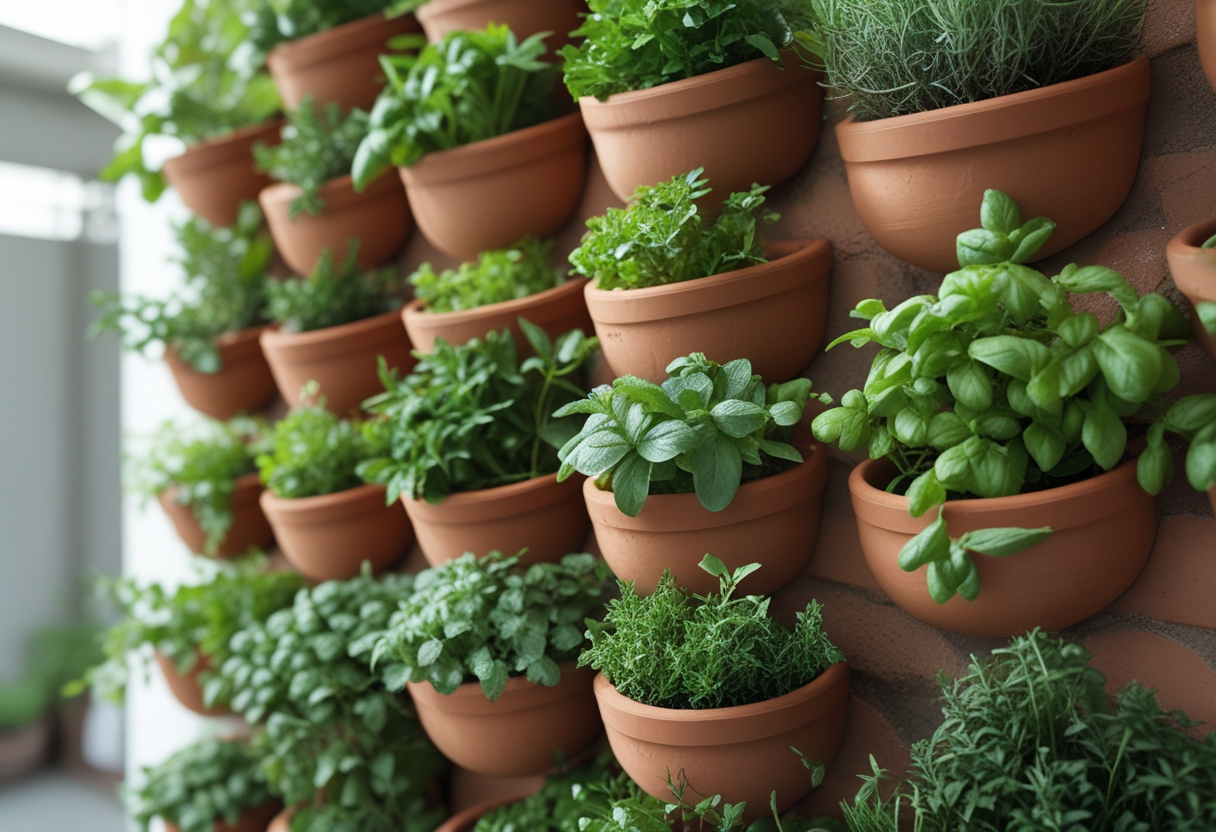
You can build a simple stacked terracotta pocket wall using clay pots of different sizes. Stack them from largest at the bottom to smallest at the top and secure with metal rods or strong adhesive.
Terracotta breathes and helps prevent overwatering, which suits many herbs. Position the wall where herbs get 4–6 hours of sun and use well-draining soil for best results.
6) Reclaimed wood frame living herb wall
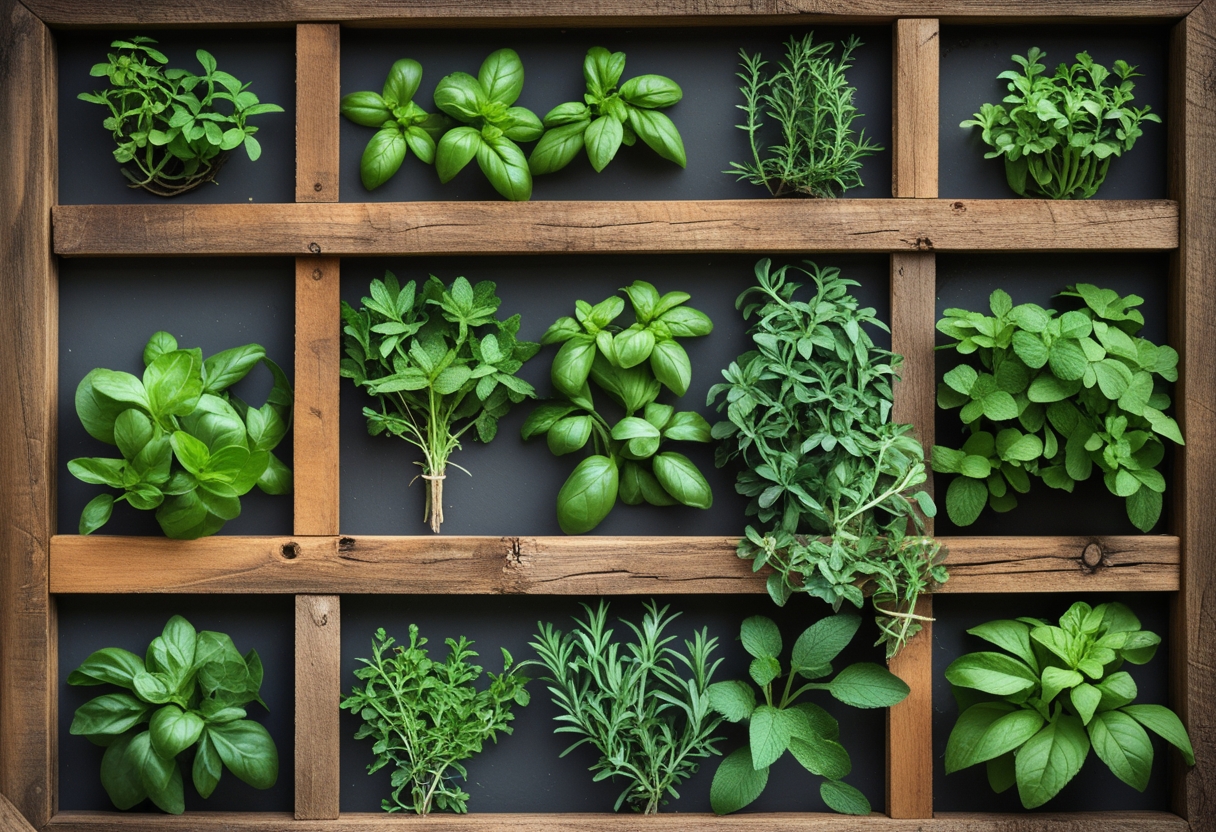
Build a simple frame from reclaimed wood to add character and save resources. You can attach small pots or a shallow trough inside the frame for soil and drainage.
Mount the frame on a sunny wall near your kitchen for easy access while cooking. Water and trim the herbs regularly to keep them healthy and prevent rot.
7) Hanging mason jar herb wall planter
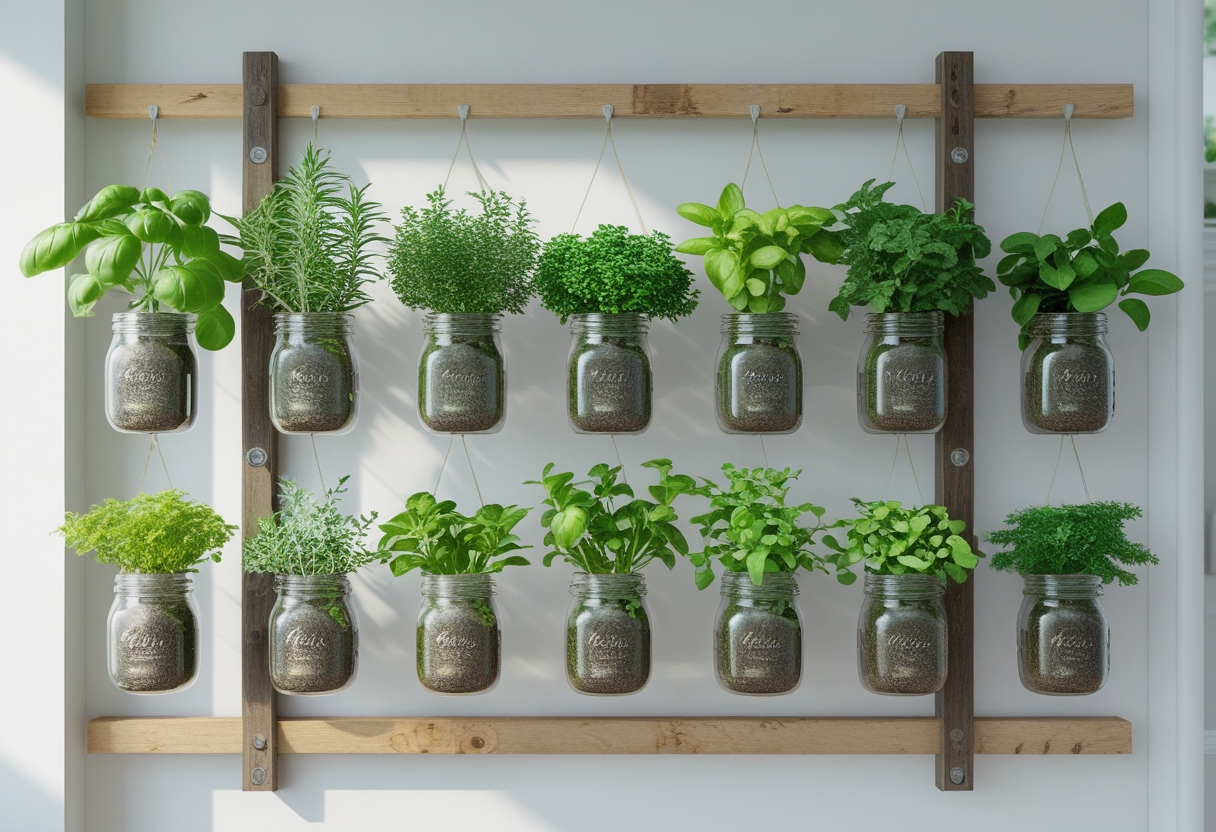
You can build a mason jar herb wall with a wooden board, hose clamps, and jars for a simple, low-cost planter. Mount jars to the board, add potting mix, and plant small herbs like basil or thyme.
This setup saves counter space and keeps herbs within reach while you cook. Water carefully to avoid leaks and choose herbs that like similar light and water.
8) Irrigated PVC pipe herb wall system
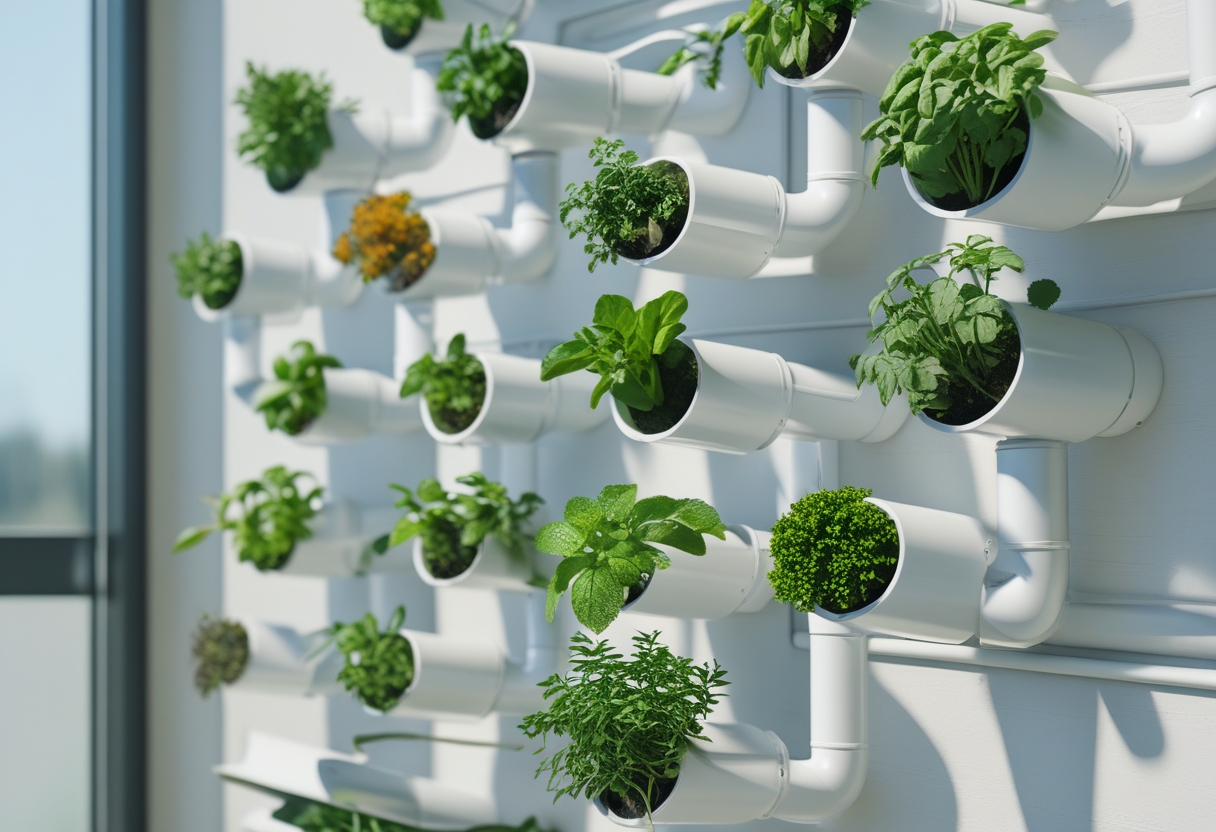
You can build a slim herb wall from PVC pipes that holds many plants in a small space. Install a simple drip line or small pump to deliver water evenly to each pocket.
Choose herbs that like similar water levels, like basil and parsley. Check flow and leaks regularly so roots stay moist but not waterlogged.
9) Succulent and herb mixed vertical frame
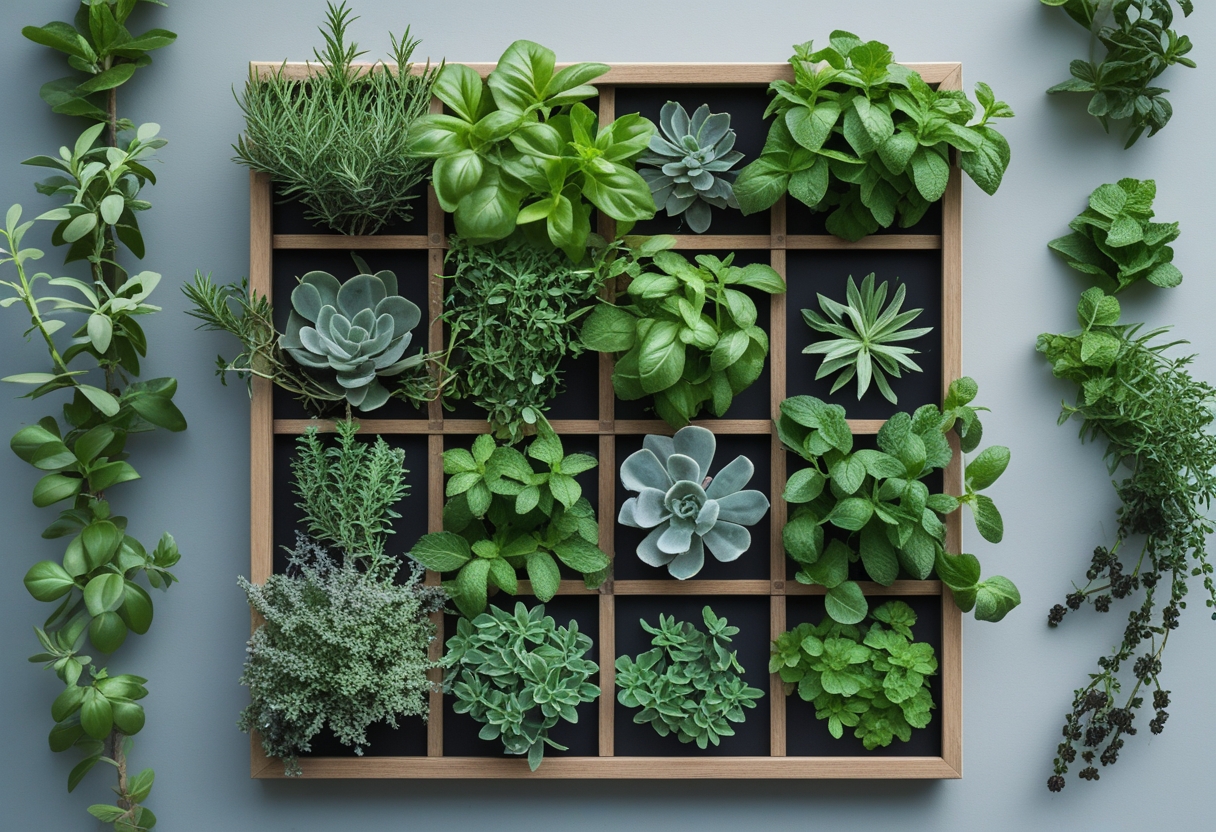
You can combine succulents and herbs in a single vertical frame to save space and add texture. Pick shallow-rooted herbs like thyme or chives and pair them with low-water succulents to match watering needs.
Mount the frame where it gets morning sun and good airflow. Water carefully—focus on the herbs’ needs and avoid overwatering the succulents.
