
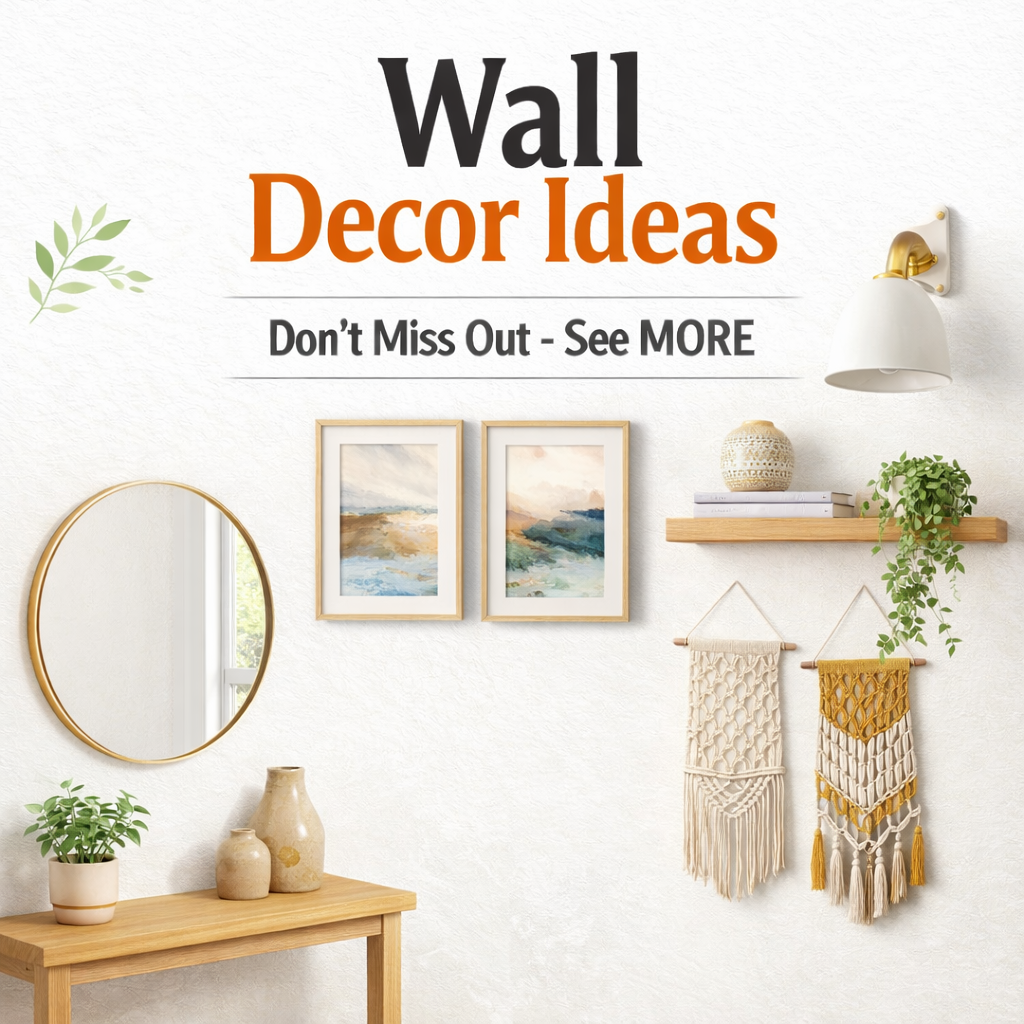
Few elements impact a room’s character as profoundly as its walls. Yet these vertical surfaces often receive minimal attention during decorating, painted in safe neutrals and left largely bare while furniture and flooring consume design budgets and attention. This oversight represents missed opportunity—walls offer tremendous potential for personal expression, architectural interest, and visual drama when approached with intention.
Whether you’re furnishing a first apartment or refreshing a long-owned home, thoughtful wall decor ideas transform ordinary spaces into environments reflecting personality while supporting how you actually live. The following approaches demonstrate diverse strategies for elevating walls from background to feature.
Understanding Your Space Before Decorating
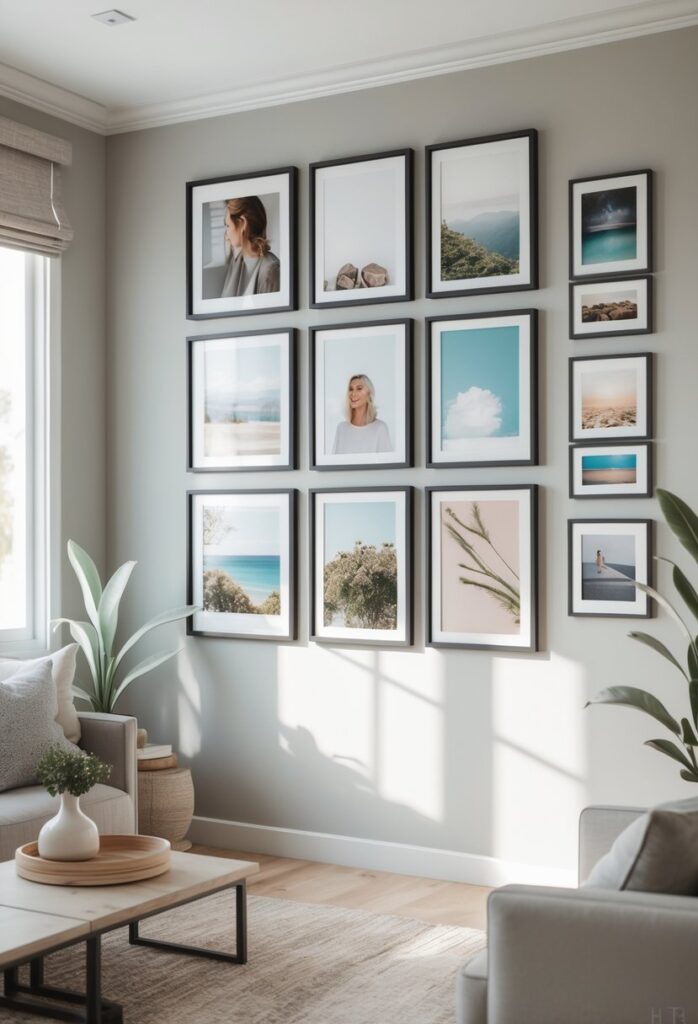
Before selecting specific decorations, assess your room’s existing character and how wall treatments might enhance rather than compete with architectural elements.
Room proportions influence appropriate scale for wall treatments. Small rooms benefit from light colors and modest-scale decorations that avoid overwhelming limited space. Large rooms accommodate bold treatments and substantial pieces that hold their own against generous proportions.
Natural light affects how colors and textures appear throughout day. North-facing rooms receive cooler light that mutes warm colors, while south exposures intensify both warm and cool tones. Test paint samples and observe artwork at different times before committing to final selections.
Existing architectural features including trim, built-ins, and window treatments establish parameters for additions. Wall decorations should complement these elements rather than fighting them for attention.
Wall Painting Ideas for Dramatic Impact
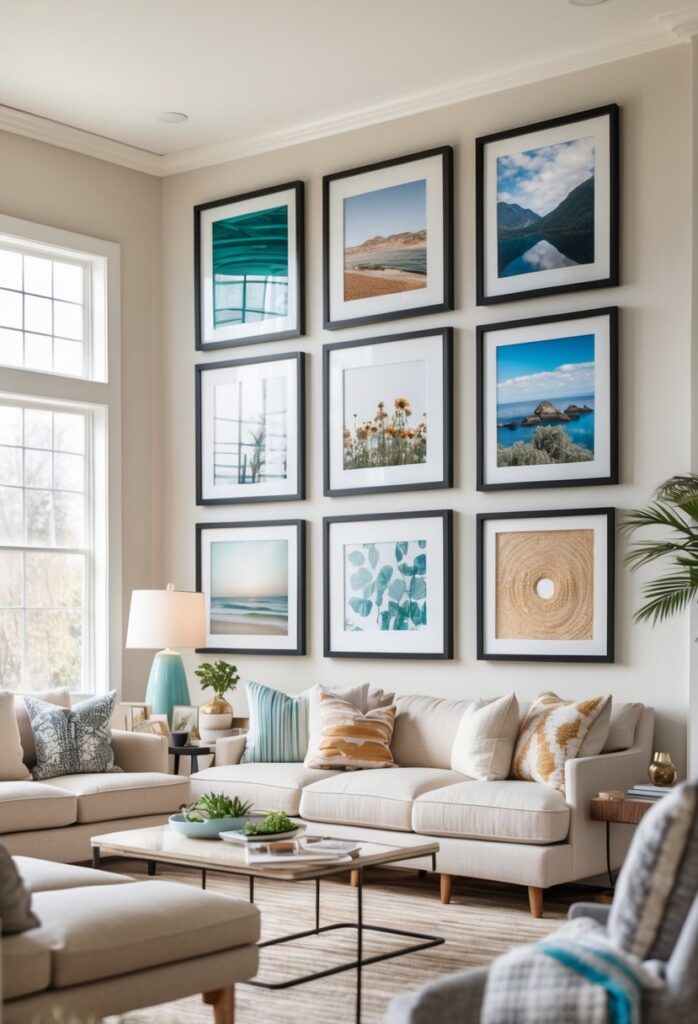
Wall painting ideas extend far beyond basic single-color applications. Contemporary techniques add dimension and interest while requiring only paint and basic supplies.
Color blocking divides walls into geometric zones painted in contrasting or complementary hues. This approach defines specific areas within open floor plans while adding modern graphic interest. Masking tape ensures clean lines between color zones, and sample boards allow testing combinations before committing to walls.
Ombre effects graduate colors from light to dark across wall surfaces, adding subtle drama without overwhelming spaces. This technique proves particularly effective in bedrooms where soft transitions promote relaxation. Sponges or rags blend paint at color boundaries for seamless graduation.
Accent walls concentrate bold color or pattern on single surface, creating focal points without overwhelming entire rooms. Choose walls naturally drawing attention—those behind beds, sofas, or dining tables—for maximum impact with minimal commitment.
Textured paint applications add physical dimension through additives or application techniques. Sand-textured paints create subtle grit suitable for rustic settings, while combed or stippled finishes add visual interest that reads as sophisticated rather than crafty when executed with restraint.
Picture Wall Ideas for Personal Galleries
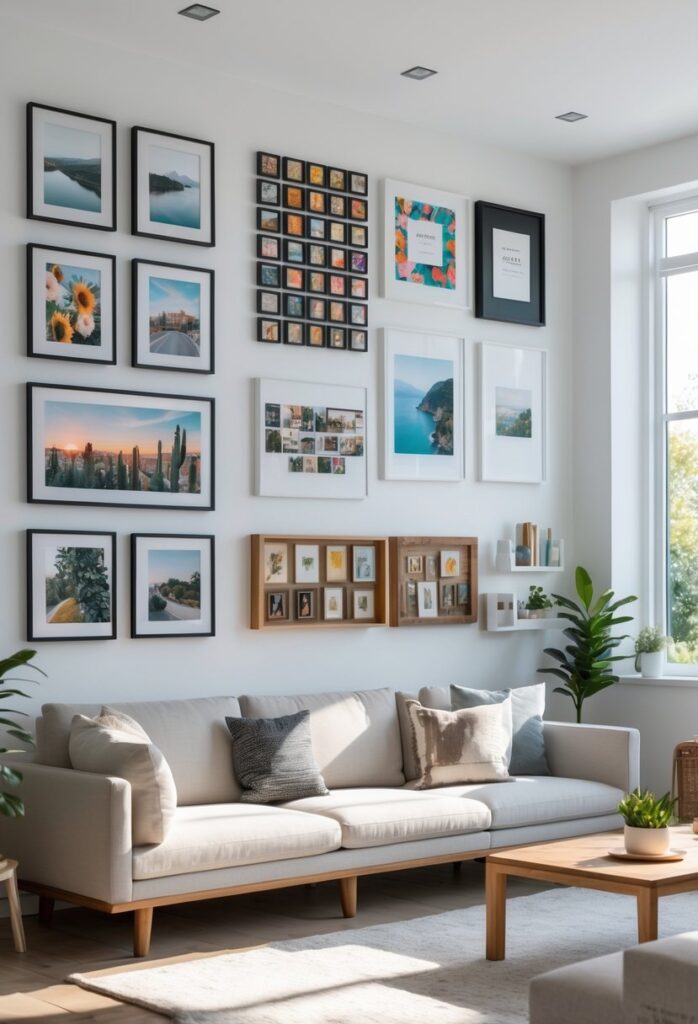
Picture wall ideas transform collections of artwork, photographs, and objects into cohesive compositions expressing personal history and aesthetic preferences.
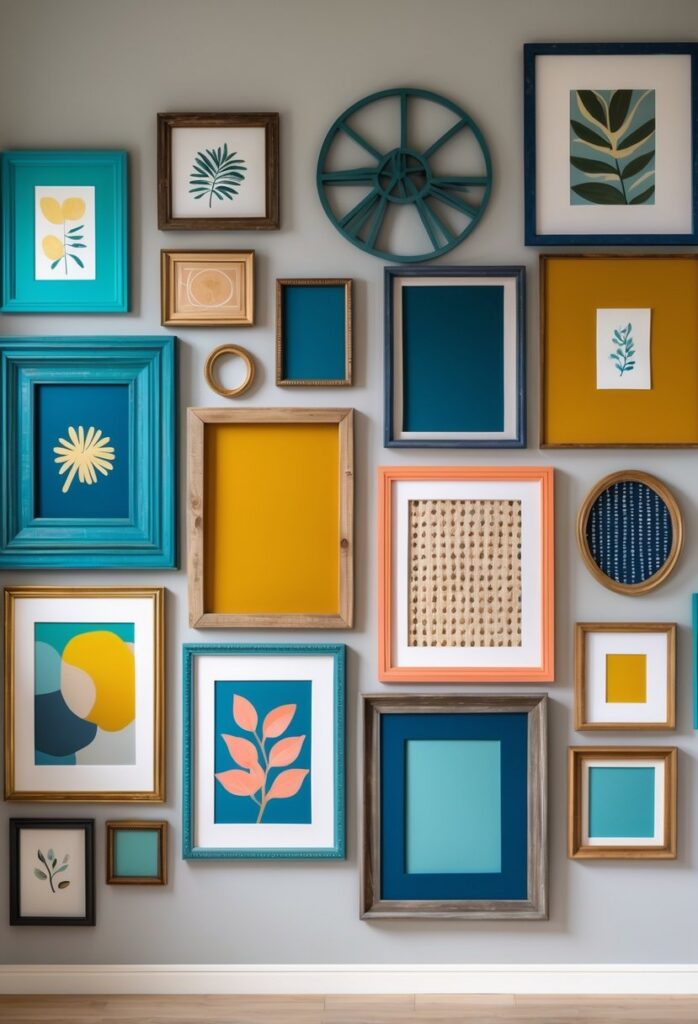
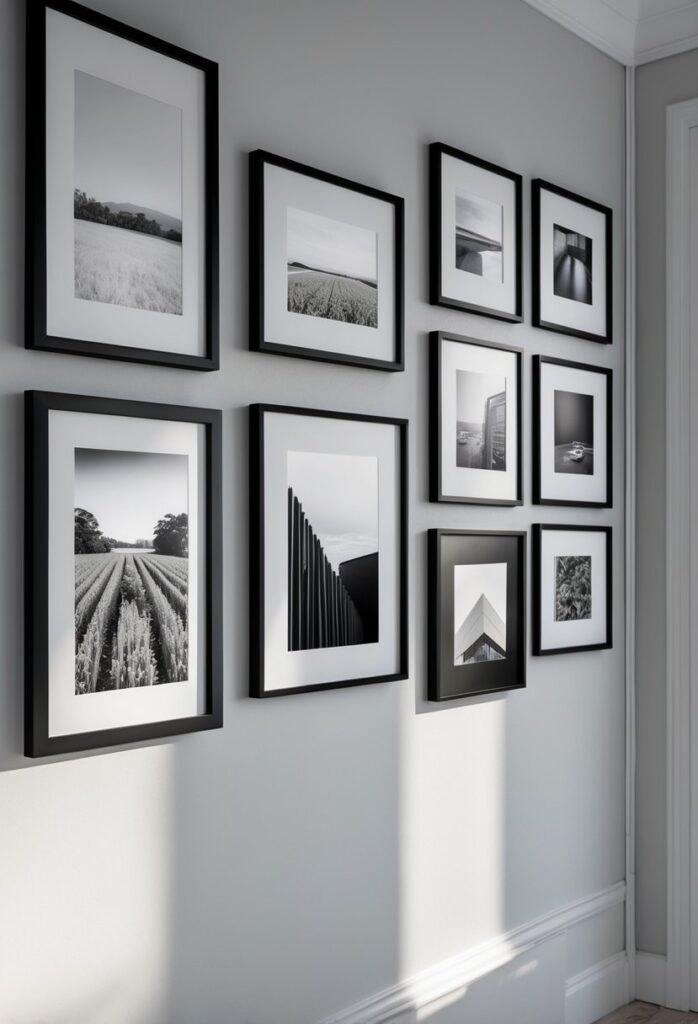
Gallery walls group multiple pieces in intentional arrangements creating unified focal points. Successful gallery walls share common elements—frame colors, subject matter, or matting—that tie diverse pieces together. Arrange pieces on floor first, tracing each onto kraft paper templates taped to wall for preview before committing to nail holes.
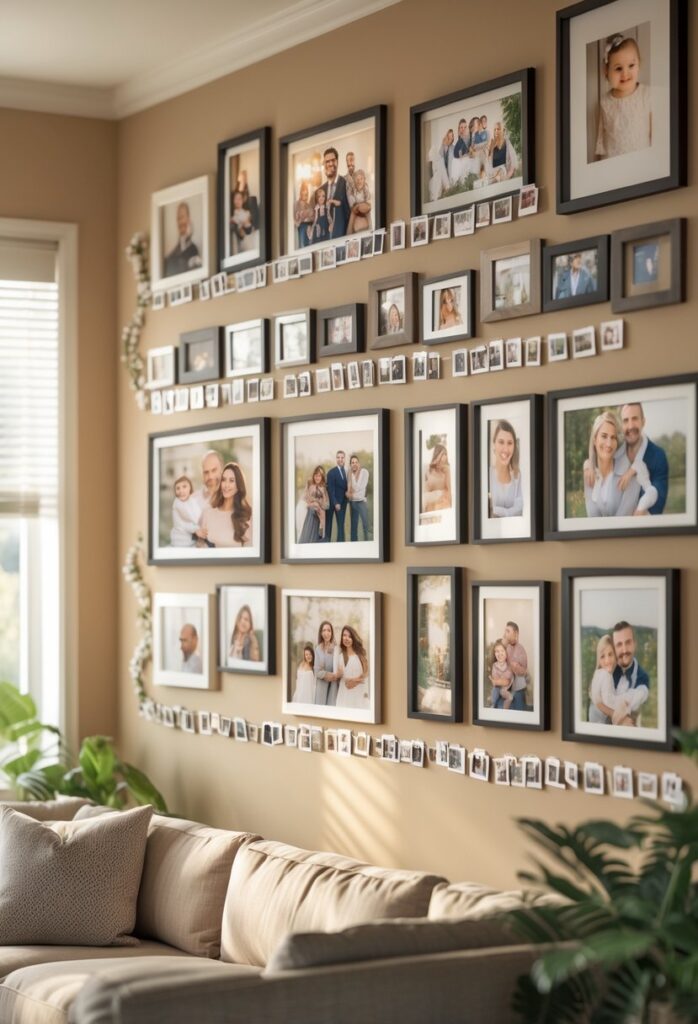
Salon-style hanging packs pieces closely in floor-to-ceiling arrangements reminiscent of historic exhibition spaces. This maximalist approach suits high-ceilinged rooms where generous wall area accommodates dense coverage. Consistent frame spacing maintains cohesion despite varied piece sizes and subjects.
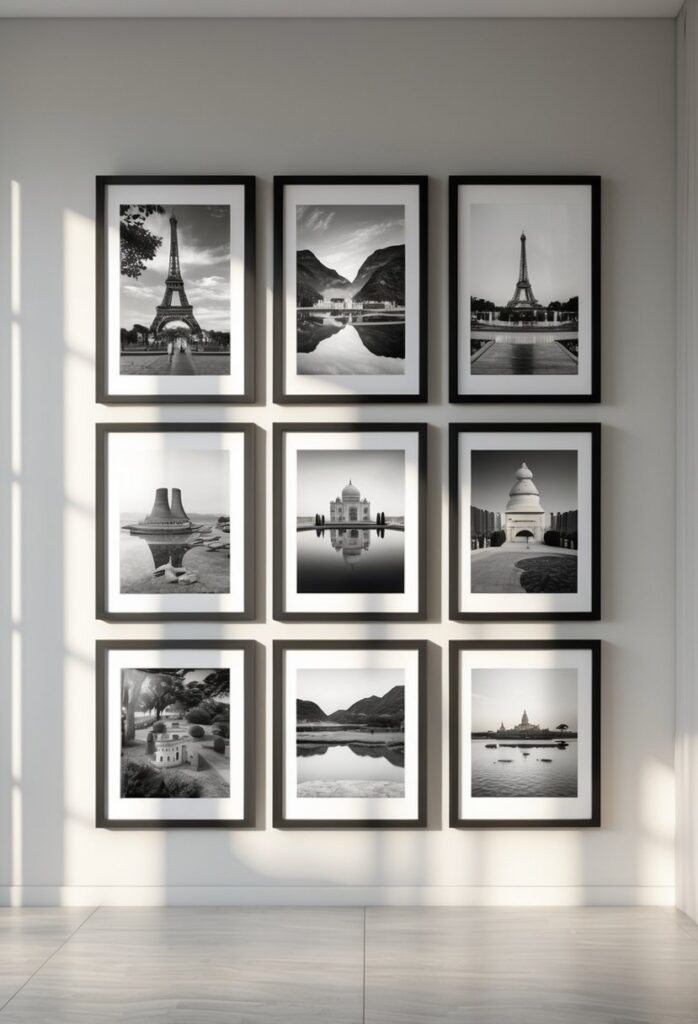
Grid arrangements impose order on multiple pieces through uniform spacing and alignment. Identical frames and consistent matting strengthen grid effect, which suits contemporary settings where clean lines dominate. Odd numbers of pieces (three, five, seven) create more interesting compositions than even groupings.
Leaner shelves provide flexible display without wall damage. Narrow shelves mounted at picture rail height hold framed pieces leaning safely, allowing easy rotation as collections evolve or seasons change. This approach suits renters unable to make permanent wall modifications.
TV Wall Ideas Integrating Technology
TV wall ideas address challenge of incorporating necessary screens into thoughtfully decorated interiors. Strategic approaches prevent televisions from dominating spaces while maintaining comfortable viewing.
Gallery integration surrounds screens with framed artwork, reducing television’s visual dominance. Arranging pieces around screens creates composition where television reads as another element rather than sole focal point. Matte screen finishes reflect less light than glossy alternatives, improving both viewing and integration.
Concealment solutions hide televisions when not in use. Sliding panels, hinged artwork, or motorized lifts allow screens to disappear behind decorative elements until needed. These approaches suit formal spaces where television presence feels inappropriate during entertaining.
Built-in surrounds frame televisions within cabinetry or millwork, creating intentional context for screens. Media units with central television compartments flanked by shelving or cabinetry integrate screens while providing storage for components and display space for decorative objects.
Color consideration mounts televisions against wall colors minimizing contrast. Dark screens recede against similarly dark walls, while light walls emphasize screen presence. Painting wall section behind television in darker shade reduces apparent size while adding architectural interest.
Wall Paneling Ideas for Architectural Character
Wall paneling ideas add permanent architectural interest while improving room acoustics and protecting wall surfaces. Contemporary options range from traditional interpretations to modern applications.
Board and batten arranges vertical battens over horizontal base, creating rhythmic pattern adding height perception to rooms. This approach suits traditional and transitional interiors, particularly in dining rooms and entry halls where formality feels appropriate.
Beadboard installations introduce cottage character through narrow vertical planks with distinctive grooves. Full-wall applications create casual elegance, while wainscot-height installations protect lower walls while allowing contrasting paint or wallpaper above.
Geometric paneling arranges wood or MDF components in contemporary patterns adding sculptural interest. Hexagonal, chevron, or asymmetrical arrangements suit modern interiors where traditional paneling feels mismatched. Painting panels same color as wall minimizes contrast while emphasizing shadow patterns.
Slat walls mount parallel wood strips over contrasting backing, creating linear texture adjustable for acoustic performance. Spacing between slats affects both appearance and sound absorption, with wider gaps increasing both visual contrast and acoustic transparency.
Living Room Wall Decor Ideas for Social Spaces
Living room wall decor ideas address unique demands of spaces serving multiple functions—relaxation, entertainment, conversation, and display.
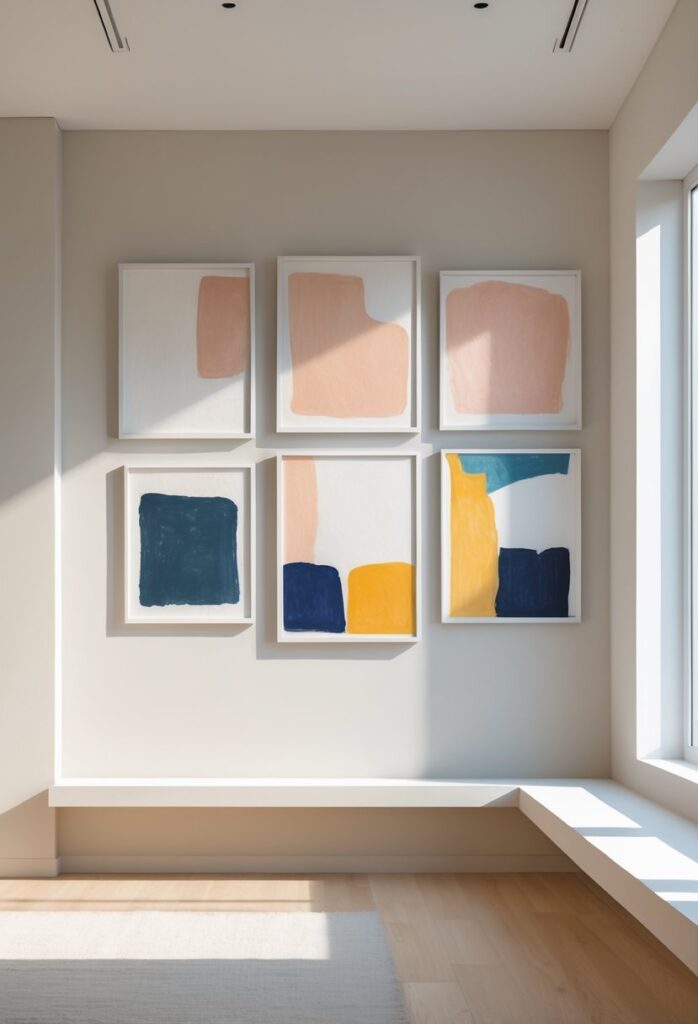
Sofa wall treatments frame primary seating areas with appropriate scale and character. Large-scale artwork above sofas should measure approximately two-thirds sofa width for proper proportion. Hanging art so bottom edge sits six to eight inches above sofa back creates visual connection between furniture and wall.
Fireplace surrounds offer natural focal points for wall treatments. Mantel arrangements, mirrored overmantels, or tile installations enhance hearth presence while providing display opportunities. Maintaining symmetry around fireplaces creates stability appropriate for traditional settings, while asymmetrical arrangements suit contemporary spaces.
Media walls combine television, storage, and display within unified compositions addressing living room’s multiple functions. Floor-to-ceiling installations maximize wall utilization while creating built-in appearance appropriate for primary living spaces.
Reading nook walls carve intimate spaces within larger rooms through wall color and treatment. Deeper paint colors or textural wallpapers define alcoves where chairs and lamps create quiet retreats separate from main seating areas.
Wall Design Ideas Beyond Conventional Approaches
Wall design ideas increasingly incorporate materials and techniques extending beyond traditional paint and wallpaper, adding unique character through unexpected elements.
Fabric wall coverings add softness and acoustic absorption while introducing textile patterns at architectural scale. Upholstered wall panels, stretched fabric installations, or tapestries soften rooms while adding warmth hard surfaces lack. Acoustic properties prove particularly valuable in music rooms or home theaters.
Mirror installations expand perceived space while reflecting light throughout rooms. Floor-to-ceiling mirror panels create dramatic effects in small spaces, while clustered mirror groupings add sparkle without dominating. Antiqued mirror finishes add warmth compared to highly reflective silvered options.
Three-dimensional tiles introduce sculptural relief through ceramic, glass, or metal units arranged in patterns. Feature walls clad in dimensional tile become room focal points requiring minimal additional decoration. Grout color choices significantly affect overall appearance, with contrasting grout emphasizing tile shapes and matching grout creating unified surfaces.
Living walls incorporate plants into vertical compositions, improving air quality while adding organic presence. Interior green walls require adequate lighting and irrigation systems but reward investment with dynamic, evolving installations changing throughout seasons.
Practical Considerations for Wall Decor Installation
Beyond aesthetic decisions, practical factors affect long-term satisfaction with wall treatments.
Proper hanging techniques vary by wall construction and piece weight. Drywall anchors support moderate weight, while heavy pieces require attachment to studs. Historic homes with plaster walls need specialized hardware preventing wall damage.
Lighting integration ensures wall treatments remain visible after dark. Picture lights, track lighting, or adjustable recessed fixtures direct illumination onto artwork and architectural features. Wall washing techniques evenly illuminate large surfaces, while accent lighting highlights specific pieces.
Seasonal adaptability allows wall treatments to evolve throughout year. Display shelves, leaning ledges, and picture rails facilitate rotation without repeated wall damage. Consider how holiday decorations might integrate with permanent installations.
Conclusion
Wall treatments represent opportunity to infuse living spaces with personal expression while addressing practical requirements for display, storage, and architectural interest. Whether pursuing bold color applications, organized gallery arrangements, or integrated technology solutions, intentional approaches transform bare walls into integral design elements.
Begin by observing how you actually use each space, noting which walls naturally draw attention and which serve as backgrounds for activity. Select approaches complementing both architectural context and personal aesthetic preferences. Allow installations to evolve over time as collections grow and tastes develop.
The most successful wall treatments balance personal expression with spatial awareness, creating environments supporting daily life while reflecting individual character. Your walls await transformation—consider what stories they might tell.
