

Have you ever spotted a tired old dresser at a flea market and felt that little spark of “what if”? You know the one—it’s got those signature tapered legs, maybe some water rings on top, but underneath the wear and tear, there’s something special waiting to emerge. That, my friend, is the magic of a mid century modern furniture makeover.
I still remember my first rescue: a scratched-up side table with those iconic angled legs that I snagged for twenty bucks. After some sanding, a fresh coat of stain, and new hardware, it became the favorite piece in my living room. There’s something deeply satisfying about breathing new life into these retro treasures. And honestly? You don’t need to be a professional woodworker or spend a fortune to do it yourself.
Let’s chat about how you can spot, save, and style mid century modern furniture in ways that honor its heritage while making it work for your life today.
Why We’re Still Obsessed with Mid Century Style
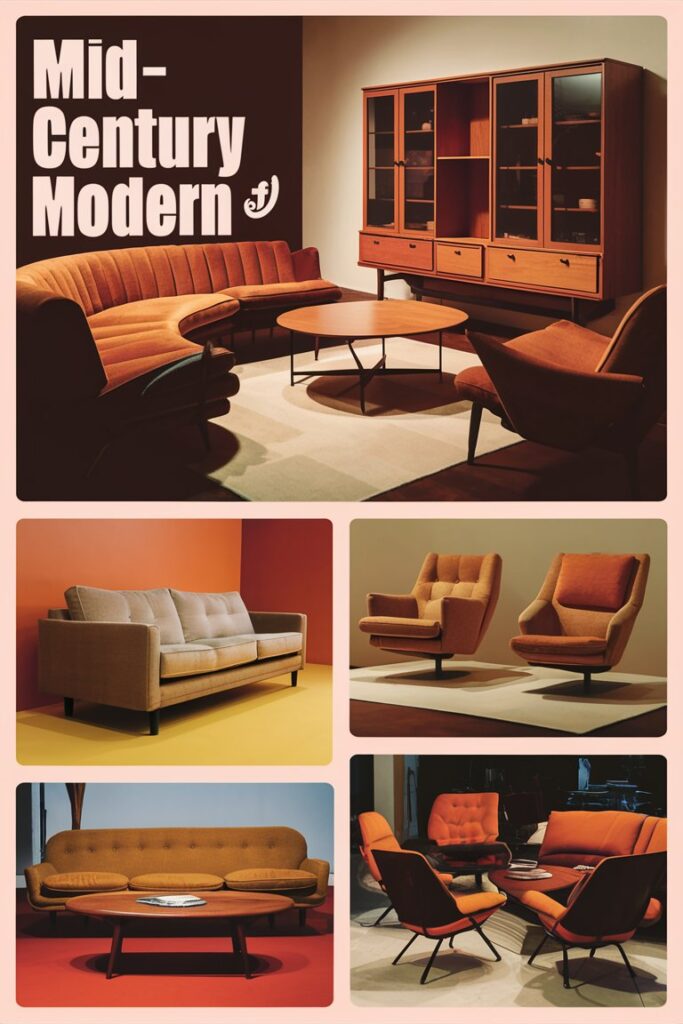
First, let’s address the elephant in the room—why is everyone so crazy about this look? The term “mid-century modern” actually popped up in print way back in 1953, though it really entered our vocabulary with Cara Greenberg’s 1984 book on the subject . We’re talking about furniture made roughly between 1933 and 1965, and honestly, it’s aged like fine wine.
The hallmarks? Clean lines that don’t quit, organic curves that feel organic, and functionality that actually makes sense . In the US, designers got excited about new postwar materials—fiberglass, molded plywood, aluminum—while their Scandinavian cousins kept things warm with bent birch and leather . Think Charles and Ray Eames pushing boundaries with molded plywood, or Hans Wegner crafting those Wishbone chairs that still make design lovers swoon .
What makes mid century modern wood furniture so special is how it balances form and function. Those tapered legs aren’t just pretty—they make pieces feel lighter and less clunky in a room. The wood grains (teak, rosewood, oak) add warmth without overwhelming a space . It’s furniture that says, “I belong here,” without shouting.
Finding Your Diamond in the Rough
Where to Hunt for Bargains
The beauty of this style is that it was mass-produced, which means there’s still plenty out there waiting to be rescued. Estate sales, Facebook Marketplace, and local thrift stores are goldmines. I’ve scored solid birch Heywood-Wakefield pieces for pocket change—and here’s the thing: companies like Heywood-Wakefield have been making furniture since the 1800s, and their mid-century stuff was built to last .
Look for affordable mid century modern furniture that needs a little TLC. Water stains? Scratches? Loose joints? That’s just negotiation fuel for a lower price. The bones matter most. Check for solid wood construction (not particleboard), dovetail joints on drawers, and those telltale tapered legs.
What to Grab First
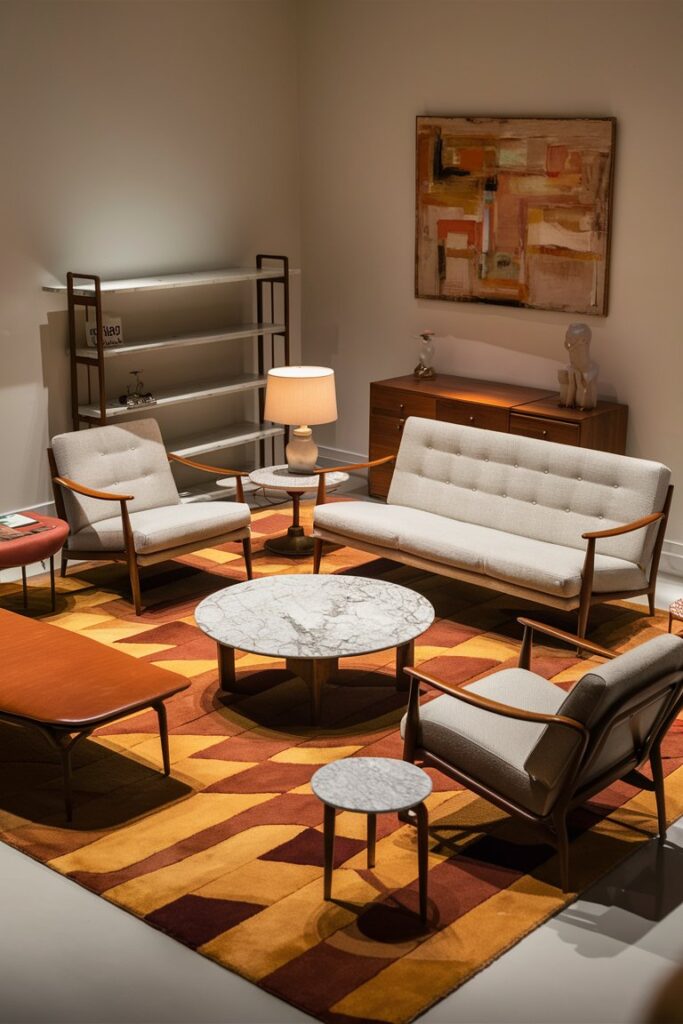
If you’re new to makeovers, start with smaller pieces. A nightstand, a side table, or a single dining chair. These projects build confidence without overwhelming your living room or your schedule. Once you’ve got a few successes under your belt, graduate to dressers, desks, and credenzas.
Planning Your Makeover: Respect the Bones
Before you grab the sandpaper, take a minute to assess what you’re working with. Is it mid century modern wood furniture with gorgeous grain? Then maybe a full paint job would hide what makes it special. Is it a later piece with laminate surfaces? Paint might be your best friend.
Designer Carrie Waller, who lives in a 1960s ranch home, has this approach I love: she aims for an even split of old and new in every room . That way, nothing feels like a costume party—it just feels like a home with personality. When she refreshed her home office, she kept an antique screen print with earthy colors to balance out her newer IKEA pieces . That mix is exactly what makes mid century style work in real life.
The Nitty-Gritty: Makeover Techniques That Work
Refinishing Wood Surfaces
If you’ve scored solid wood, refinishing is often the way to go. Strip the old finish, sand gently (please don’t obliterate those original details), and choose a new stain that complements the wood. Danish oil is a favorite for mid-century pieces because it soaks in and enhances grain without looking plasticky.
Heywood-Wakefield originally used those signature “Wheat” and “Champagne” finishes, but today’s revived production uses Amber lacquer—a modern catalyzed coating that resists light and moisture better than the old stuff . If you’re working on a piece that’s already lost its original finish, feel free to take creative license.
Painting Done Right
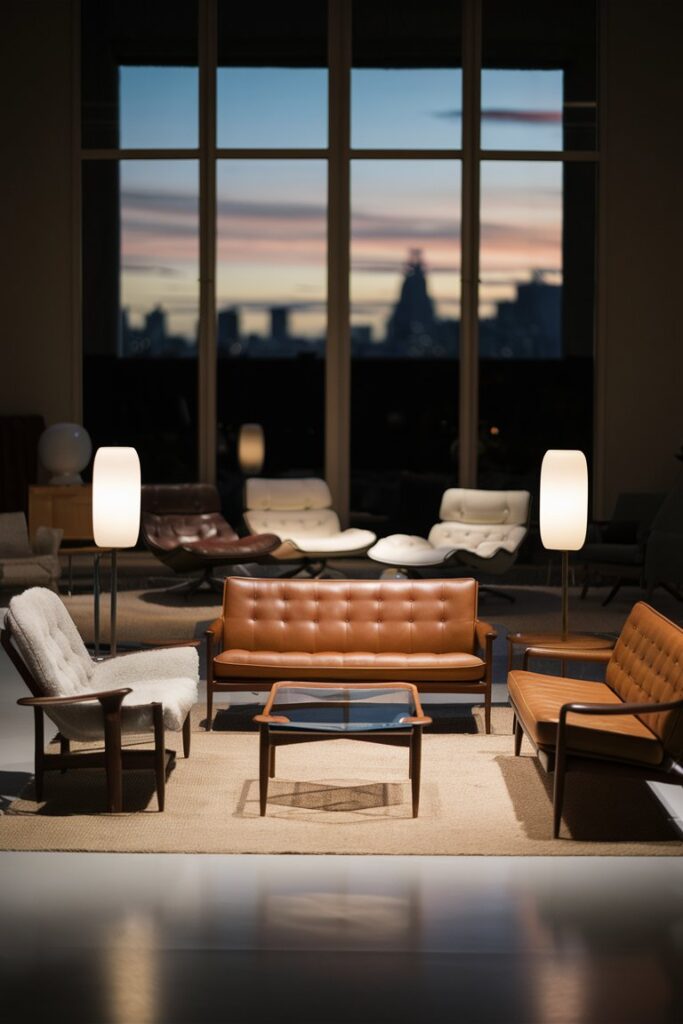
Sometimes paint is the answer—especially if the veneer is beyond saving or you’re working with mixed materials. For a true mid-century vibe, stick with colors from the era: mustard yellow, sage green, burnt orange, or deep blues . Just look at how IKEA’s new RÅDMANSÖ series pairs warm walnut tones with deep blue drawer interiors—that contrast feels fresh but historically grounded .
Pro tip: Sand lightly, prime thoroughly, and use quality paint. Chalk paint is forgiving for beginners, but seal it with wax or poly so it holds up to real life.
Hardware Makes the Piece
Never underestimate the power of new knobs and pulls. Brass-look hardware instantly says “mid century” without being fussy . Check Etsy or local architectural salvage shops for vintage pulls—sometimes original replacements are surprisingly affordable.
Getting Fancy: Creative Reupholstery
Here’s where things get really interesting. What if your mid century modern furniture makeover goes beyond sanding and painting? What if it becomes art?
The TOAST x Vinterior collaboration did exactly that with a 1960s oak armchair by Swedish designer Bröderna Anderssons . Instead of just recovering it in new fabric, textile artist Hannah Refaat used Japanese mending techniques—boro patchworking and sashiko stitching—to create something entirely new . She gathered fabrics from TOAST’s archives (indigo cotton, wool, linen) and stitched them together, making the repairs visible and beautiful .
Now, I’m not saying you need to learn sashiko stitching this weekend (though how cool would that be?). But the takeaway is this: your makeover can honor the past while adding your own story. Maybe that means reupholstering a worn seat in a bold geometric fabric. Maybe it means adding a subtle pattern to drawer fronts. The piece should feel like it belongs to you, not just a museum.
Taking It Outside: Mid Century Modern Outdoor Furniture
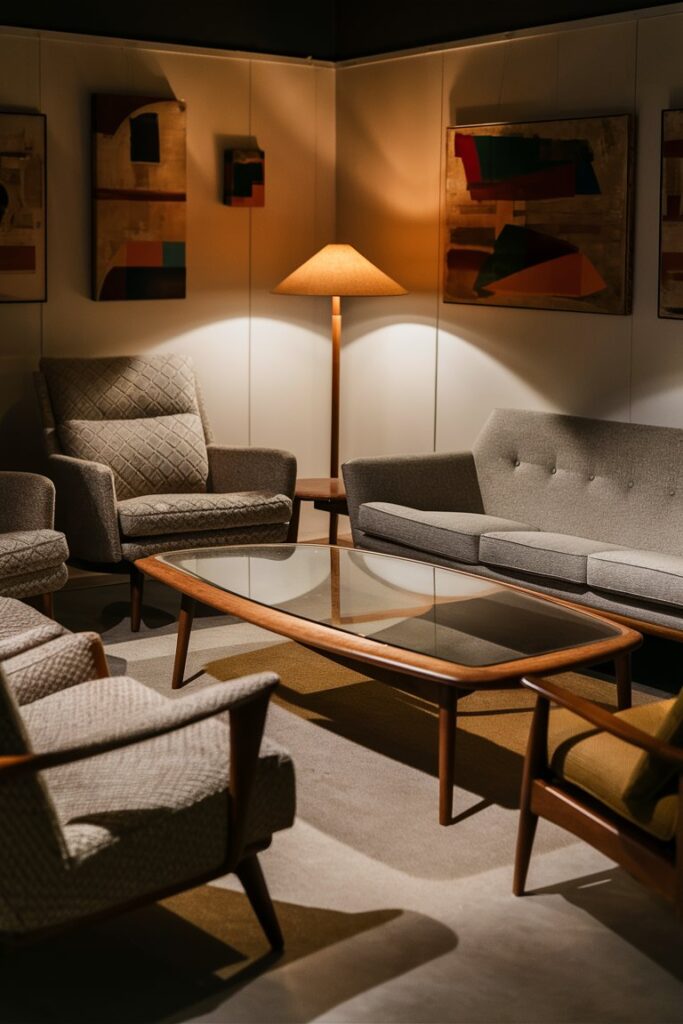
Here’s something people often overlook: mid-century design wasn’t just for living rooms. The postwar era brought a whole new focus on outdoor living, and designers answered the call .
Mid century modern outdoor furniture has that same clean-lined appeal, but it’s built to survive the elements. Think Richard Schultz’s 1966 Collection for Knoll, or Russell Woodard’s Sculptura pieces . If you’re lucky enough to find vintage outdoor pieces, check materials carefully. Teak weathers beautifully to silver-gray. Aluminum won’t rust. But some vintage plastics may have become brittle over time .
Even if you can’t score vintage, new collections like Harbour’s Parker line capture that Palm Springs desert modern vibe with tubular bronze aluminum frames and performance fabrics that actually last outdoors .
Following Plans: Building Your Own
Maybe you’re more builder than restorer. Good news: mid century modern furniture plans are widely available for everything from Eames-inspired lounge chairs to simple credenzas. If you’ve got basic woodworking skills, building your own pieces lets you control materials and dimensions perfectly.
The key is respecting those signature elements: tapered legs, clean joinery, minimal ornamentation. Use solid woods like walnut or oak, or experiment with bent plywood if you’re feeling ambitious . Just remember that mid-century design prioritized accessibility—these pieces were meant for real people, not just design elites .
Mixing Old, New, and Made-Over
Here’s the fun part: once you’ve got your refinished, reupholstered, or rebuilt pieces, how do you arrange them?
Balance is everything. Carrie Waller suggests avoiding too many old things together, or too many new things—shoot for an even split so the room looks intentional . Pair your refinished Heywood-Wakefield dresser with a modern lamp. Set your newly upholstered armchair next to a sleek contemporary sofa. The mix keeps things interesting.
And don’t forget about color. While mid-century traditionalists love neutral palettes—tan, white, taupe, black, beige—today’s interpretations happily incorporate dusty pink, moss green, gold, and pale ice blue . A bright yellow couch can absolutely work with warm wood tones if you balance it right .
Conclusion: Your Turn to Create
Here’s the truth about mid century modern furniture makeovers: there are no strict rules. The original designers were experimenting with new materials and forms, pushing boundaries, making things for how people actually lived. That spirit should guide you too.
Start small. Hit up a flea market this weekend. Find something with good bones and bring it home. Sand it, paint it, re-cover it, or just clean it up and love it as-is. The point isn’t perfection—it’s participation. You’re joining a long line of people who believed that everyday objects should be beautiful and functional.
And who knows? Maybe years from now, someone else will find your makeover at a thrift store and wonder about its story. Maybe they’ll give it another new life. That’s the beauty of well-made furniture—it outlasts us, collects stories, and keeps going.
