
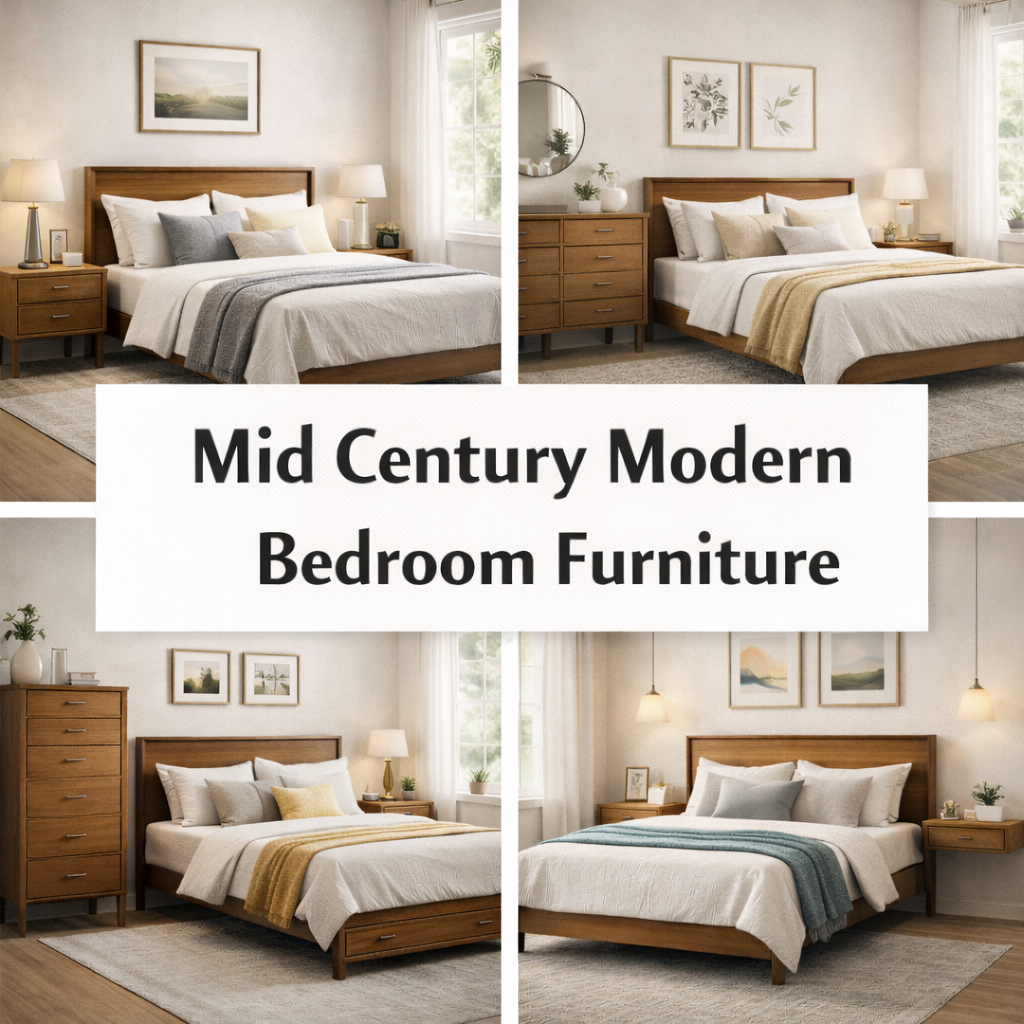
Few design movements have endured as gracefully as mid century modern. Born in the postwar era of optimism and innovation, this aesthetic continues captivating new generations with its clean lines, organic forms, and honest material expression. In the bedroom, mid century modern furniture creates sanctuaries that feel both sophisticated and serene—spaces where rest comes easily and mornings begin with clarity.
The appeal lies in balance. Mid century designs avoid both ornate excess and sterile minimalism, finding sweet spot where form serves function without sacrificing beauty. Whether you’re furnishing a primary suite or refreshing a guest room, these enduring pieces bring character that feels fresh decades after their creation.
Understanding Mid Century Modern Design
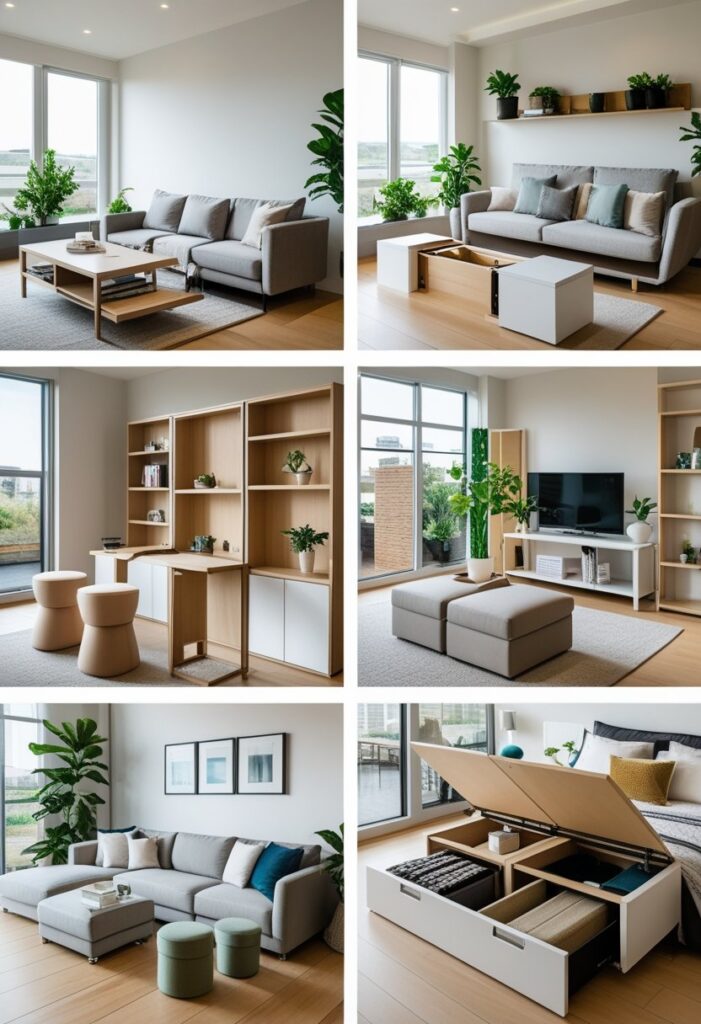
Before selecting specific pieces, understanding the philosophy behind mid century modern helps inform choices authentic to the aesthetic.
Historical context matters. Emerging after World War II, this design movement embraced new materials and manufacturing techniques while rejecting Victorian ornamentation. Designers including Charles and Ray Eames, George Nelson, and Hans Wegner created furniture for how people actually lived—comfortable, accessible, and beautiful.
Key characteristics distinguish mid century pieces from other styles. Clean, simple lines predominate without excessive decoration. Organic curves reference natural forms while maintaining geometric discipline. Tapered legs lift pieces visually, reducing visual weight. Materials including teak, walnut, rosewood, and oak appear prominently, often left visible rather than painted.
Functionality drives design decisions. Pieces serve intended purposes efficiently while contributing to overall composition. Storage integrates seamlessly rather than appearing added. Every element earns its place.
Essential Mid Century Modern Bedroom Furniture Pieces
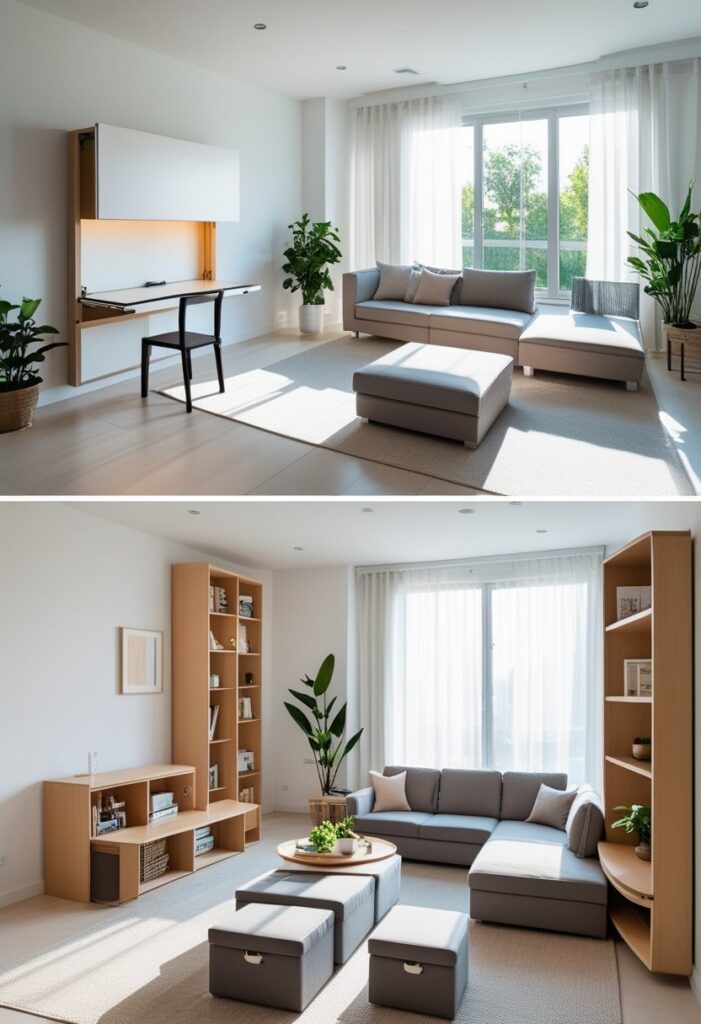
A cohesive mid century bedroom incorporates several key furniture types, each contributing to overall aesthetic while serving specific functions.
Bed Frames as Focal Points
The bed naturally anchors bedroom design, making frame selection particularly significant. Mid century modern bedroom furniture offers numerous bed frame options suiting varied preferences.
Platform beds exemplify mid century approach with low profiles, clean lines, and integrated bases eliminating need for box springs. Slatted supports provide ventilation while maintaining minimalist appearance. Solid wood headboards in warm tones add vertical interest without overwhelming.
Panel headboards mount to walls or attach to bed frames, introducing design elements through wood grain, subtle shaping, or integrated nightstands. Floating appearance achieved through hidden mounting hardware maintains airy feel.
Storage beds with integrated drawers or shelves maximize functionality without compromising aesthetics. Drawer fronts continuing wood grain patterns maintain cohesive appearance. Low-profile designs preserve room’s visual lightness.
Nightstands and Bedside Storage
Bedside furniture balances practical access with aesthetic contribution. Mid century nightstands typically feature tapered legs, minimalist hardware, and generous surface area.
Floating nightstands mount to walls, freeing floor space while creating clean appearance ideal for smaller rooms. Integrated drawers or shelves provide storage without visual weight. Coordinate height with mattress top for comfortable access.
Pedestal designs single-column supports create airy appearance while providing drawer and shelf storage. Round or rectangular tops accommodate lamps, books, and personal items. Multiple units flanking bed create symmetrical compositions.
Modular systems combine nightstands with headboard integration for unified appearance. Shelving, lighting, and storage configured to specific needs while maintaining design coherence.
Dressers and Storage Pieces
Vertical storage proves essential in bedrooms, and mid century dressers elevate necessary function into design opportunity.
Low dressers with three to four drawers suit rooms where horizontal lines complement bed proportions. Long, low profiles reference classic case pieces while providing generous surface for display. Tapered legs maintain lightness.
Highboys offer vertical storage occupying smaller footprints—ideal for compact spaces. Six to nine drawers organize clothing efficiently while drawing eyes upward. Graduated drawer sizes add visual interest.
Credenzas with sliding doors or drawers provide flexible storage suitable for media, linens, or clothing. Longer profiles work well against larger walls, anchoring room compositions.
Material and Finish Considerations
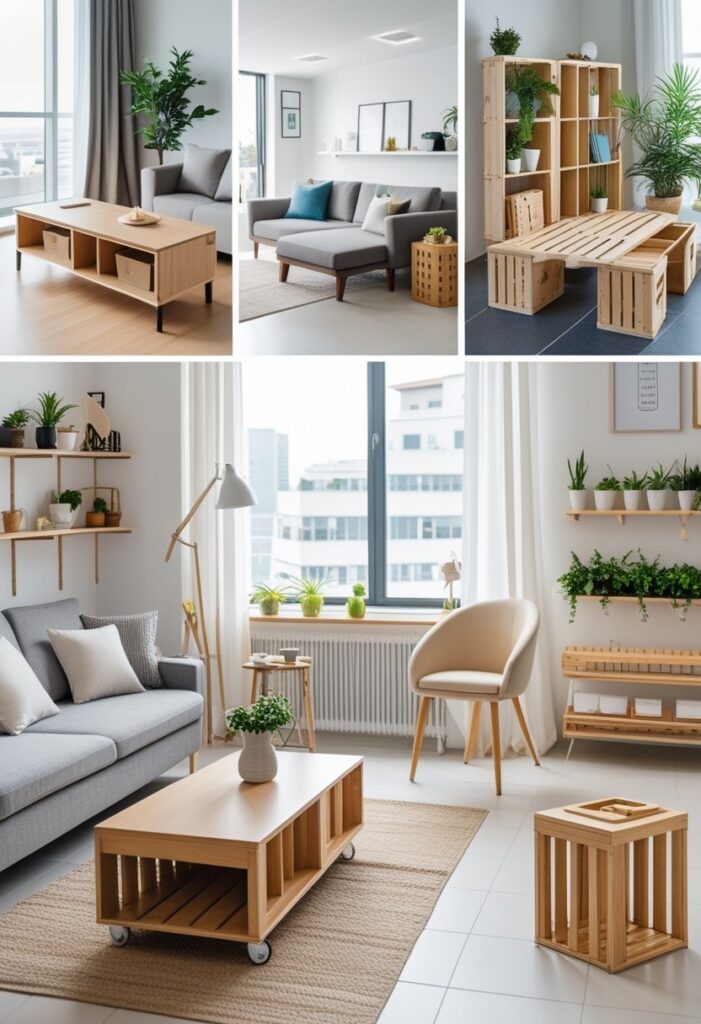
Mid century modern wood furniture derives much character from material choices. Understanding wood species and finishes helps select pieces harmonizing with your space.
Walnut ranks among most popular mid century materials. Rich chocolate brown with varied grain patterns adds warmth while reading as sophisticated. Clear finishes allow natural beauty to dominate. Walnut works with virtually any color palette.
Teak brings golden-brown tones with distinctive grain patterns. Danish designers particularly favored teak for its durability and warm appearance. Aged teak develops silvery patina if left unfinished; oiling maintains original warmth.
Rosewood offers dramatic dark chocolate with striking grain. Used for statement pieces rather than full suites, rosewood adds luxurious accent. Brazilian rosewood now restricted, making vintage pieces particularly valuable.
Oak provides lighter alternative with prominent grain. White oak appears in Scandinavian interpretations; red oak suits American designs. Clear or lightly tinted finishes preserve natural character.
Finish conditions affect both appearance and value. Original finishes preserve historical integrity but may show wear. Refinished pieces look fresh but lose some authenticity. Decide which matters more for your situation.
Incorporating Mid Century Style Throughout Bedroom
Beyond case goods, other elements extend mid century character throughout sleeping spaces.
Lighting Fixtures
Period-appropriate lighting reinforces design direction while providing essential illumination. Mid century modern office furniture lighting principles translate beautifully to bedroom applications.
Arc floor lamps curve gracefully over seating areas or beside beds, providing task lighting while making sculptural statements. Brushed brass or black finishes complement wood tones.
Sputnik chandeliers with radiating arms add dramatic focal points in larger bedrooms. Multiple bulbs create sparkling light patterns while referencing atomic age optimism.
Wall-mounted swing arm lamps beside beds provide adjustable reading light while freeing nightstand surfaces. Clean lines and geometric forms suit mid century aesthetic.
Textile Selections
Bedding, rugs, and window treatments introduce softness while reinforcing design direction.
Geometric patterns including atomic prints, abstract forms, and period-appropriate designs add visual interest. Limit pattern intensity to avoid overwhelming—perhaps bedspread or rug but not both.
Texture contrasts through wool blankets, linen sheets, and cotton matelassé add depth without pattern complexity. Natural fiber rugs in jute or sisal ground spaces organically.
Color palettes from period include warm earth tones (mustard, olive, rust) and cool retro shades (teal, pink, turquoise). Use as accents against neutral foundations.
Blending Vintage and Contemporary
Successful mid century bedrooms need not adhere strictly to period authenticity. Thoughtful mixing creates fresh interpretations.
Vintage originals offer unmatched character and craftsmanship. Hunt estate sales, vintage shops, and online marketplaces for authentic pieces. Accept honest wear as patina rather than flaw.
Quality reproductions capture essential design elements with new materials and construction. Many manufacturers offer mid century-inspired collections making style accessible.
Contemporary pairings with mid century pieces create dynamic tension. Clean-lined modern bedding, minimalist art, and contemporary lighting complement vintage furniture without competing.
Mid Century Modern in Other Rooms
The aesthetic extends beyond bedrooms throughout homes. Coordinating approaches creates cohesive interiors.
Mid century modern living room furniture shares design vocabulary with bedroom pieces—tapered legs, clean lines, warm woods. Sofas with low profiles and angled legs, lounge chairs referencing Eames designs, and walnut credenzas create seamless flow between spaces.
Mid century modern office furniture brings same principles to workspaces. Desks with clean lines and integrated storage, shelving systems both functional and beautiful, and ergonomic seating respecting design heritage support productive work.
Mid century modern outdoor furniture extends aesthetic beyond walls. Aluminum frames, woven cordage, and teak construction weather beautifully while maintaining design integrity. Dining sets, lounge chairs, and daybeds create outdoor rooms complementing interior spaces.
Mid century modern cat furniture? Yes—contemporary designers now create pet furniture respecting mid century aesthetics. Scratchers, beds, and perches in walnut and wool blend with rather than disrupt room designs.
Care and Maintenance
Preserving mid century furniture ensures enjoyment for years ahead.
Wood care requires appropriate products. Quality furniture polish or wax protects finishes without buildup. Avoid silicone-based products complicating future refinishing. Dust regularly with soft cloth.
Upholstery maintenance varies by material. Vacuum fabric regularly to prevent soil embedding. Professional cleaning every few years refreshes appearance. Protect from direct sunlight preventing fading.
Hardware preservation maintains original character. Clean gently with appropriate products. Replace missing pieces with period-appropriate reproductions when necessary.
Arranging Your Mid Century Bedroom
Final composition brings individual pieces together into cohesive whole.
Balance distributes visual weight evenly throughout room. Large dresser opposite bed creates equilibrium. Nightstands matched or intentionally mismatched but visually balanced.
Focal points draw attention intentionally. Bed naturally commands attention; arrange other pieces to complement rather than compete. Statement artwork or lighting provides secondary interest.
Negative space proves essential to mid century aesthetic. Allow breathing room around furniture. Avoid filling every wall or corner.
Conclusion
Mid century modern bedroom furniture offers enduring appeal through honest materials, thoughtful forms, and functional beauty. Whether collecting authentic vintage pieces or selecting quality reproductions, this design approach creates sleeping spaces supporting rest while expressing sophisticated style.
Begin with essential pieces—bed frame appropriate to your space, nightstands serving bedside needs, storage sufficient for clothing and linens. Layer lighting, textiles, and accessories gradually as you discover pieces resonating with your vision. Allow rooms to evolve rather than demanding instant perfection.
The most successful mid century bedrooms feel neither decorated nor designed but simply right—spaces where furniture serves life gracefully, where beauty emerges from function honestly expressed. Your bedroom can achieve this character through thoughtful selection honoring design tradition while serving your contemporary life.
