
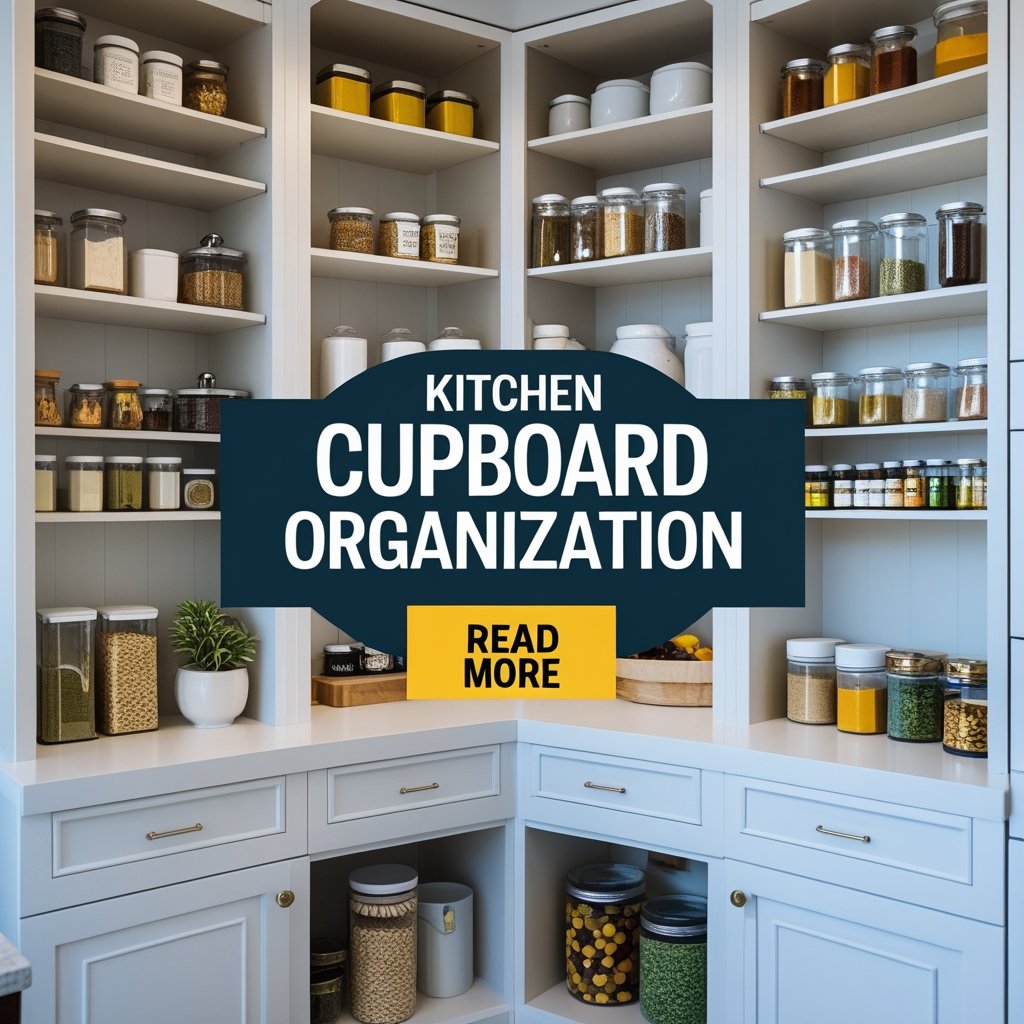
Organizing your kitchen cupboards can make your daily cooking and cleaning much easier. When your cupboards are well arranged, you can quickly find what you need without digging through clutter. The key to effective kitchen cupboard organization is to group similar items together and use smart storage tools to maximize space.

By sorting your cookware, dishes, and ingredients in a clear, consistent way, you’ll save time and reduce frustration. Using shelves, baskets, and dividers helps keep everything visible and accessible. With a bit of planning, your kitchen cupboards can become a streamlined, functional part of your home.
Essential Principles of Kitchen Cupboard Organization
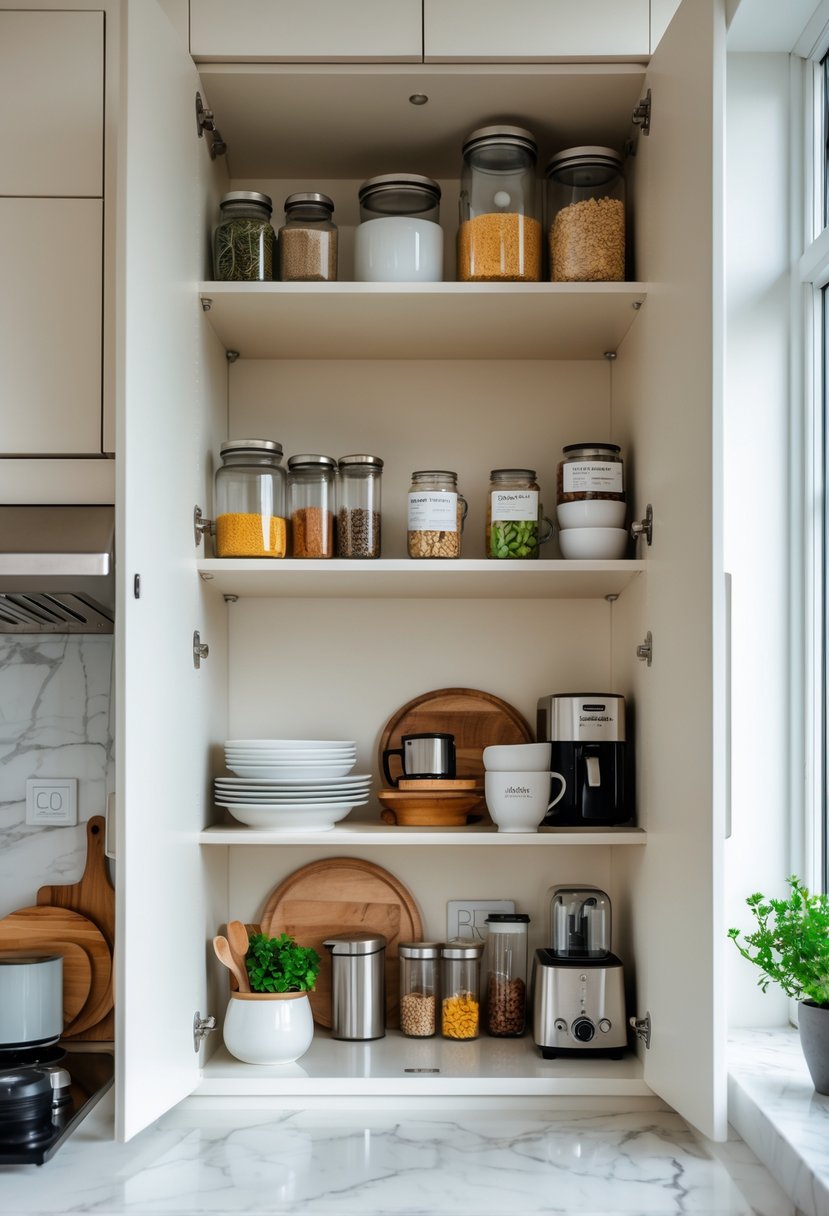
Organizing your kitchen cupboards starts with clearing out what you don’t need and knowing exactly what you want to keep. From there, sorting items into clear groups and understanding the shape and size of your cupboards helps you make the best use of your space. These steps create a system that’s both functional and easy to maintain.
Decluttering and Purging
Begin by emptying all your cupboards completely. Look at each item and ask yourself if you use it regularly, if it’s in good condition, or if it’s expired.
Remove duplicates or things you rarely use. For example, donate extra sets of dishes or old gadgets taking up space.
Cleaning your cupboards while they’re empty is a good idea. Wipe down shelves with a non-toxic cleaner to remove dust and food grease.
Keeping only what you need keeps clutter down and makes it easier to find things later. This step is critical before any organizing.
Categorizing Kitchen Items
Organize your items based on how you use them. Group pots and pans together, keep dishes and bowls in another area, and store food ingredients in a pantry section.
You can also separate daily-use items from occasional ones. For example, keep your everyday plates within easy reach and store holiday dishes higher up or in less accessible spots.
Use clear containers or labels to make categories visible. This stops you from digging through clutter and helps everyone in your home find what they need quickly.
Assessing Cupboard Space
Look at your cupboard dimensions and layout carefully. Measure the shelves and note any adjustable parts.
Think about how to best use vertical space. Adding shelf risers or stackable bins can double your storage room.
Store heavier items on lower shelves to keep your kitchen safe and easy to use. Keep frequently used items at eye level or within arm’s reach.
Your goal is to create a logical flow inside the cupboards that matches how you cook and clean, minimizing unnecessary movement.
Optimal Storage Solutions
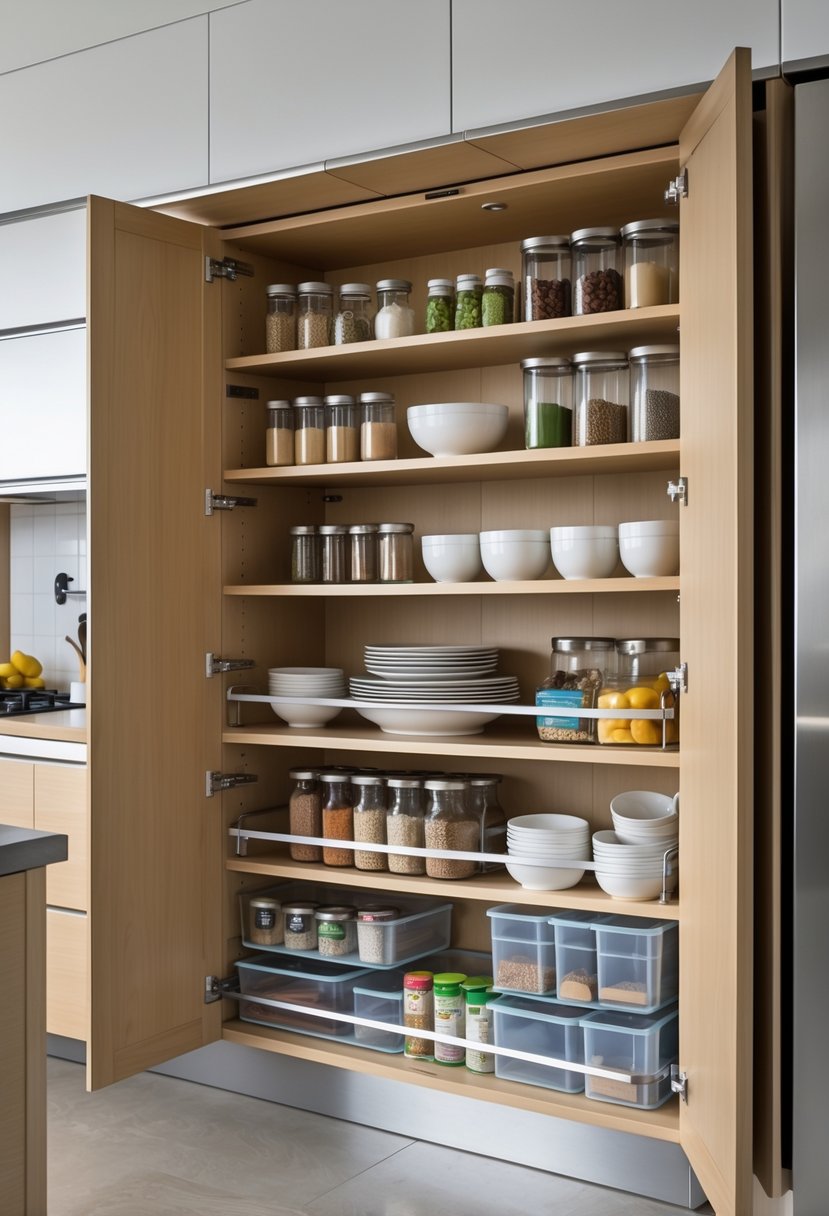
Making the most of your kitchen cupboards means using space efficiently and keeping items easy to find. Smart adjustments, sorting tools, and containers designed for stacking help you create neat, functional storage that fits your needs.
Utilizing Adjustable Shelves
Adjustable shelves let you change the height between levels inside your cupboard. This flexibility helps you store tall bottles, small jars, or bulky appliances without wasting space.
Look for shelves that are easy to move and sturdy enough to hold heavy items. You can custom-fit your cabinet to match the size of what you regularly use. This keeps everything visible and accessible without cramming or stacking too high.
Remember to leave enough space for airflow if storing food. Adjustable shelves work well in both upper and lower cabinets to maximize vertical room.
Incorporating Drawer Dividers
Drawer dividers separate utensils, tools, and small kitchen gadgets. Using these keeps your drawers from becoming messy piles where it’s hard to find things quickly.
You can buy adjustable dividers or make your own with simple materials like wood strips or plastic trays. Organizing by type—forks, spoons, knives, or small gadgets—helps you know exactly where each item belongs.
Dividers also protect delicate items from damage by preventing them from sliding around. Place dividers lengthwise or crosswise depending on the shape and size of your drawers for maximum benefit.
Choosing Stackable Containers
Stackable containers make it easy to fit more food or supplies into your cupboards. Choose containers that nest inside each other when empty for easy storage.
Look for airtight lids to keep food fresh and clear sides so you can see what’s inside without opening them. Uniform shapes stack better and reduce wasted air space.
Label containers by content and date to save time searching and prevent spoilage. Keep frequently used items near the front and less-used items at the back to improve flow and efficiency.
Maximizing Accessibility and Efficiency

Organizing your kitchen cupboards to be both accessible and efficient means thoughtful design and practical systems. You want to reach items quickly, avoid clutter, and make cooking smoother. Smart grouping, clear labeling, and regular rotation of goods help achieve this.
Implementing Zone Organization
Zone organization means grouping items by their use or type in your cupboards. For example, keep all baking supplies like flour, sugar, and baking soda in one spot. Place everyday dishes near the dishwasher or sink for easy unloading.
Create zones like “cooking,” “snacking,” and “cleaning” to reduce the time you spend hunting for items. Use drawers or pull-out shelves for pots and pans in the cooking zone. This saves space and lets you access what you need without moving other things.
Keep heavy or bulky items low to avoid lifting strain. Lighter items can go higher. This layout supports natural movement during meal prep and cooking.
Labeling and Inventory Systems
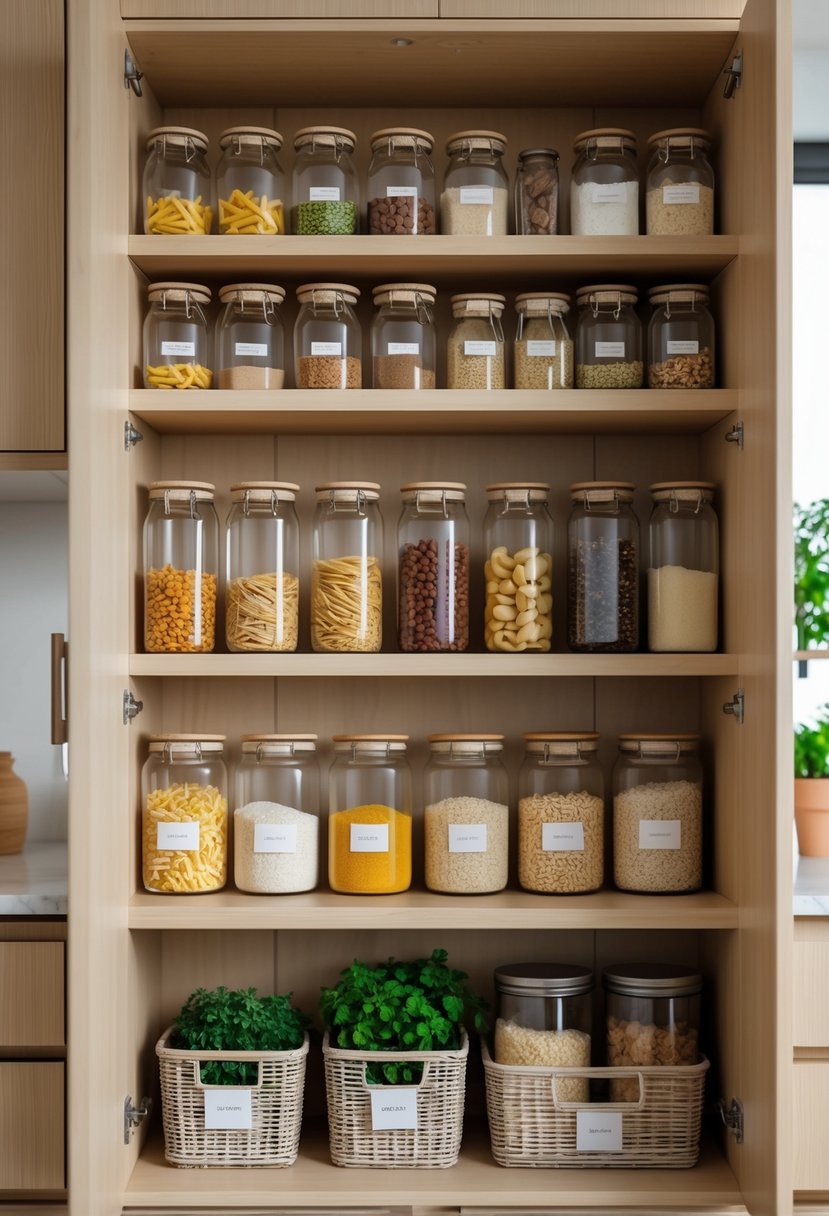
Labels make your cupboards clearer and faster to use. Use clear containers with labels for dry goods like pasta, rice, and beans. This keeps ingredients visible and easy to find. You can use chalkboard labels or printed tags for neatness.
Keep an inventory list on your fridge or inside a cupboard door. Update it when you add or use items. This prevents buying duplicates or running out unexpectedly. Some prefer apps for digital tracking, but a simple checklist works well.
Label shelves as well if you have multiple zones. This guides family members to put things back in the right place, keeping order consistent.
Rotating Pantry Goods
Rotate your pantry items regularly to reduce waste and keep food fresh. Use the “first in, first out” rule by placing newer items behind older ones. This ensures you use older products before they expire.
Check expiration dates monthly. Move soon-to-expire goods to a more visible shelf or a separate designated zone.
Consider storing seasonal or less-used items in harder-to-reach cupboards. Rotate them into main zones when needed. This keeps the most relevant items easily accessible and your kitchen orderly.
Maintaining an Organized Kitchen Cupboard
Keeping your kitchen cupboard neat takes regular effort. You need clear steps to keep dirt, spills, and clutter from building up. Consistent cleaning and quick reviews will help you keep things in order and easy to use.
Establishing a Cleaning Routine
Set a schedule to clean your cupboards at least once a month. Start by emptying the shelves and wiping them down with a damp cloth and mild cleaner. This removes dust, crumbs, and sticky spots that can attract pests or cause stains.
Check for expired food or items you no longer use during cleaning. Throw away or donate what you don’t need. Clean containers and jars before putting them back to avoid spills or stickiness.
Keep a small trash bag or box nearby for quick disposal. After wiping, allow shelves to dry fully before returning items. This helps prevent mold or mildew. If you spot stains or sticky spots, clean them immediately rather than letting them sit.
Scheduling Regular Check-Ins
Besides deep cleaning, plan quick weekly check-ins. During these, scan your cupboard to ensure items are in the right place and nothing is overcrowded. Rearrange items that have shifted during use to maintain order.
Use a checklist for your check-ins. Include tasks like verifying expiration dates, making sure containers are sealed properly, and ensuring pots or pans are stacked safely.
Spot any issues like broken lids, damaged containers, or spills and fix them right away. This small weekly effort prevents major clutter and keeps your system running smoothly without extra work later.
By investing 5 to 10 minutes regularly, you keep your cupboards functional and clean all year.
Creative and Space-Saving Tips
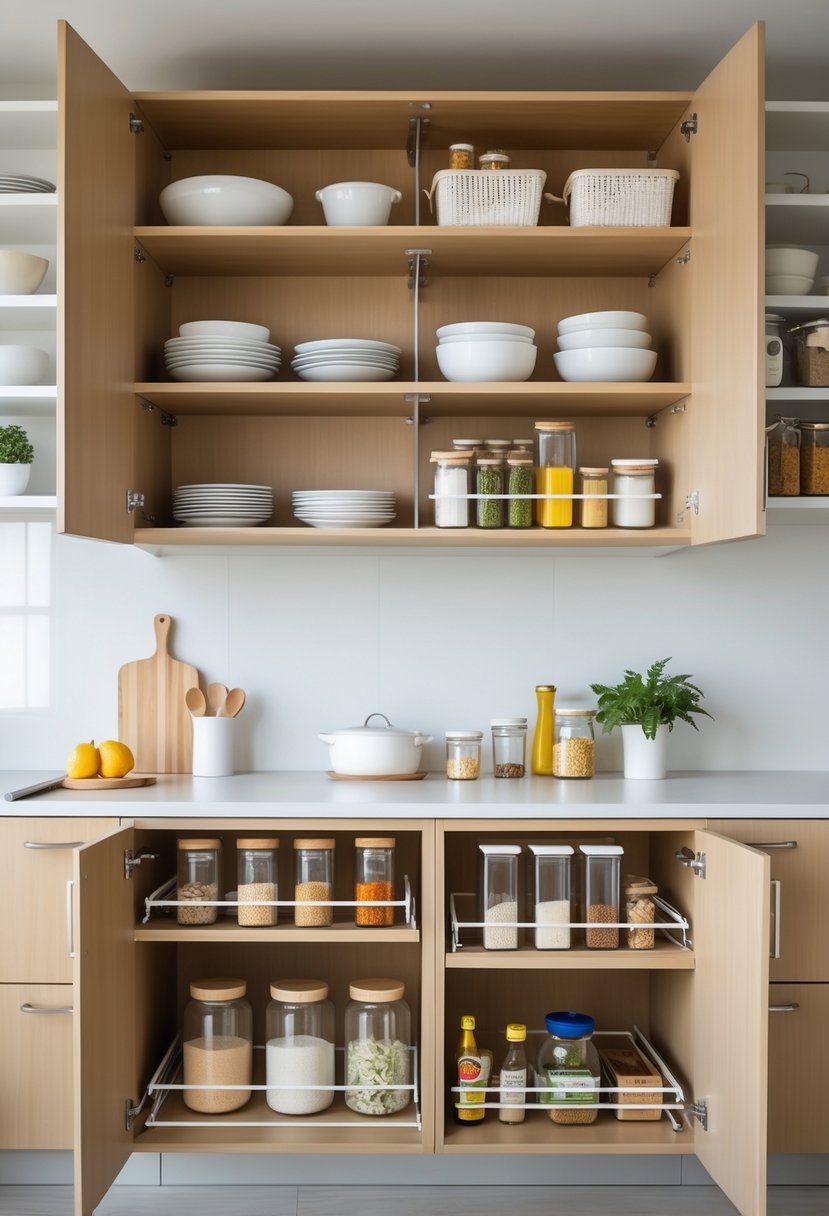
You can increase the storage and efficiency of your kitchen cupboards by using overlooked spaces and adding smart accessories. Simple changes will help you keep everything in reach without overcrowding your cabinets.
Utilizing Door and Wall Space
The inside of cupboard doors is a prime spot for extra storage. Attach slim racks or hooks to hold spices, cutting boards, or lids. This keeps items visible and easy to grab without taking up shelf space.
You can also mount magnetic strips to hold knives or metal tools on cupboard doors. On walls near cupboards, install narrow shelves or pegboards. These offer room to hang measuring cups, utensils, or small pots. Using vertical space helps clear counters and keeps your kitchen organized.
Repurposing Common Items
Look for household items that can work as storage solutions inside cupboards. Tension rods create dividers for baking sheets or cutting boards. Small baskets or trays keep packets or snack bags grouped and neat.
Magazine racks hold cans or bottles when placed on their side. You can use ice cube trays or muffin tins to sort small items like seasonings or clips within drawers or shelves. Repurposing items saves money and makes your cupboard system flexible.
Adding Pull-Out Racks
Pull-out racks improve access to deep or lower cupboards. Slide-out shelves help you see everything at once and avoid stacking, which hides items in the back.
Wire or wooden pull-out racks also make cleaning simpler by giving you full reach. Choose models that fit your cupboard size and can hold heavy pots or pans if needed. Adding these racks transforms wasted space into practical storage.
Frequently Asked Questions
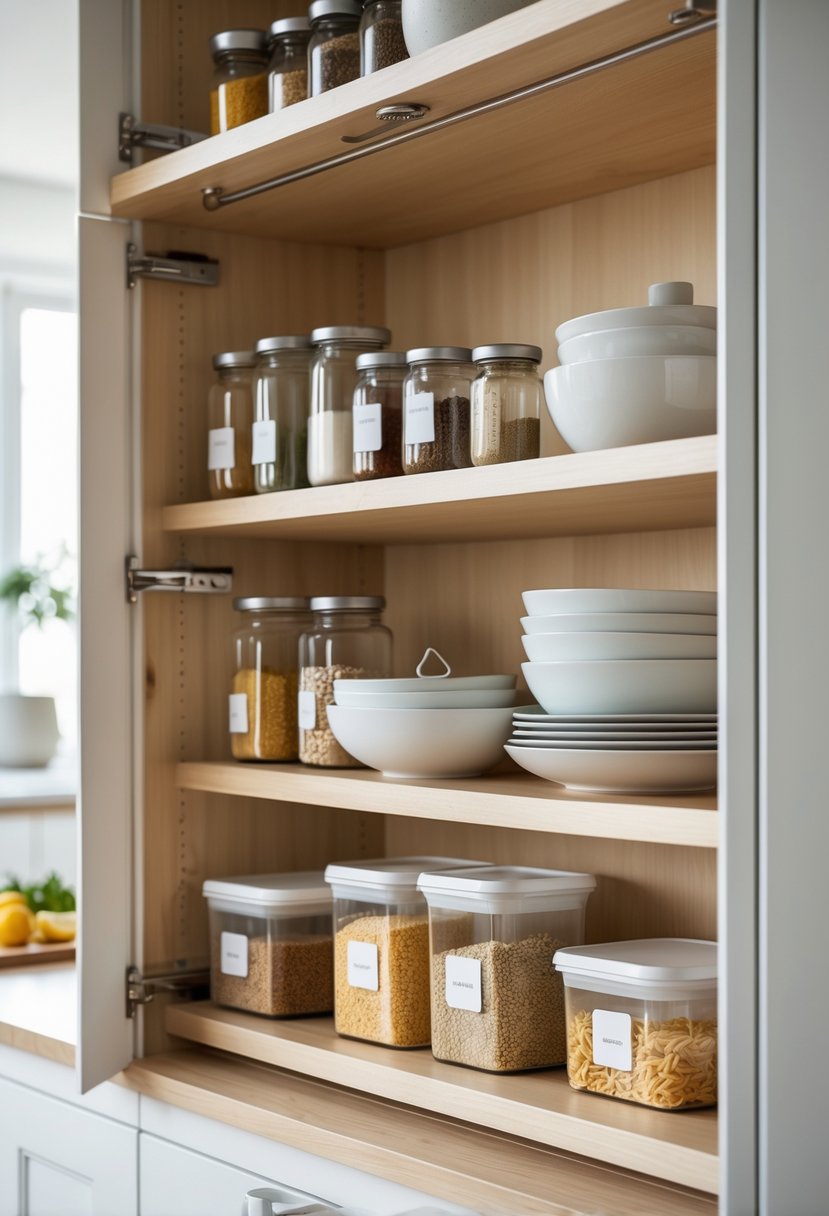
Smart use of space and clear grouping of your items can make your kitchen cupboards more functional. Simple tools and custom solutions help keep everything organized and easy to find.
How can I efficiently utilize vertical space in my kitchen cabinets?
Use stackable shelves or risers to create extra layers inside your cabinets. This lets you store more without cluttering.
You can also add hooks or hang small baskets on the inside of cabinet doors. This adds storage for lightweight items like measuring spoons or pot lids.
What are the best practices for categorizing items within kitchen cupboards?
Group items by their use, like cooking tools near the stove and baking supplies in one spot. Keep plates and bowls together, and store pots and pans in a lower, easy-to-reach cabinet.
Use zones that match your cooking routine to reduce time spent searching for things. Labeling shelves or containers can also help maintain order.
Are there any DIY solutions for improving kitchen cupboard organization?
Yes, you can make simple drawer dividers from cardboard or wood scraps to separate utensils. Magnetic strips can hold knives or spice jars inside cabinet doors.
You might also repurpose small boxes or containers as organizers. These ideas cost little and can be customized to your space.
How do pull-out organizers enhance kitchen cabinet functionality?
Pull-out organizers let you reach items at the back without digging through clutter. They provide easy access by sliding out fully, improving visibility and reducing mess.
They work well for pots, pans, and pantry items. Installing them can save you time and add convenience.
What type of storage containers work well for keeping kitchen cabinet contents tidy?
Clear plastic or glass containers with tight-fitting lids keep dry goods fresh and visible. Use uniform sizes to stack and save space.
Containers with labels help you quickly identify contents. Airtight boxes are best for ingredients like flour, sugar, and cereal.
Can shelf organizers from mainstream retailers like IKEA fit into any kitchen cabinet?
Many shelf organizers are adjustable or come in multiple sizes to fit standard kitchen cabinets. However, measure your cabinets before purchasing to ensure a proper fit.
Check if the organizer you want suits your cabinet’s depth and width. Custom inserts might be needed for odd-sized or deep cabinets.
