

Interior design for kitchens focuses on creating a space that is both functional and visually appealing. It involves choosing the right layout, colors, materials, and storage solutions to meet the needs of those using the space daily. A well-designed kitchen combines practicality with style to make cooking, dining, and socializing easier and more enjoyable.

Understanding how to balance these elements helps transform a kitchen into a central part of the home. Design choices like cabinet colors, countertops, and backsplashes play a major role in setting the tone and enhancing the room’s efficiency. Attention to both form and function ensures the kitchen supports everyday tasks while reflecting personal style.
By carefully planning a kitchen’s design, people can optimize space and create an inviting atmosphere. This approach not only improves usability but also adds value to the home, making it a worthwhile investment.
Core Principles of Interior Design for Kitchens
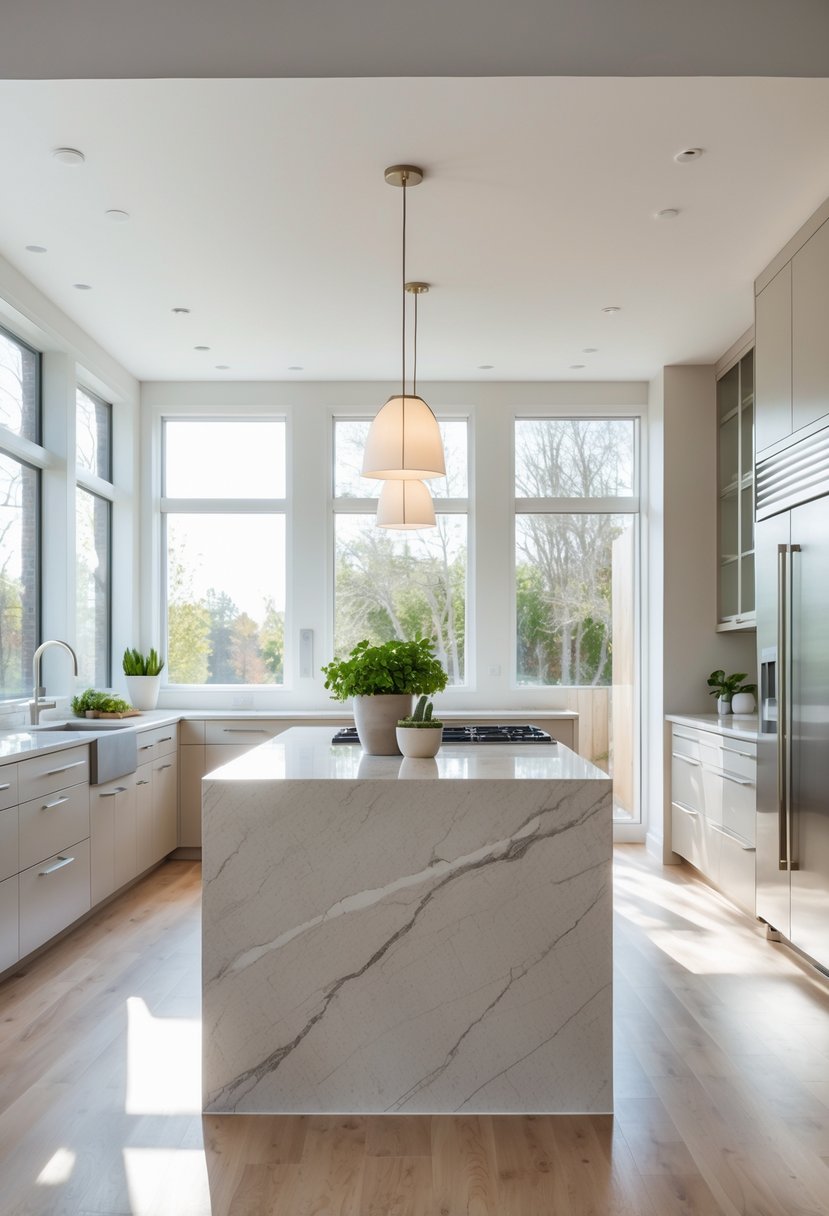
Designing a kitchen requires careful attention to how space is arranged, how different areas are used, the use of lighting, and the choice of colors and materials. Each of these factors affects how well the kitchen works day to day and how pleasing it looks.
Space Planning and Layout
Space planning focuses on organizing the kitchen’s physical area to create clear paths and easy access to all essential parts. The layout must allow smooth movement between the sink, stove, and refrigerator—often called the work triangle. This reduces unnecessary steps and improves efficiency.
Common layouts include the galley, L-shape, U-shape, and island designs. Each layout fits particular room sizes and shapes and impacts the kitchen’s functionality differently. Ample counter space near cooking areas is important for prepping food.
Good space planning also considers traffic flow to avoid bottlenecks. Walkways should be at least 36 inches wide to allow easy movement. Placing storage and appliances thoughtfully supports both cooking and cleaning tasks.
Functional Zoning
Functional zoning divides the kitchen into specific areas based on tasks. This helps keep work organized and reduces clutter. Typical zones include:
- Preparation zone for chopping and mixing
- Cooking zone with stove and oven
- Cleaning zone around the sink and dishwasher
- Storage zone for food and utensils
Each zone should have the right tools and surfaces nearby. For example, pots and pans belong near the cooking area. Keeping zones distinct prevents mixing dirty dishes with food prep and helps multiple people use the space without conflict.
Zoning also encourages efficient use of cabinets and drawers. Heavy-use items go in easy-to-reach places, while seasonal or less-used supplies can be stored higher up or farther away.
Lighting Strategies
Lighting in the kitchen must balance function and atmosphere. It should provide clear, shadow-free light for tasks like cutting and cooking, while also making the space inviting.
Layered lighting is effective:
- Ambient lighting offers overall illumination, usually from ceiling fixtures or recessed lights.
- Task lighting focuses on counters, sinks, and cooking areas, often provided by under-cabinet lights.
- Accent lighting highlights design elements like glass cabinets or backsplashes.
Using LED lights ensures energy efficiency and a longer lifespan. Daylight plays a key role too; maximizing natural light through windows or skylights improves visibility and mood.
Lighting controls like dimmers allow adjusting brightness for different uses, from cooking to dining.
Color and Material Selection
Choosing colors and materials affects both kitchen style and durability. Lighter colors can make a room feel larger and cleaner, while darker tones add warmth and depth. A balanced palette often combines neutral tones with bold accents.
Materials must withstand heat, moisture, and heavy use. Countertops often use granite, quartz, or solid surface materials because they resist stains and scratches. Cabinet finishes should be easy to clean and durable, such as painted wood or laminate.
Using consistent materials across surfaces creates harmony. For example, matching metal finishes on cabinet handles, faucets, and light fixtures ties the design together. Textures also matter; mixing smooth and rough finishes adds interest without clutter.
Maintenance is key. Choosing materials that are simple to clean helps keep the kitchen functional over time.
Trends and Personalization in Kitchen Interiors
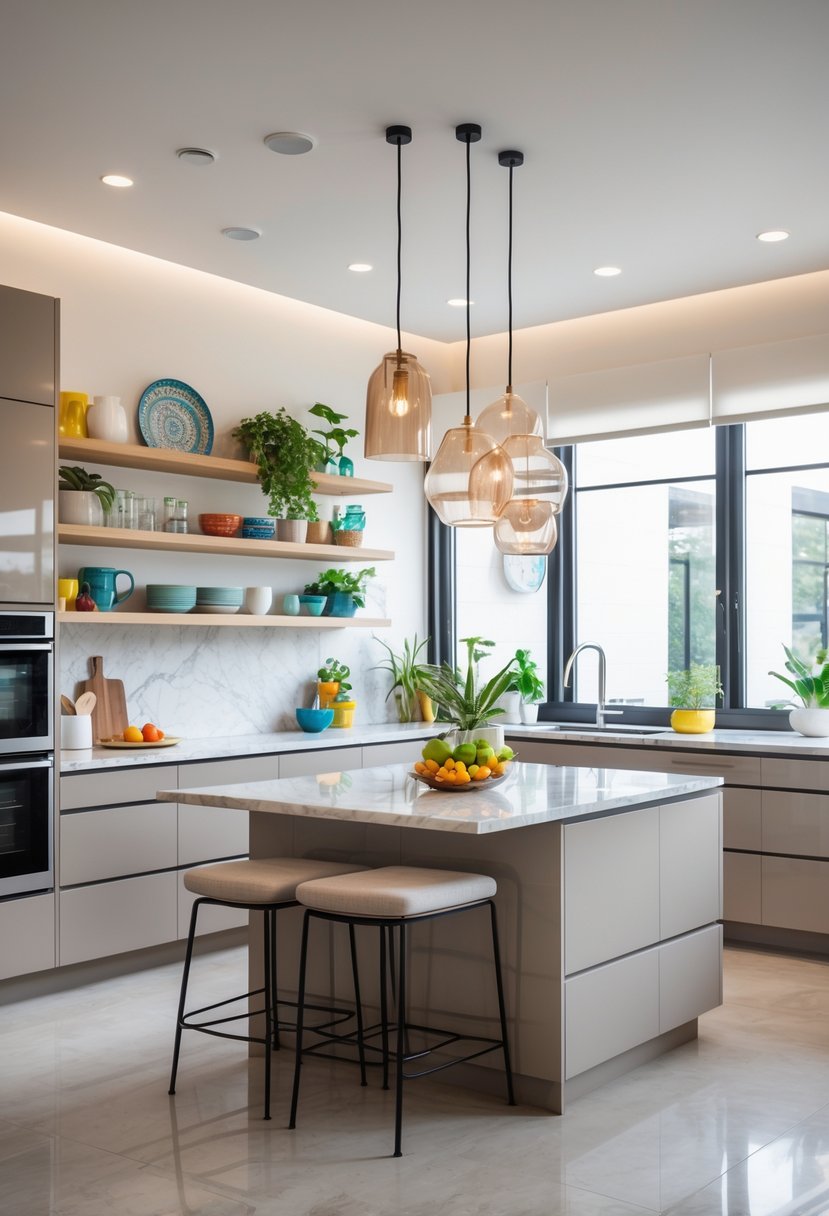
Modern kitchen interiors focus on balancing style with function, reflecting individual tastes. Personalization is achieved through design choices, smart features, and eco-friendly materials that fit diverse lifestyles and needs.
Modern and Classic Design Styles
Kitchens today blend modern and classic elements to create timeless spaces. Clean lines, minimalist cabinetry, and neutral tones represent modern style. These often combine with traditional touches like shaker cabinets, decorative moldings, or vintage hardware.
Designers recommend selecting either a sleek, contemporary look or a warm, classic feel, then mixing small details from the opposite style to add character. For instance, pairing marble countertops with matte black fixtures brings elegance and simplicity together.
Color palettes lean toward soft neutrals such as beige or gray and are often paired with natural wood finishes. This balance keeps the kitchen both fresh and welcoming.
Innovative Storage Solutions
Efficient storage is a top priority in kitchen design. Pull-out shelves, deep drawers with organizers, and corner cabinets that utilize hidden space improve access and reduce clutter.
Vertical storage also plays a key role. Tall pantry cabinets and overhead shelves maximize room without crowding.
Drawers with built-in dividers and customized inserts provide neat, easy organization for utensils, pots, and spices. Some kitchens incorporate smart storage units that alert users when supplies run low.
These solutions help homes maintain a streamlined appearance while making the kitchen more functional.
Sustainable Materials
Sustainability is increasingly important in kitchens. Sustainable materials include bamboo cabinetry, recycled glass countertops, and reclaimed wood accents.
These choices reduce environmental impact while offering durability. For example, countertops made of recycled glass combine strength with a unique, polished look.
Low-VOC paints and finishes improve indoor air quality. Many designers advise focusing on materials certified for eco-friendliness to ensure quality and safety.
Sustainable kitchens support long-term health, reduce waste, and often require less maintenance.
Smart Kitchen Integrations
Technology enhances the kitchen experience by adding convenience and efficiency. Smart appliances like refrigerators with inventory tracking and ovens with remote controls are becoming common.
Lighting systems that adjust automatically and faucets with touchless control improve functionality and hygiene.
Smart kitchen islands with built-in charging ports and interactive displays offer multifunctional workspaces.
These integrations allow users to customize settings for cooking, cleaning, and storage while saving energy. The shift toward smart kitchens reflects demand for connected, user-friendly homes.
Frequently Asked Questions
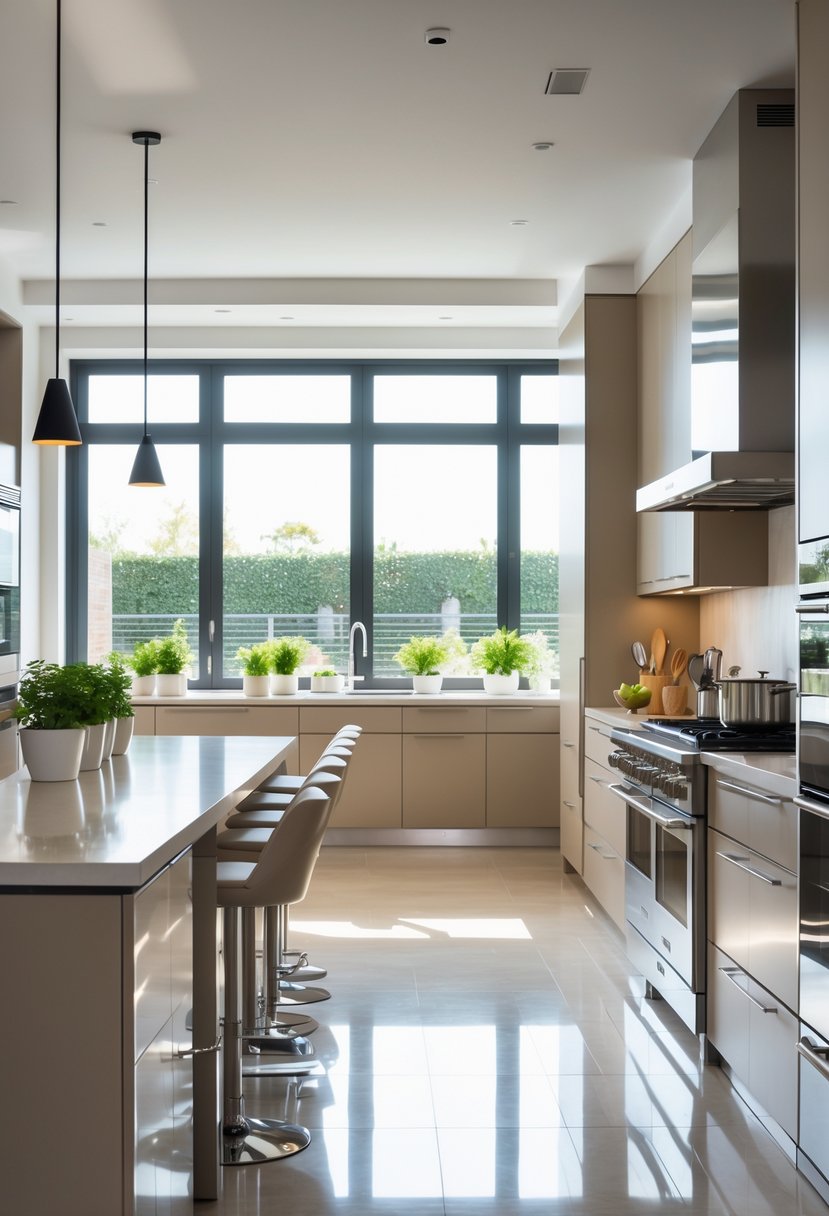
Designing a kitchen involves choices about cabinetry styles, space use, color schemes, and functional elements like islands and lighting. Materials and finishes also play a major role in achieving both style and durability.
What are some modern trends in kitchen cabinetry design?
Modern cabinetry often features flat-panel doors for a sleek look. Matte finishes and handleless designs continue to grow in popularity for a clean, minimalist style.
Open shelving mixed with closed cabinets is common to display decor while keeping storage neat. Two-tone cabinets, combining light and dark colors, add visual interest.
How can I maximize space in a small kitchen design?
Using vertical space with tall cabinets helps increase storage without taking up floor space. Pull-out shelves and corner units make accessing items easier.
Compact appliances and multi-functional furniture, like foldable tables, save room. Keeping the layout open and using lighter colors can make the space feel larger.
What are the best color schemes for kitchen walls and decor?
Neutral colors such as white, beige, and grey are popular choices. They create a bright and versatile backdrop for different styles.
Bold accent colors like navy or forest green add depth when used on walls or cabinetry. Soft pastels can bring warmth and a fresh look.
How can I incorporate a kitchen island into my interior design?
Islands serve as extra prep space, seating, or storage. Its size should fit comfortably in the kitchen layout without blocking traffic flow.
Designers often use contrasting materials or colors on the island to make it a focal point. Including electrical outlets and under-counter storage improves functionality.
What materials and finishes are popular for kitchen countertops and backsplashes?
Quartz and granite are favored for their durability and low maintenance. They come in many colors and patterns to suit different designs.
For backsplashes, ceramic and glass tiles remain common for their easy cleaning and style options. Metal finishes like stainless steel offer a modern industrial feel.
How can I effectively light my kitchen for both function and ambiance?
Layered lighting is essential. Bright overhead lights ensure safe cooking, while under-cabinet lights illuminate work areas.
Pendant lights over islands add style and focused light. Dimmer switches help adjust the ambiance for meals or entertaining.
