
The decision to begin gardening represents an investment in personal wellness, environmental stewardship, and the aesthetic enhancement of your living space. For those new to this rewarding pursuit, the array of decisions—what to plant, where to locate beds, which tools to acquire—can initially seem overwhelming. This guide provides structured guidance for gardening for beginners, establishing fundamental knowledge that supports successful cultivation regardless of available space or previous experience.
Gardening offers tangible returns that extend beyond harvest yields. The physical activity involved provides moderate exercise, while time spent outdoors contributes to mental well-being. Observing the progression from seed to mature plant delivers satisfaction that few other hobbies can match. With appropriate preparation and realistic expectations, beginners can experience these benefits during their first growing season.
Assessing Your Growing Environment
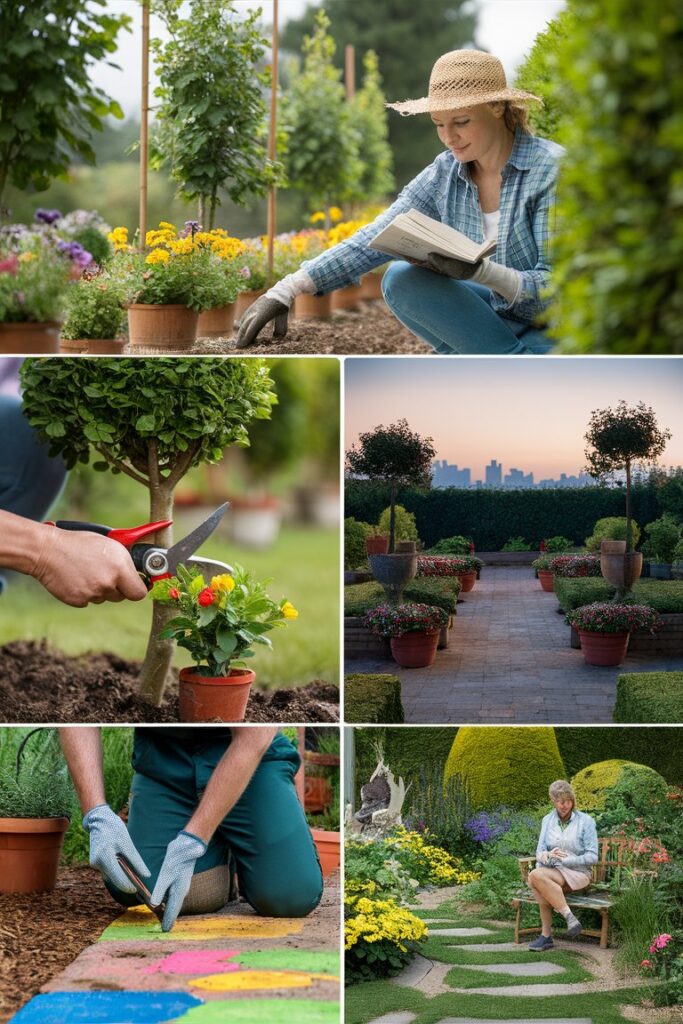
Before purchasing plants or seeds, careful evaluation of your available space prevents common disappointments. Different plants require different conditions, and matching species to existing site characteristics significantly improves success rates.
Sunlight exposure represents the most critical environmental factor. Observe potential garden areas throughout the day, noting how many hours of direct sunlight each receives. Leafy vegetables such as lettuce and spinach tolerate partial shade, while fruiting plants including tomatoes and peppers require six to eight hours of direct sun daily. Accurate sunlight assessment prevents the frustration of plants that fail to thrive despite proper care.
Soil quality similarly influences plant health. Container gardeners can control growing medium completely, but those planting directly in ground should evaluate existing soil composition. Sandy soils drain rapidly and require more frequent watering and fertilization. Clay soils retain moisture but may become waterlogged and restrict root development. Adding organic matter such as compost improves both extremes, enhancing drainage in clay while increasing water retention in sand.
Selecting Appropriate Cultivation Methods
Beginning gardeners benefit from matching cultivation approaches to available space, time commitments, and physical capabilities. Several methods accommodate varying circumstances while providing accessible entry points to the activity.
Container Gardening for Limited Spaces
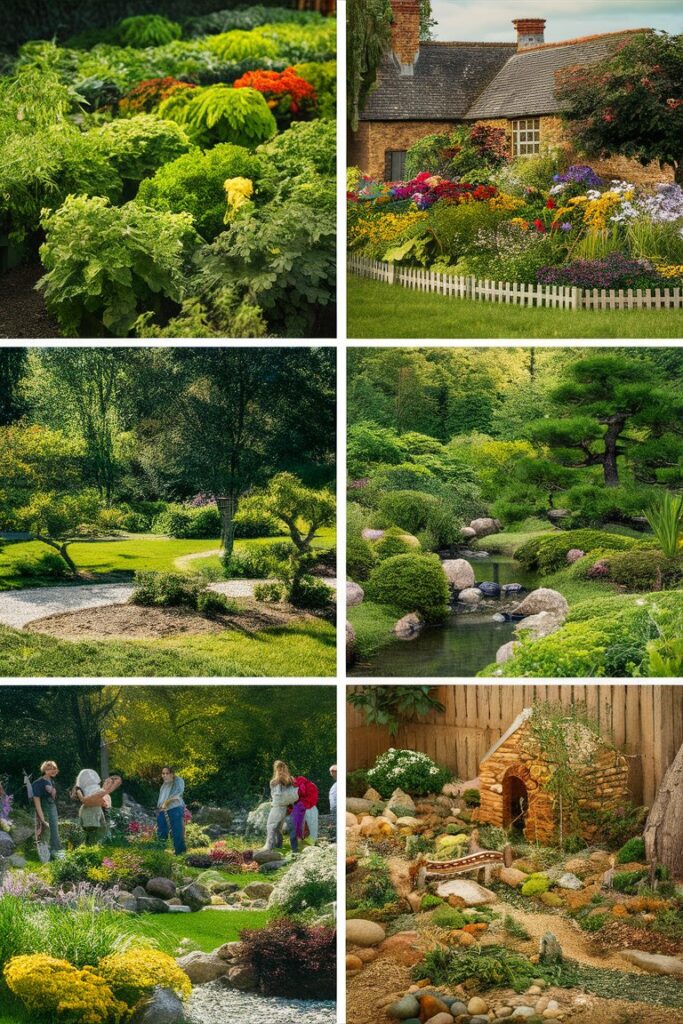
Container gardening offers ideal entry for those with restricted outdoor areas. Patios, balconies, and small yards can accommodate numerous plants in pots, provided containers offer adequate drainage and sufficient volume for root development. Nearly any vegetable, herb, or flower adapts to container culture when appropriately matched to pot size.
Five-gallon buckets serve well for tomatoes and peppers, while window boxes accommodate herbs and leafy greens. Self-watering containers reduce maintenance requirements for gardeners with busy schedules. The portability of containers represents significant advantage, allowing plants to be relocated as sunlight patterns shift or weather conditions change.
Square Foot Gardening for Efficient Production
Square foot gardening maximizes productivity in minimal space through systematic bed organization. This method divides growing areas into one-foot squares, each planted with specific numbers of plants based on mature size. A single square might contain one tomato, four lettuce heads, or sixteen carrots, depending on spacing requirements.
The intensive planting approach characteristic of square foot gardening reduces weed pressure while simplifying maintenance. Raised beds prove particularly suitable for this method, providing clear spatial divisions and improved soil conditions. Beginners appreciate the straightforward planting formulas and predictable harvests this system delivers.
Vertical Gardening for Space Optimization
Vertical gardening exploits overhead space for plant production, proving particularly valuable for those with extremely limited ground area. Trellises, arbors, and wall-mounted systems support climbing vegetables including peas, beans, and cucumbers while adding visual interest to outdoor spaces.
Cucumbers trained vertically produce straighter fruits less susceptible to disease, as improved air circulation reduces foliage moisture. Pole beans continue producing over extended periods compared to bush varieties when provided adequate support. Even vining flowers such as morning glories contribute to vertical garden aesthetics while attracting pollinators.
Essential Equipment and Supplies
Beginning gardeners require relatively modest equipment investments. Acquiring quality gardening tools appropriate to intended tasks prevents frustration and physical strain during planting and maintenance activities.
Basic tool requirements include:
- Hand trowel for planting transplants and working soil in containers
- Pruning shears for harvesting and removing spent foliage
- Garden fork for loosening soil and incorporating amendments
- Watering device appropriate to garden scale (watering can for containers, hose with wand for larger areas)
- Garden gloves protecting hands from blisters, thorns, and soil-borne irritants
Additional equipment may include seed-starting supplies for those beginning plants indoors, row covers for season extension, and supports for climbing or heavy-fruiting plants. Acquiring tools gradually as specific needs emerge proves more economical than purchasing comprehensive sets containing rarely used items.
Plant Selection for Beginning Gardeners
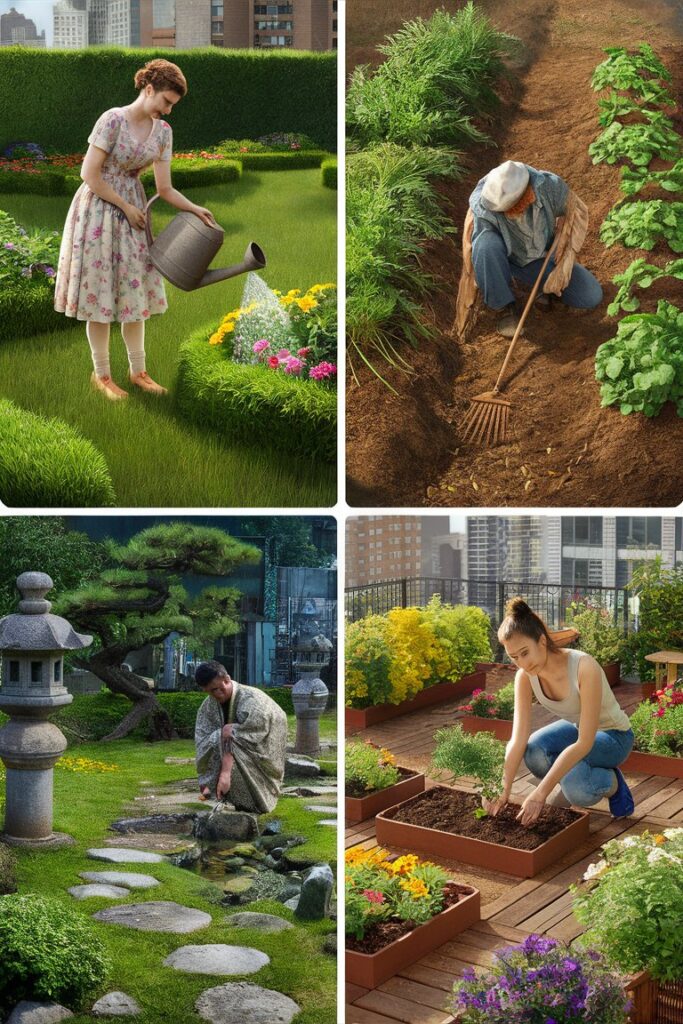
Choosing appropriate plants significantly influences first-year success. Certain species prove exceptionally forgiving of beginner errors, providing harvests despite imperfect conditions.
Vegetables suitable for beginners include:
- Leafy greens (lettuce, spinach, kale) that tolerate some neglect and provide continuous harvests
- Radishes maturing in as few as twenty-five days, delivering quick gratification
- Bush beans producing abundantly with minimal intervention
- Cherry tomatoes offering reliable yields and disease resistance compared to large-fruited varieties
- Herbs including basil, mint, and rosemary requiring little maintenance
Consulting local extension services or experienced neighborhood gardeners reveals varieties particularly suited to regional conditions. Planting schedules should account for local frost dates, with warm-season crops installed after danger of frost passes and cool-season selections planted for spring and autumn harvest.
Soil Preparation and Planting Techniques
Proper soil preparation establishes foundation for plant health throughout the growing season. Container gardeners should select high-quality potting mixes specifically formulated for container culture rather than garden soil, which compacts excessively in pots.
In-ground gardens benefit from soil testing to identify pH and nutrient deficiencies requiring correction. Most vegetables prefer slightly acidic soil with pH between 6.0 and 7.0. Adding compost or aged manure improves soil structure while providing slow-release nutrition supporting sustained growth.
Planting techniques vary by species and transplant type. Seed packets provide depth and spacing recommendations specific to each variety. Transplants should be installed at depths matching their container soil level, with careful firming to eliminate air pockets followed by thorough watering to settle soil around roots.
Watering Fundamentals
Consistent moisture proves essential for plant health, yet overwatering represents common beginner error. Soil should remain evenly moist but never saturated, as waterlogged conditions restrict oxygen availability to roots and encourage disease development.
Container plants require more frequent watering than in-ground gardens, sometimes daily during hot weather. Checking soil moisture by inserting finger to second knuckle provides reliable guidance—water when soil feels dry at that depth. Morning watering proves preferable to evening applications, as foliage dries quickly, reducing disease pressure.
Engaging Children in Garden Activities
Gardening for kids offers educational opportunities extending far beyond plant cultivation. Children participating in garden activities develop understanding of food sources, experience scientific principles firsthand, and often show increased willingness to taste vegetables they have helped grow.
Assigning children specific responsibilities appropriate to their developmental stages builds investment in garden outcomes. Young children can assist with planting large seeds, watering with supervised containers, and harvesting mature crops. Older children may manage independent garden sections, tracking plant development and making cultivation decisions.
Simple projects particularly appeal to young gardeners. Radishes and beans germinate quickly, maintaining child attention through rapid visible changes. Sunflowers reach impressive heights, capturing imagination while demonstrating plant growth potential. Cherry tomatoes offer sweet rewards appealing to young palates, encouraging continued garden engagement.
Exploring Creative Gardening Ideas
As confidence develops, gardeners may explore gardening ideas extending beyond conventional vegetable production. Thematic gardens add interest while focusing plant selection around specific concepts.
Pizza gardens arrange tomatoes, peppers, basil, and oregano in circular beds reminiscent of their intended culinary destination. Salsa gardens combine tomatillos, onions, cilantro, and hot peppers. Tea gardens feature chamomile, mint, lemon balm, and other herbs suitable for steeping. Such focused collections simplify plant selection while delivering coordinated harvests supporting specific kitchen activities.
Pollinator gardens prioritize plants attracting bees, butterflies, and beneficial insects. These gardens support local ecosystems while ensuring adequate pollination for nearby vegetable crops. Native plants prove particularly valuable in pollinator gardens, having evolved alongside local insect populations.
Maintenance Throughout the Growing Season
Consistent attention maintains garden productivity while preventing small problems from escalating. Weekly garden walks allow early identification of pest issues, nutrient deficiencies, or water stress before significant damage occurs.
Weeding proves most effective when performed regularly, removing competing vegetation before it establishes deep root systems. Mulching with straw, wood chips, or leaf litter suppresses weed germination while moderating soil temperature and moisture.
Fertilization requirements vary by crop and soil conditions. Leafy greens benefit from nitrogen-rich applications supporting foliage production. Fruiting vegetables require balanced nutrition including adequate phosphorus and potassium for flower and fruit development. Container plants need more frequent fertilization than in-ground gardens, as nutrients leach through drainage holes with each watering.
Conclusion
Beginning gardening represents entry into activity rewarding practitioners with fresh produce, outdoor engagement, and connection to natural cycles. Success in initial seasons depends on matching plant choices to site conditions, selecting appropriate cultivation methods, and maintaining consistent attention to watering and maintenance requirements.
The most valuable resource for new gardeners remains observation—watching how plants respond to conditions, noting which varieties thrive, and learning from both successes and disappointments. Each season builds knowledge applicable to subsequent years, gradually transforming beginners into experienced cultivators capable of increasingly ambitious projects.
Whether working with container gardens on apartment balconies or extensive in-ground beds, gardeners participate in ancient tradition connecting humans to land and food. The harvests, whether abundant or modest, carry particular satisfaction derived from personal effort and attention throughout the growing season.
