
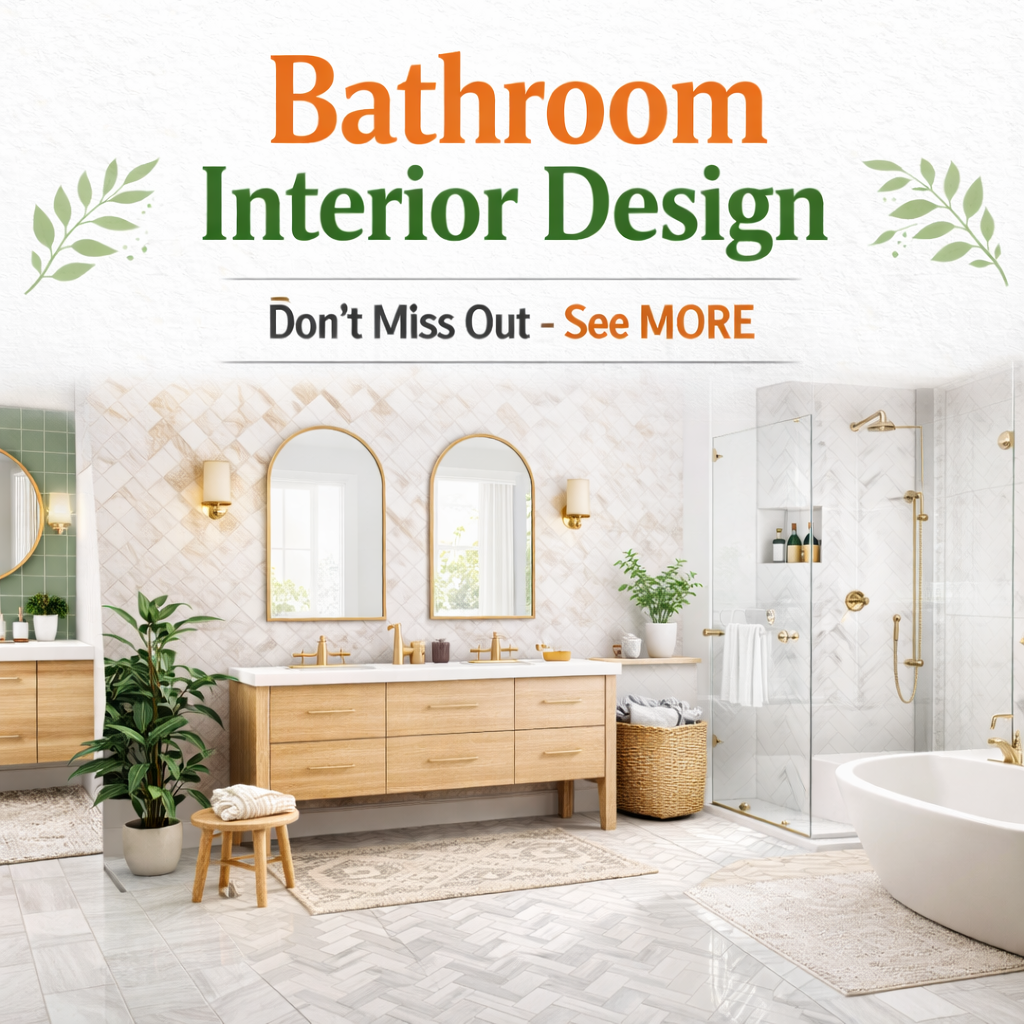
The bathroom has evolved from purely functional space to personal sanctuary. It’s where days begin and end, where we steal moments of solitude, and where thoughtful design transforms routine into ritual. Yet many homeowners struggle to translate their interior design aspirations into bathrooms that balance beauty with practical demands of moisture, daily use, and limited square footage.
Successful bathroom interior design considers both form and function, creating spaces that feel luxurious while performing flawlessly. Whether you’re planning complete renovation or seeking inspiration for future projects, understanding fundamental principles helps navigate countless decisions ahead.
Establishing Your Design Direction
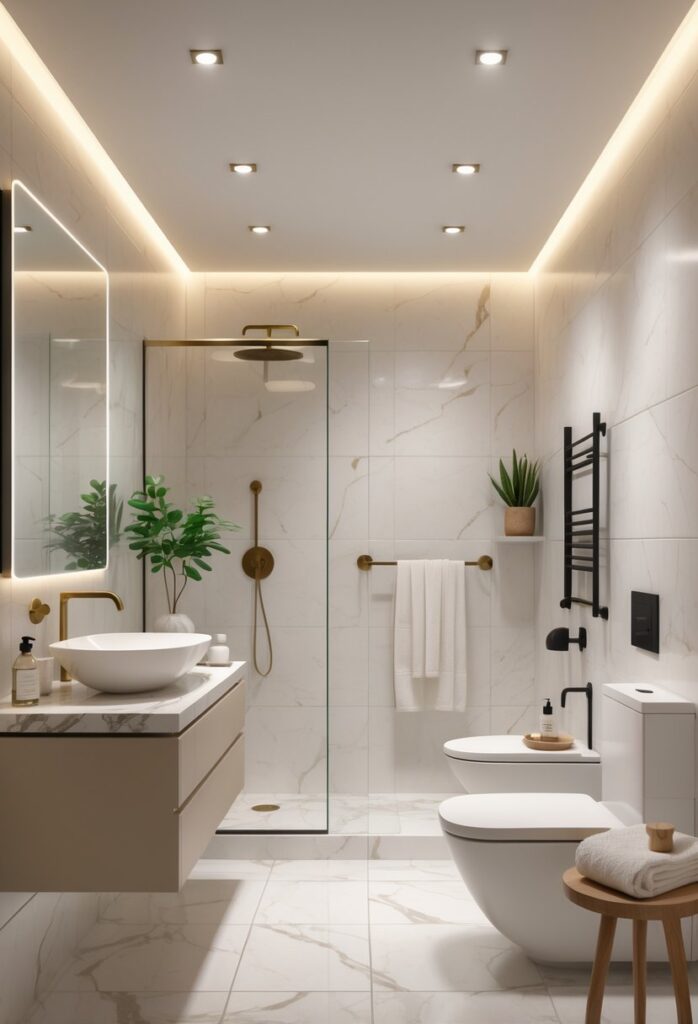
Before selecting fixtures or finishes, clarify the overall vision guiding your bathroom transformation. This foundation ensures cohesive results rather than collection of mismatched elements.
Defining Your Style Preferences
Interior design styles range from minimalism to maximalism, each translating differently to bathroom applications. Browse publications and online platforms collecting images resonating with your aesthetic. Notice patterns emerging—consistent colors, materials, or forms revealing preferences.
Modern approaches emphasize clean lines, minimal ornamentation, and honest material expression. Floating vanities, frameless glass, and large-format tiles characterize contemporary bathrooms. Traditional designs embrace detailed cabinetry, classic fixtures, and warm material palettes creating timeless appeal.
Transitional styles bridge contemporary and traditional through balanced compositions. Clean-lined fixtures paired with warm wood tones. Simple cabinetry with classic hardware. This approach offers flexibility while maintaining coherent direction.
Considering Architectural Context
Your bathroom exists within larger home whose architectural character should inform design decisions. Mid-century homes warrant different approaches than Victorian renovations or new construction. Respect existing context while expressing personal preference.
House design interior coherence matters even behind closed doors. Bathrooms opening from interior design living room spaces should relate to adjacent aesthetics. Primary suites connecting to bedrooms via open doorways benefit from visual connection with sleeping spaces.
Space Planning Fundamentals
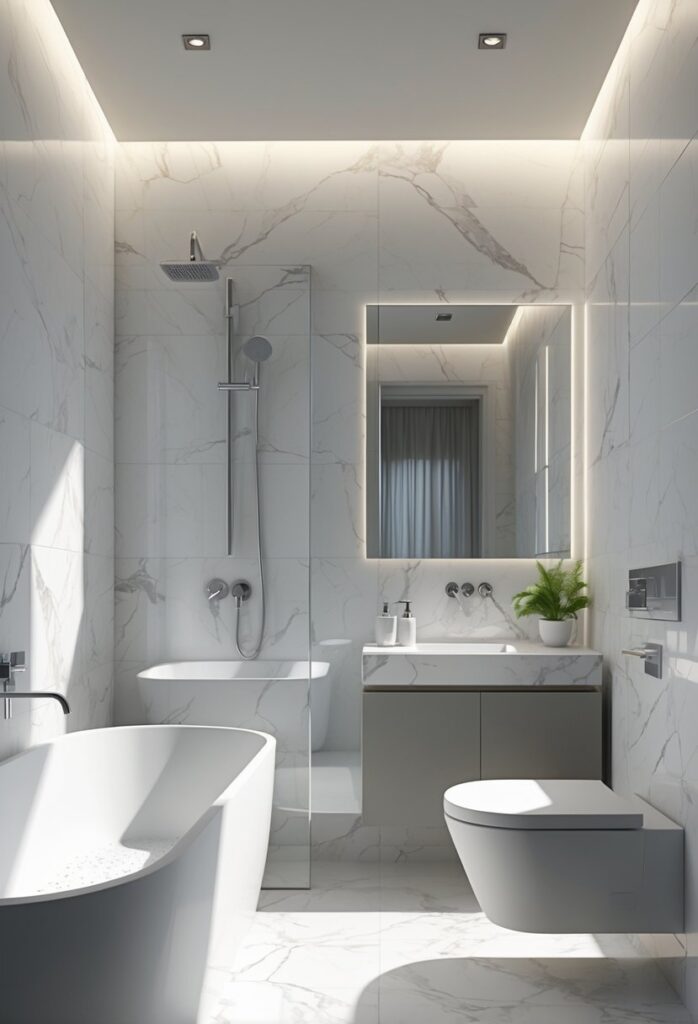
Bathroom layouts must accommodate essential functions while maintaining comfortable circulation. Understanding minimum dimensions prevents costly mistakes during planning.
Fixture Clearances
Standard clearances ensure usability. Toilets require fifteen inches minimum from centerline to adjacent walls or fixtures. Vanities need thirty inches clear in front for comfortable use. Showers should provide at least thirty-six inches interior dimension for comfortable washing.
Small bathroom strategies maximize limited square footage through careful planning. Corner sinks, wall-mounted toilets, and curbless showers reduce space consumption while maintaining function. Pocket doors eliminate swing clearance requirements.
Zoning for Function
Well-designed bathrooms organize functions into distinct zones. Grooming areas centered at vanities. Bathing zones around tubs and showers. Drying and dressing spaces near towel storage. Clear zoning improves both function and traffic flow.
Kids room interior design considerations apply differently to bathrooms. Family bathrooms serving children need durable surfaces, accessible storage, and safety features including non-slip flooring and temperature regulation.
Material Selection for Performance and Beauty
Bathroom materials face demanding conditions requiring careful selection. Moisture, temperature fluctuations, and cleaning products challenge surfaces daily.
Flooring Considerations
Bathroom interior design demands flooring materials resistant to moisture while providing comfort underfoot. Porcelain and ceramic tile dominate for good reason—they withstand moisture indefinitely while offering endless style options.
Natural stone adds luxury but requires sealing and careful maintenance. Luxury vinyl offers waterproof performance with softer feel and easier installation. Heated floors beneath any material add comfort justifying investment in primary bathrooms.
Wall Treatments
Tile remains preferred wall covering for wet areas, but bathrooms increasingly incorporate varied materials. Moisture-resistant paint in appropriate sheens works well for powder rooms and vanity walls away from direct water exposure.
Wallpaper designed for high-moisture applications expands decorative possibilities. These products withstand bathroom conditions while offering pattern and texture impossible with tile. Apply in well-ventilated areas away from direct spray.
Countertop Materials
Vanity surfaces must resist water, cosmetics, and cleaning products. Quartz offers non-porous durability with consistent appearance. Natural stone provides unique character requiring periodic sealing. Solid surfacing materials integrate sinks seamlessly for easy cleaning.
Storage Solutions for Organized Spaces
Bathroom interior design must accommodate storage needs often underestimated during planning. Insufficient storage leads to counter clutter compromising both function and appearance.
Vanity Configurations
Vanities present primary storage opportunity in most bathrooms. Drawers prove more functional than cabinets, allowing organized access to contents without reaching into dark spaces. Deep drawers accommodate hair tools and bulk items; shallow drawers organize cosmetics and toiletries.
Wardrobe interior design principles apply to bathroom storage through tall cabinets maximizing vertical space. Linen towers adjacent vanities store towels and supplies efficiently. Recessed medicine cabinets utilize wall thickness for additional storage without consuming floor area.
Built-In Niches
Shower niches provide dedicated space for bathing products while eliminating caddy clutter. Coordinate niche placement with tile layout for integrated appearance. Include slight slope toward drain preventing water accumulation.
TV unit interior design concepts translate to bathroom media integration for those seeking entertainment during extended bathing. Waterproof televisions, hidden speakers, and device charging stations within cabinetry accommodate modern technology needs.
Lighting Design for Function and Atmosphere
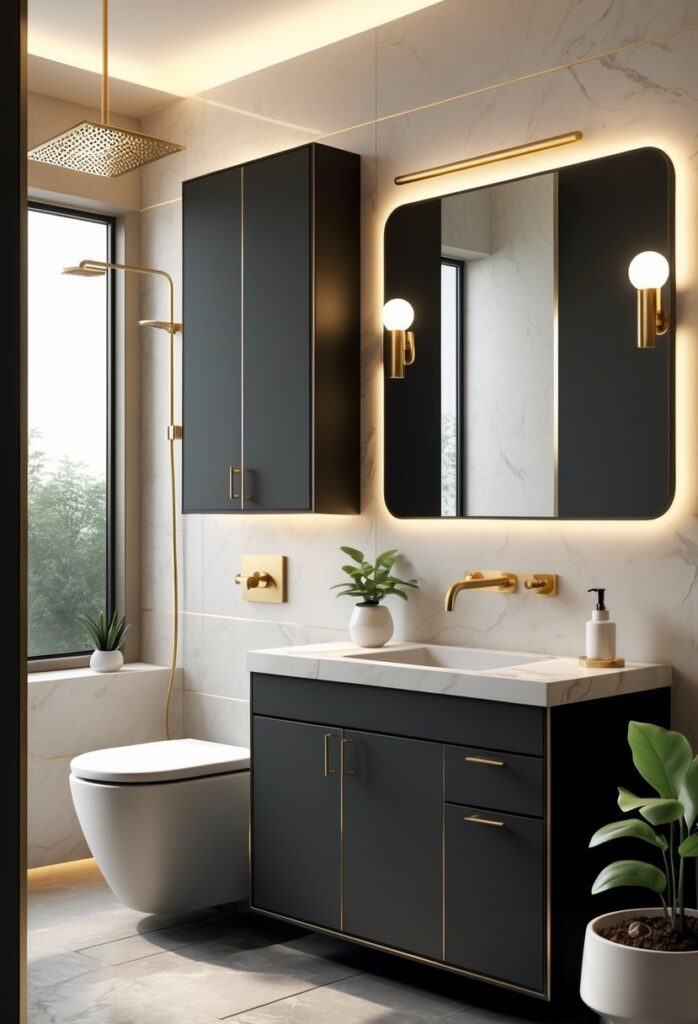
Bathroom lighting must serve multiple purposes—task illumination for grooming, ambient light for atmosphere, and accent lighting highlighting architectural features.
Layered Lighting Approach
Successful schemes incorporate multiple light sources rather than single fixture. Overhead lighting alone creates unflattering shadows inadequate for grooming tasks. Combine ceiling fixtures with vanity lighting, shower lights, and accent illumination for balanced results.
Vanity lighting should minimize shadows on face during grooming. Vertical fixtures flanking mirrors provide best illumination. Light bars above mirrors work when sufficiently wide. Avoid single fixture above center casting downward shadows.
Natural Light Integration
Windows connect bathrooms to outdoors while providing essential ventilation. Privacy concerns require thoughtful glass selection—frosted, textured, or obscured glazing maintains light transmission while screening views. Skylights introduce overhead light without wall openings.
Plumbing Fixtures as Design Elements
Fixtures contribute significantly to bathroom character while performing essential functions. Selection deserves attention commensurate with investment.
Faucet and Shower Configurations
Faucet styles should coordinate with overall design direction while providing appropriate function. Vessel sinks require tall faucets clearing bowl rims. Undermount sinks accommodate widespread or centerset configurations based on available deck space.
Shower systems range from basic single-function to multi-outlet experiences including overhead rain heads, hand showers, and body sprays. Each outlet requires adequate water pressure and volume for satisfactory performance.
Toilet Selection
Toilet technology has advanced significantly. Wall-hung models simplify floor cleaning while adding contemporary appearance. Comfort-height toilets accommodate aging users and those with mobility concerns. Dual-flush mechanisms conserve water without sacrificing performance.
Coordinating with Adjacent Spaces
Bathrooms relate to surrounding rooms in ways affecting design decisions. Consider these connections during planning.
Primary Suite Integration
Primary bathrooms opening directly to bedrooms benefit from visual continuity. Coordinate material palettes and design approaches between spaces for seamless transition. Interior design living room concepts about flow and connection apply equally to bedroom-bathroom relationships.
Kitchen and Bath Parallels
Interior design kitchen and bathroom decisions often parallel each other through shared material and finish selections. Consistent cabinet styles, countertop materials, and hardware throughout home creates unified character. Carrying kitchen quartz into bathroom vanity coordinates spaces efficiently.
Special Considerations by Bathroom Type
Different bathroom types present unique design opportunities and constraints.
Powder Room Design
Half bathrooms and powder rooms accommodate bolder design than full bathrooms. Without shower moisture concerns, these spaces welcome wallpaper, delicate fixtures, and artistic expressions. Make these compact spaces memorable through confident design choices.
Family Bathroom Planning
Bathrooms serving children need durable surfaces, accessible storage, and safety features. Non-slip flooring, temperature-limited fixtures, and step stools integrated into cabinetry accommodate growing families. Designs should transition gracefully as children mature.
Accessible Design Integration
Universal design principles benefit users regardless of age or ability. Curbless showers, grab bar blocking installed during construction, and lever handles accommodate changing needs without institutional appearance. Thoughtful integration maintains style while providing future flexibility.
Conclusion
Bathroom interior design transforms essential spaces into personal retreats supporting daily rituals while expressing individual style. Success requires balancing aesthetic aspirations with practical demands of moisture, function, and maintenance.
Begin with clear vision of desired character—whether serene spa, bold statement, or timeless traditional. Develop layouts respecting fixture clearances while optimizing available space. Select materials performing reliably under bathroom conditions while delivering intended appearance.
The most successful bathrooms reward careful planning with daily pleasure and lasting satisfaction. Your thoughtful attention to each decision creates space serving practical needs while nourishing spirit through beauty and comfort.
