
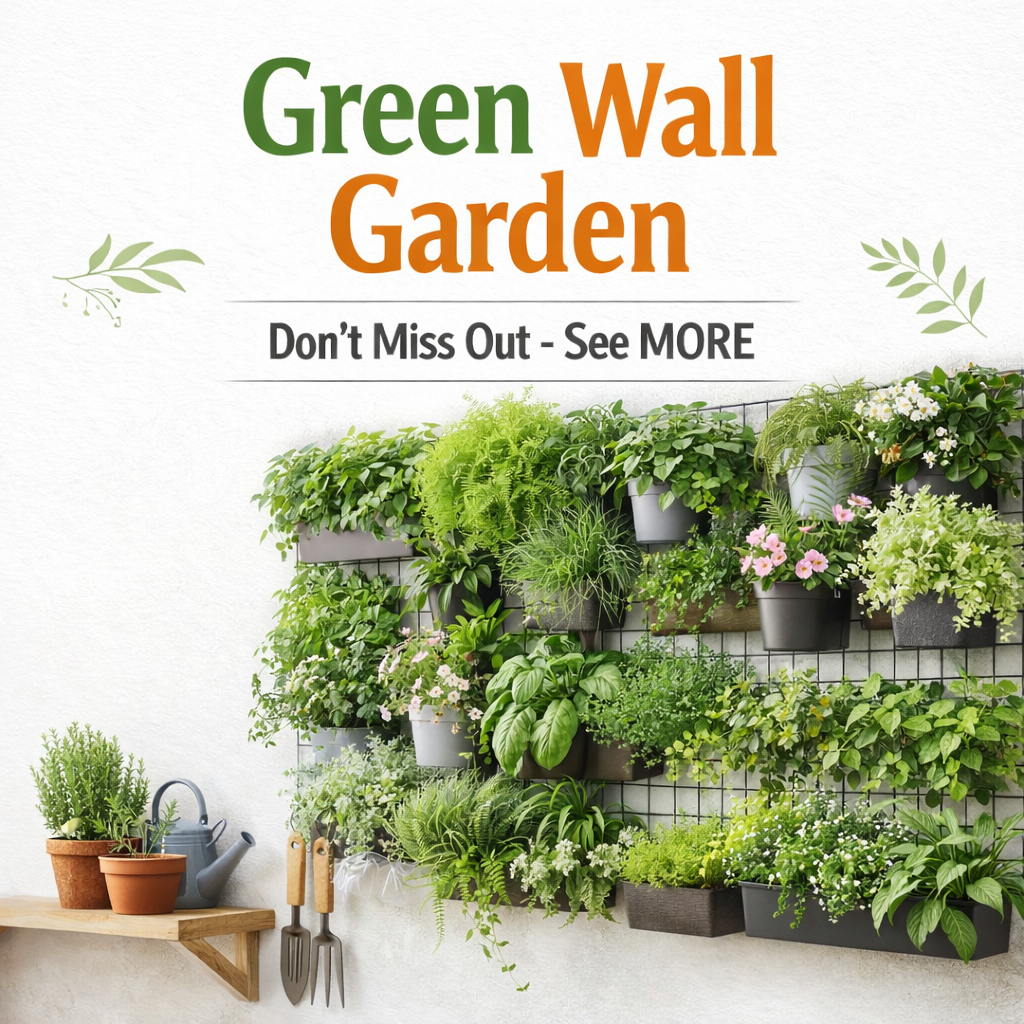
The concept of the green wall garden has revolutionized how we think about planting spaces. No longer confined to horizontal expanses of soil, gardens now climb walls, cover facades, and transform bare vertical surfaces into thriving ecosystems. These living walls offer solutions for urban dwellers with limited ground space, homeowners seeking dramatic visual impact, and environmentally conscious individuals interested in improving air quality and biodiversity.
A green wall, also known as a living wall or vertical garden, differs from simple climbing plants trained against structures. These sophisticated systems incorporate irrigation, growing medium, and carefully selected plantings arranged in intentional compositions. The result transforms architecture while providing environmental benefits extending far beyond aesthetic enhancement.
Understanding Vertical Garden Wall Systems
Before embarking on green wall installation, understanding available systems ensures appropriate selection for specific conditions and goals. Vertical garden wall approaches range from simple modular systems to complex engineered installations requiring professional design and maintenance.
Modular panel systems represent most accessible entry point for residential applications. Pre-planted panels attach directly to walls, with integrated irrigation delivering water and nutrients to each planting cell. These systems suit do-it-yourself installation while providing reliable results for gardeners of varying experience levels.
Felt pocket systems utilize geotextile fabric pockets attached to waterproof backing. Plants root directly into felt material, which wicks moisture throughout root zones. These lightweight systems suit interior applications where weight considerations prove critical, though they require more frequent irrigation than soil-based alternatives.
Tray systems incorporate individual planting containers arranged in grid formations. Each tray contains soil or soilless medium supporting wider plant variety than fabric systems. Individual tray removal simplifies plant replacement and maintenance, proving particularly valuable for edible gardens requiring seasonal crop rotation.
Structural Considerations for Successful Installation
Green walls impose significant weight and moisture loads on supporting structures. Thorough assessment prevents damage while ensuring long-term installation success.
Weight calculations must account for saturated growing medium, plants at maturity, water within irrigation systems, and structural components. Fully saturated modular walls weigh considerably more than dry installations, requiring professional engineering assessment for substantial projects.
Waterproofing protects building envelopes from moisture damage. Professional-grade membranes behind growing systems direct irrigation and rainfall to drainage channels rather than allowing water penetration into wall assemblies. Existing walls may require additional waterproofing before green wall installation proceeds.
Access considerations affect maintenance feasibility. Walls requiring regular pruning, plant replacement, and system inspection need safe access methods appropriate to installation height. Ground-level walls prove most manageable for DIY gardeners, while upper-story installations may justify professional maintenance contracts.
Garden Wall Decor Through Plant Selection
Living walls function as dynamic garden wall decor evolving throughout seasons. Plant selection determines visual character, maintenance requirements, and ecological benefits delivered by installation.
Foliage variety creates textural interest through leaf size, shape, and color contrast. Large-leaved specimens provide dramatic accents against fine-textured backgrounds. Variegated foliage introduces pattern variation without relying on flowers for visual impact. Silver and gray foliage reflects light, brightening shaded wall positions.
Flowering specimens add seasonal color while supporting pollinators. Selecting plants with successive bloom periods ensures continuous color throughout growing season. Native flowering plants prove particularly valuable for supporting local pollinator populations requiring specific nectar and pollen sources.
Edible plantings transform green walls into productive food sources. Culinary herbs thrive in vertical systems, their modest root requirements matching available space. Strawberries, salad greens, and compact vegetable varieties adapt successfully to vertical culture when provided adequate irrigation and nutrition.
Garden Wall Designs for Various Applications
Different contexts require distinct garden wall designs addressing specific conditions and objectives. Matching design approach to site conditions ensures successful outcomes regardless of project scale.
Full coverage designs aim for complete wall concealment behind living material. These installations create dramatic impact while maximizing environmental benefits including insulation and air filtration. Dense plantings require substantial irrigation and maintenance but deliver immersive green experience transforming entire spaces.
Patterned arrangements use plants as design elements within larger compositions. Alternating foliage colors, textures, or species creates visual rhythm across wall surfaces. Geometric patterns suit contemporary architecture where structured appearance complements clean lines.
Accent installations incorporate green wall elements within traditionally finished spaces. Small living wall panels framed by painted or tiled surfaces introduce living elements without overwhelming existing design. These modest installations prove particularly suitable for interior applications where full coverage proves impractical.
Retaining Wall Garden Integration
Retaining wall garden applications present unique opportunities and challenges. Structural walls holding back soil grades can incorporate planting elements softening their appearance while stabilizing slopes.
Pocket planting within retaining wall systems introduces vegetation directly into wall face. Specialized block systems include cavities supporting plant growth while maintaining structural integrity. Cascading plants soften wall lines while root systems contribute to slope stabilization.
Crowning plantings atop retaining walls soften hard lines while rooting into soil behind wall structure. Trailing specimens spill over wall faces, gradually concealing structural materials beneath living curtain. This approach suits existing walls where face modification proves impractical.
Tiered combinations place retaining wall gardens within larger planted contexts. Multiple wall levels create planting terraces accommodating varied species requiring different light and moisture conditions. Tiered approaches prove particularly effective on sloped properties requiring extensive grade management.
Garden Wall Art Integration
Living walls need not exclude traditional decorative elements. Garden wall art incorporated within or adjacent to green installations adds personal expression while creating focal points within planted compositions.
Sculptural elements emerging from living walls introduce three-dimensional interest contrasting organic forms. Weather-resistant materials including stone, metal, and treated wood withstand moisture conditions while developing character over time. Positioning sculptures where they remain visible through foliage requires consideration of plant growth patterns.
Mirrored accents strategically placed within green walls reflect surrounding plantings while adding depth to compositions. Mirror placement should consider both visual effect and practical maintenance access. Frosted or textured mirror options reduce glare while maintaining reflective quality.
Light integration extends garden wall enjoyment into evening hours. Garden wall lights mounted within or adjacent to plantings illuminate foliage after dark, creating dramatic effects while improving safety for adjacent circulation areas.
Maintenance Requirements for Long-Term Success
Living walls require consistent attention exceeding conventional garden maintenance. Understanding commitment before installation prevents disappointment while ensuring planted walls thrive.
Irrigation management proves critical for vertical gardens where gravity works against uniform water distribution. Automated systems with timers ensure consistent moisture while reducing daily intervention requirements. Regular system inspection identifies clogged emitters or distribution problems before plant stress occurs.
Pruning and grooming maintains desired appearance while preventing overgrowth shading lower plantings. Vertical gardens often require more frequent trimming than ground plantings, as vigorous specimens quickly overwhelm neighbors when unchecked. Access considerations affect pruning ease and frequency.
Fertilization replaces nutrients leached by frequent irrigation. Liquid fertilizers applied through irrigation systems deliver nutrition efficiently while allowing concentration adjustment based on seasonal growth patterns. Slow-release granular options suit certain system types but prove difficult to apply evenly across vertical surfaces.
Plant replacement eventually becomes necessary as specimens mature or decline. Individual plant access varies by system type, with modular tray designs simplifying replacement compared to pocket systems where plants root into shared medium. Planning for inevitable replacement ensures long-term appearance quality.
Environmental Benefits Beyond Aesthetics
Green wall garden installations deliver environmental benefits extending beyond visual enhancement. These contributions justify investment while supporting broader sustainability goals.
Temperature moderation results from evapotranspiration cooling adjacent spaces while insulating building envelopes. Exterior green walls reduce heat island effect in urban environments while lowering cooling loads for conditioned spaces behind plantings.
Air quality improvement occurs as plant foliage filters particulate matter while absorbing gaseous pollutants. Interior green walls demonstrate measurable air quality benefits, though significant impact requires substantial coverage relative to space volume.
Biodiversity support provides habitat and food sources for insects, birds, and other wildlife in urban environments where ground-level habitat proves limited. Selecting native and nectar-rich plants maximizes ecological contribution while supporting local food webs.
Stormwater management results from green walls intercepting rainfall before it reaches ground surfaces. Plants and growing medium absorb precipitation, reducing runoff volumes while delaying peak flow during storm events.
Conclusion
Green wall gardens represent sophisticated integration of horticulture and architecture, transforming bare vertical surfaces into living systems delivering aesthetic, environmental, and psychological benefits. Whether pursuing ambitious full-wall installations or modest accent panels, understanding available systems, structural requirements, and maintenance commitments ensures successful outcomes rewarding investment of resources and attention.
Begin by assessing site conditions including sunlight exposure, structural capacity, and access for maintenance. Research system options matching project scale and budget while providing appropriate support for desired plant varieties. Consult professionals for substantial installations where structural or irrigation complexity exceeds DIY capabilities.
The most successful green walls become integral components of their architectural contexts, evolving over time while maintaining designed intent. This evolution—plants growing, seasons changing, compositions maturing—represents living art’s unique contribution to built environments, connecting inhabitants to natural processes while enhancing spaces where we live, work, and gather.
