

Bathroom tile plays a crucial role in defining the overall look and feel of a bathroom. Choosing the right design can enhance both style and functionality, making the space more inviting and practical.
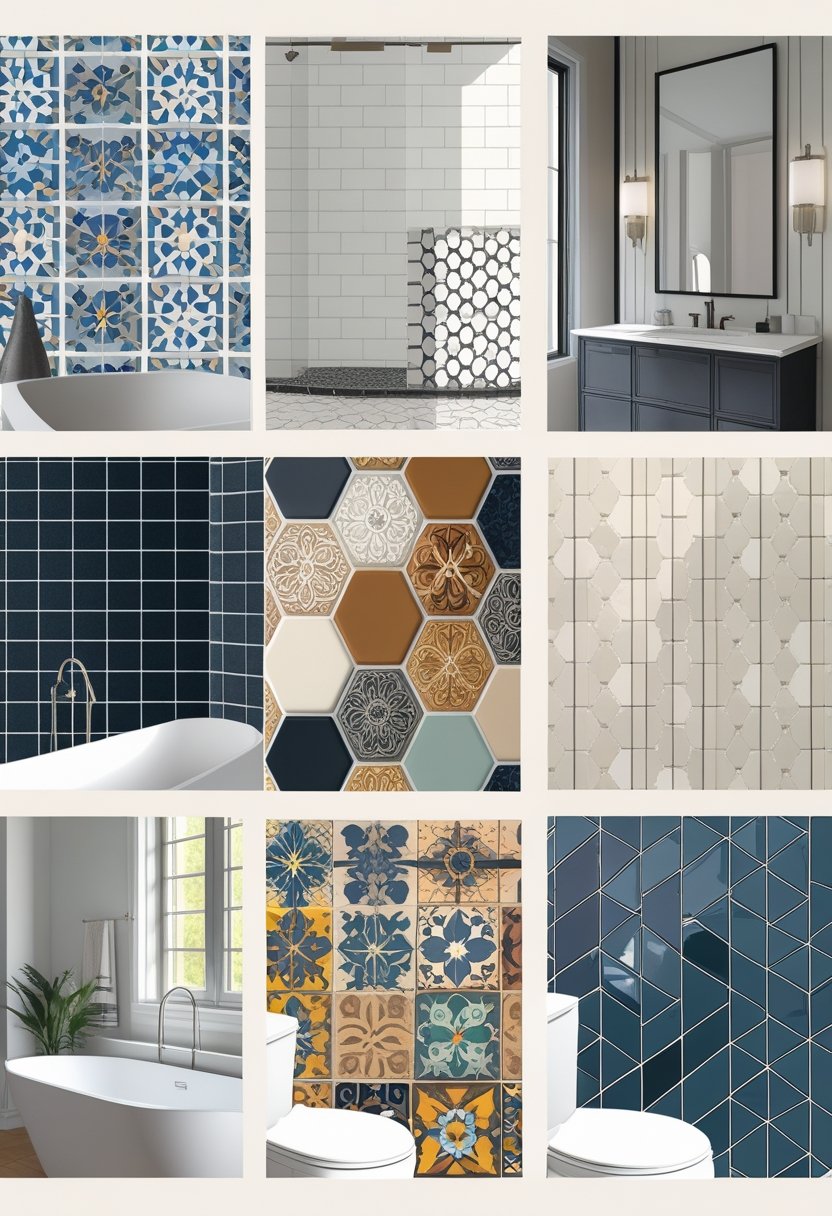
The purpose of exploring various bathroom tile design ideas is to help readers find options that suit their aesthetic preferences and meet practical needs. This article presents a selection of tile ideas that balance current trends with timeless appeal.
1) Marble hexagon tiles for a luxurious floor pattern
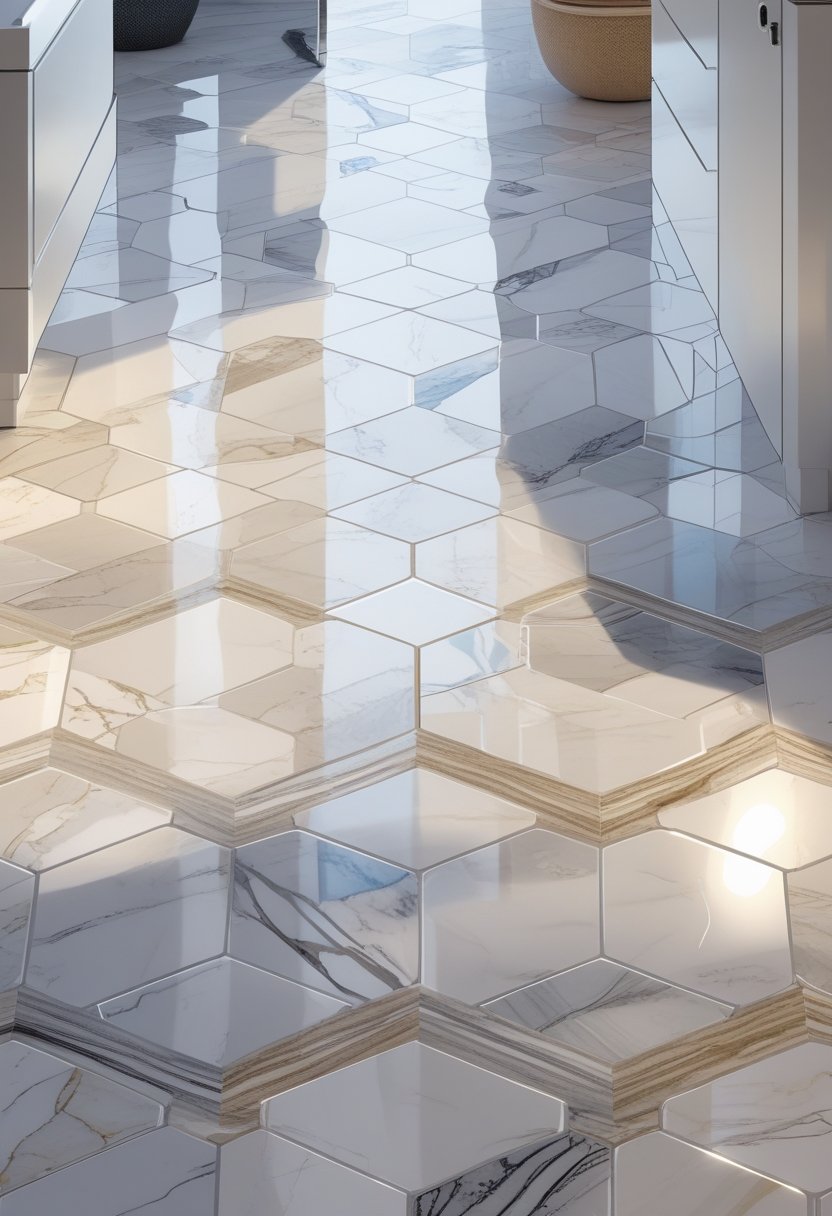
Marble hexagon tiles offer a blend of classic elegance and modern geometry. Their natural veining and smooth finish create a refined look that enhances bathroom floors with subtle sophistication. This tile shape adds visual interest without overwhelming the space.
The hexagonal pattern breaks away from traditional square tiles, providing a unique yet timeless design. Marble’s natural variations make each tile distinct, contributing to an artisanal feel in the bathroom. It works well in both large and small spaces, depending on the scale chosen.
Using marble hexagon tiles allows for versatile styling. They pair effectively with minimalist fixtures or darker accents, highlighting the tile’s veining and shape. This option suits those seeking a clean, upscale appearance with a focus on high-quality materials.
2) Subway tiles with colorful grout for a modern twist
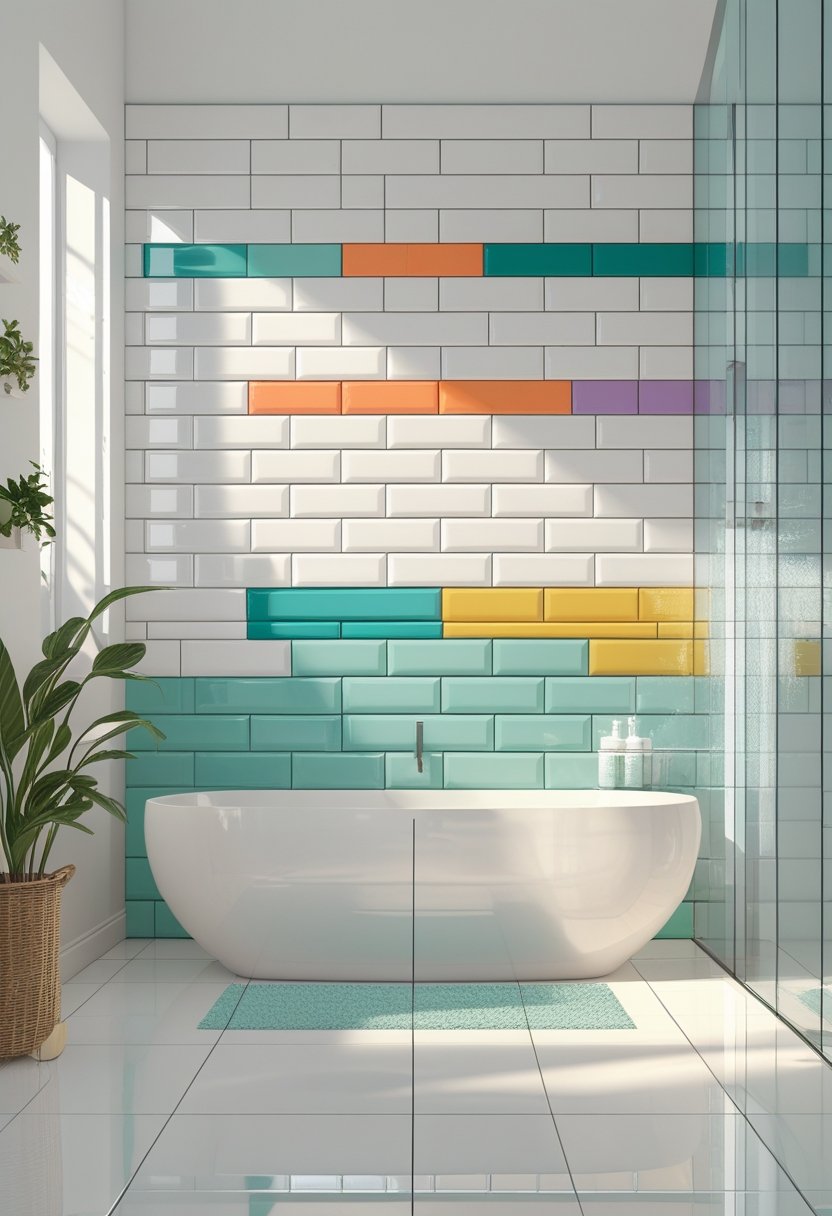
Using colorful grout with subway tiles is an effective way to add personality to a bathroom. It creates a clear contrast that highlights the classic rectangular shape of the tiles.
This approach can make a simple design feel fresh and contemporary. Popular grout colors include black, navy, or even shades like teal and coral, depending on the desired mood.
Color choices can define the space’s look—dark grout offers a bold, graphic effect, while lighter, vibrant hues bring playful energy. It works well on walls or backsplashes.
This technique maintains the clean lines and traditional appeal of subway tiles but updates the style without replacing the tile itself. It’s a low-commitment way to modernize a bathroom.
Colorful grout can also help mask dirt or discoloration better than white grout. This makes it functional as well as decorative in a high-use area like a bathroom.
3) Earthy zellige tiles for a textured, natural look
Earthy zellige tiles bring a warm, organic feel to bathroom spaces. Their natural tones, such as soft browns and muted terracotta, add subtle texture while maintaining a calming atmosphere. This makes them a strong choice for those seeking a grounded, nature-inspired design.
The handmade quality of zellige tiles means each piece has slight variations in shape and color. This irregularity creates depth and character that flat, uniform tiles cannot replicate. Over time, the tiles develop a patina and slight wear, enhancing their natural appeal.
Installing earthy zellige on a feature wall or as flooring can anchor the bathroom’s aesthetic. When paired with simple fixtures and natural elements like wood or greenery, the tiles complement a minimalist yet warm environment. Their tactile surface invites both visual and physical interaction.
The textured surface of zellige tiles also interacts well with light. Glossy finishes catch reflections differently on each tile, producing subtle visual movement. This dynamic quality keeps the space visually interesting without overwhelming it.
4) Classic mosaic tiles in vintage patterns
Classic mosaic tiles offer a timeless option for bathroom design. Their small, often geometric shapes allow for detailed and intricate patterns that can evoke a strong vintage feel.
Patterns like hexagons, black-and-white grids, or floral motifs are popular choices. These designs add character while maintaining a sense of order and elegance.
Mosaic tiles are versatile. They can be used on floors, walls, or shower niches to create focal points or cover entire surfaces for a cohesive look.
The vintage aesthetic of mosaic tiles works well with both traditional and modern elements. This makes them a practical choice for those seeking to blend past and present styles.
Maintenance is straightforward with good grout sealing, which helps preserve their classic appearance over time. Their durability also makes them suitable for high-moisture bathroom environments.
5) Large-format porcelain tiles for sleek, minimal design
Large-format porcelain tiles are ideal for achieving a sleek and minimal bathroom look. Their oversized dimensions reduce grout lines, creating a smooth, uninterrupted surface that enhances visual spaciousness.
These tiles come in various finishes, such as matte and polished, allowing flexibility to match different design preferences. The minimal grout also simplifies maintenance, contributing to a cleaner appearance over time.
Porcelain is durable and water-resistant, making it practical for bathroom environments. It mimics natural materials like marble or stone without the added care these often require.
By using large-format tiles, the bathroom feels more modern and streamlined. The continuous surface highlights subtle textures and veining, adding understated elegance without overwhelming the space.
This design choice works well in both floor and wall applications, including showers, where the seamless effect can transform the room into a cohesive, calming retreat.
6) Patterned encaustic cement tiles for bold statement walls
Patterned encaustic cement tiles bring a distinct, artistic quality to bathroom walls. Their intricate designs and vibrant colors create a striking visual impact without overwhelming the space.
These tiles are handcrafted, combining traditional craftsmanship with modern durability. The patterns range from geometric shapes to classic motifs, providing versatile options for both contemporary and traditional bathroom designs.
Because encaustic cement tiles tend to be bold, they work best when paired with neutral surroundings. Simple, muted wall colors and minimalistic fixtures help balance the visual intensity.
They are ideal for accent walls, especially behind vanity areas or in shower enclosures. Their durability and natural materials also make them an eco-conscious choice that ages well with time.
The variety in color and pattern allows for personalization, letting homeowners express their style confidently while maintaining a cohesive bathroom look.
7) Glass tiles for a luminous and reflective backsplash
Glass tiles offer a sleek, modern look that enhances bathroom backsplashes with natural luminosity. Their reflective surface helps brighten the space, making even smaller bathrooms feel more open and airy.
These tiles come in various colors and finishes, including clear, frosted, and metallic-infused options. This variety allows for customization depending on the desired aesthetic and lighting conditions.
When arranged in patterns like herringbone or classic subway style, glass tiles create subtle texture and visual interest without overwhelming the design. They pair well with materials like timber and brass for a balanced, contemporary feel.
Glass tiles are also easy to clean and resistant to moisture, making them practical for bathroom environments. Their durability and smooth surface help prevent grime buildup, contributing to long-term maintenance.
Overall, glass tiles combine function with minimalist elegance, offering a versatile solution for a modern, reflective bathroom backsplash.
How to Choose the Right Tile for Your Bathroom
Selecting the perfect tile involves balancing durability, moisture resistance, and aesthetic appeal. Practical factors like the tile’s material affect longevity, while color and pattern influence the overall atmosphere and style of the bathroom.
Material Considerations
Bathroom tiles must withstand constant exposure to water and humidity. Porcelain and ceramic are popular due to their water resistance and durability.
Porcelain tiles are denser and less porous than ceramic, making them ideal for floors and wet areas. Ceramic tiles are versatile and often more affordable but better suited for walls or low-traffic zones.
Natural stone like marble or slate offers a luxurious look but requires sealing and more maintenance to prevent staining and water damage.
Non-slip finishes are important for safety, especially on floors. Matte or textured surfaces reduce slipping risks compared to glossy tiles.
Color and Pattern Selection
Color shapes the bathroom’s mood and perceived size. Lighter shades such as whites, creams, or pastels brighten small spaces and create a clean look.
Darker colors add depth and elegance but work best in larger bathrooms or as accent walls to avoid overpowering the room.
Patterns can add personality without overwhelming. Simple subway tiles offer a timeless appearance, while geometric or mosaic patterns create a focal point.
Mixing solid colors with subtle patterned tiles provides visual interest without compromising cohesion. Consistency in grout color also plays a role in the final aesthetic.
Maintaining and Cleaning Bathroom Tiles
Maintaining bathroom tiles requires consistent attention to prevent stains, damage, and buildup. Proper cleaning techniques and moisture control play vital roles in preserving the tiles’ appearance and durability.
Routine Cleaning Tips
Regular cleaning prevents dirt, soap scum, and hard water deposits from accumulating on tiles. Use a soft cloth or sponge with a mild detergent or pH-neutral cleaner.
Avoid abrasive scrubbers or harsh chemicals that can scratch or damage the tile surface. Clean spills promptly to prevent stains.
For grout, a soft brush and a baking soda paste can remove dirt without damaging the tiles. Buff tiles after cleaning with a dry, soft cloth to restore their shine.
Using mats near the shower or bathtub helps reduce water splashes on tiles, minimizing frequent cleaning.
Preventing Mold and Mildew
Mold and mildew thrive in damp environments and can discolor grout and tiles if not addressed. Proper ventilation is essential—ensure the bathroom has an exhaust fan or a window that opens.
Wipe down wet tiles and grout after showers to reduce moisture. Use a diluted vinegar solution or an EPA-registered mold cleaner to treat affected areas.
Seal grout lines regularly with a quality grout sealer to create a water-resistant barrier. This decreases water absorption and lowers the risk of mold growth.
Monitoring and controlling humidity levels keeps the bathroom healthier and tiles looking clean.
