
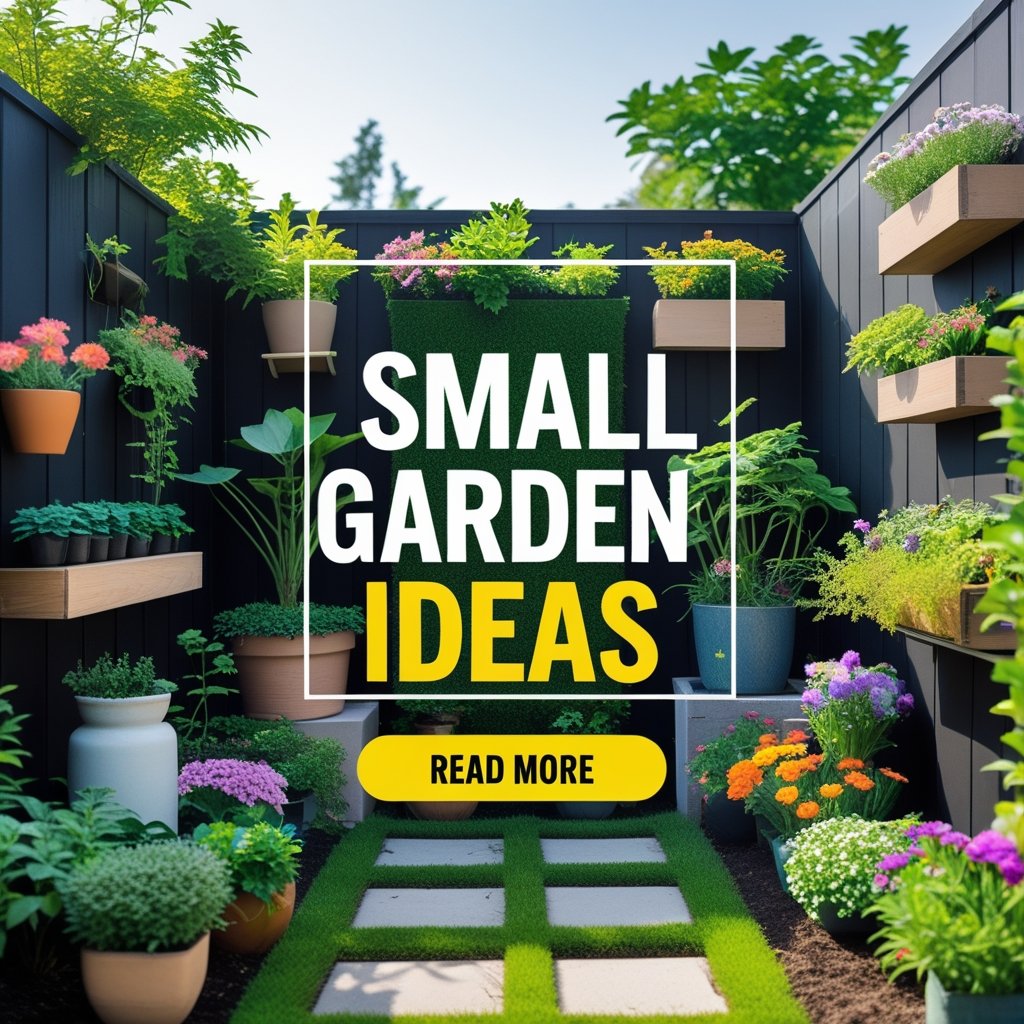
Creating a beautiful small garden is possible even if you have limited space. You can transform a patio, balcony, or tiny backyard into a charming and functional garden by using smart layouts, vertical gardening, and choosing the right plants. Simple design choices can make your outdoor area feel inviting without needing a large budget.
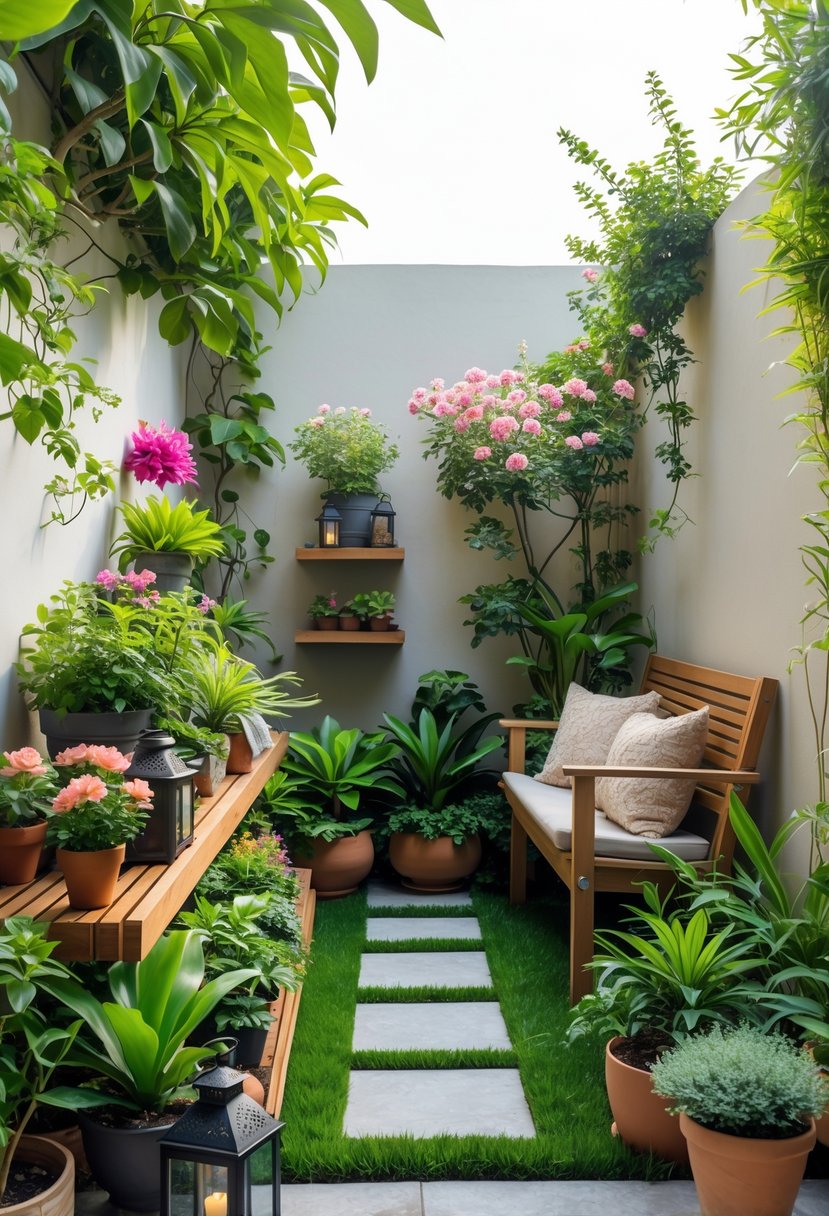
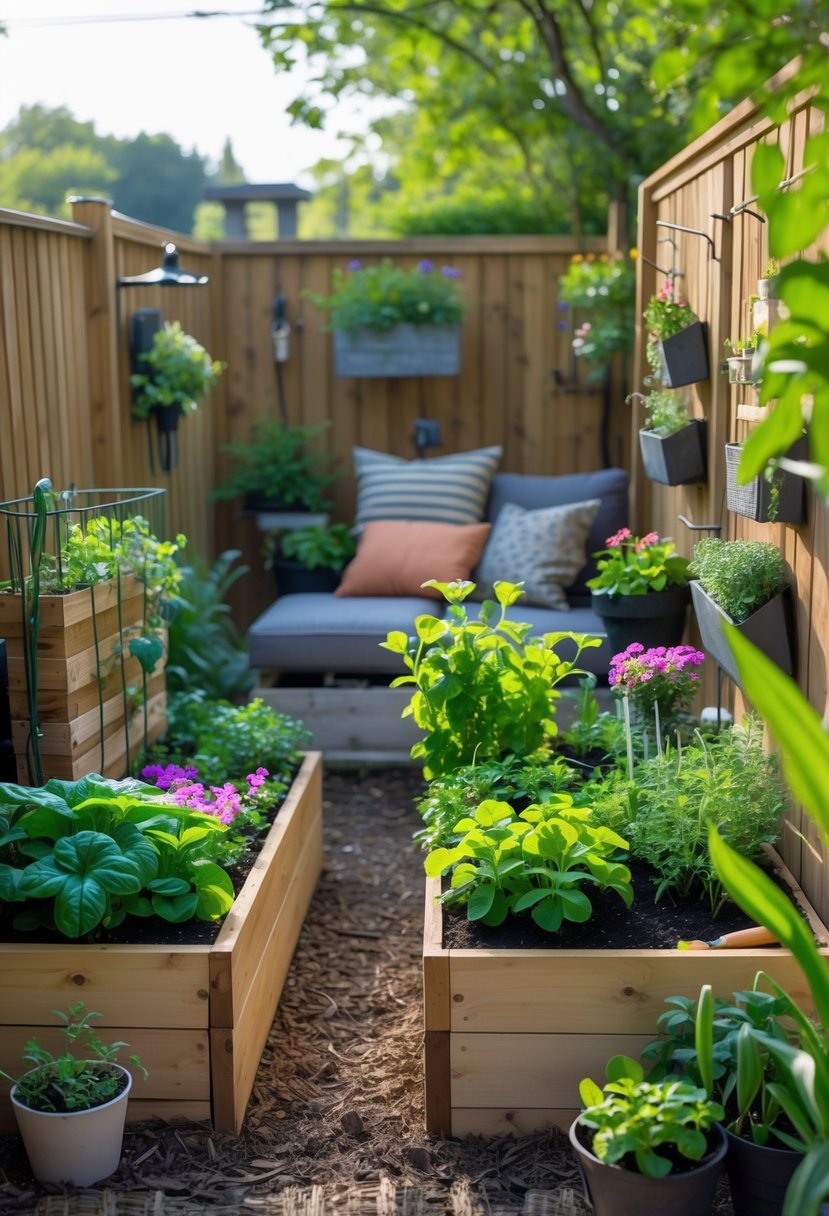
Your small garden can include raised beds to keep weeds down and make watering easier, as well as cozy seating or decorative touches to add personality. With careful planning, every inch of your space can be used to create a peaceful, green oasis that fits your lifestyle and needs.
Design Principles for Small Gardens
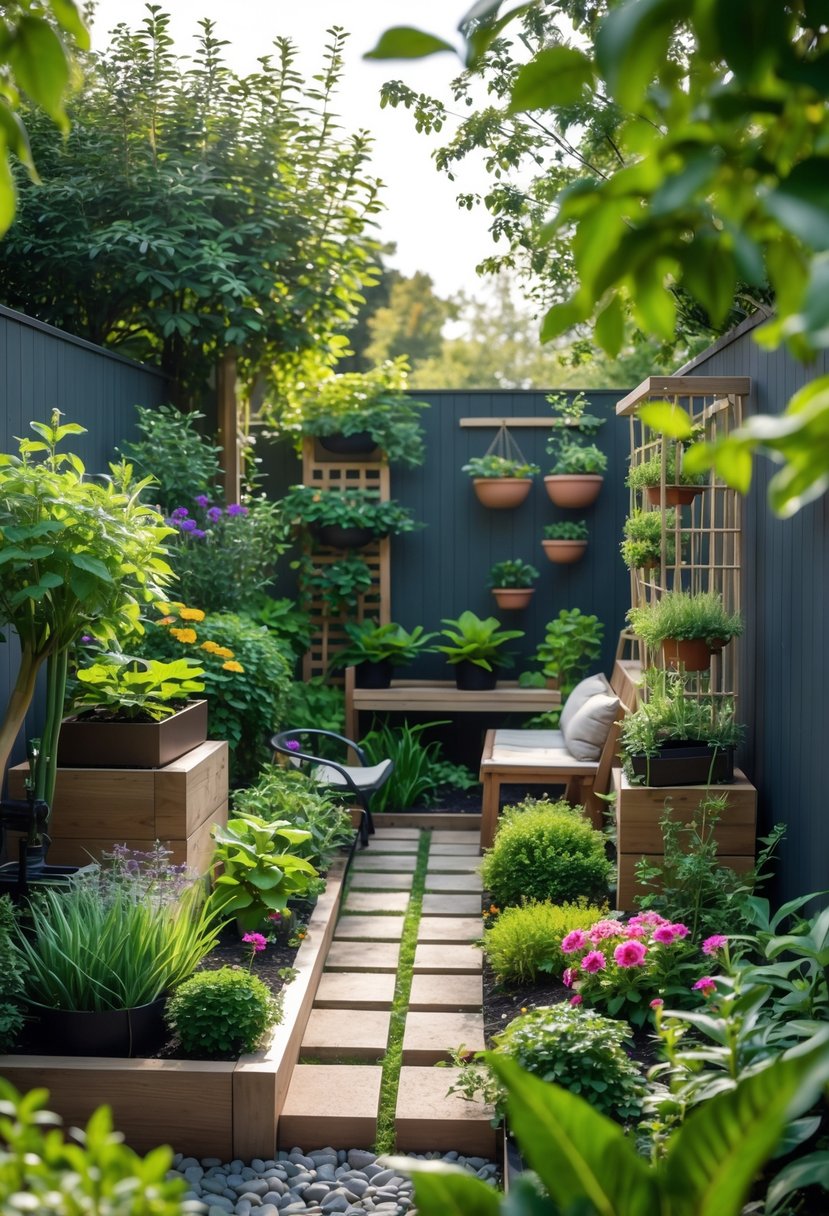
When working with a limited garden area, you must carefully evaluate your space and light conditions. Choosing the right layout helps organize the area efficiently. Using vertical space adds extra growing room and keeps the garden feeling open.
Assessing Space and Sunlight
Start by measuring the total square footage of your garden. Note any permanent features like paths or patios that limit planting areas. Next, observe how sunlight moves across your garden during the day.
Mark areas with full sun, partial shade, and full shade. This matters because plants have varying sunlight needs. For example, tomatoes require at least 6 hours of direct sun, while ferns do well in shady spots.
Understanding your space and light helps you select plants that will thrive. It also prevents overcrowding and ensures each plant gets enough sunlight. Keep in mind that shadows from buildings or trees can affect sunlight patterns, especially in small gardens.
Selecting an Appropriate Layout
Choose a layout that fits both your space and how you want to use your garden. Common layouts include:
- Grid Layout: Plants arranged in straight rows for ease of access.
- Radial Layout: Plants centered around a focal point like a tree or fountain.
- Layered Layout: Taller plants at the back, shorter ones in front.
Consider paths or stepping stones to navigate the garden without damaging plants. Leave enough space between plants to allow air flow, which reduces pests and fungal growth.
If you want a seating area, plan for it early. Compact benches or foldaway furniture work well in small spaces. A clear plan prevents crowded or cluttered designs, keeping your garden functional and inviting.
Maximizing Vertical Space
Using vertical space lets you grow more without expanding your garden’s footprint. You can install trellises, wall-mounted planters, or vertical garden frames.
List of vertical options:
- Trellises for climbing plants like beans or roses.
- Hanging baskets to add color without taking ground space.
- Wall-mounted pots for herbs or small flowers.
- Stacked planter boxes to create layers of growing space.
Vertical gardening increases the visual height of the garden, making it feel larger and more interesting. It also improves air circulation and sunlight exposure for plants.
When placing vertical structures, ensure they do not block sunlight for lower plants. Secure all vertical supports firmly to prevent damage in wind or rain. This strategy makes your garden efficient and attractive.
Innovative Small Garden Solutions
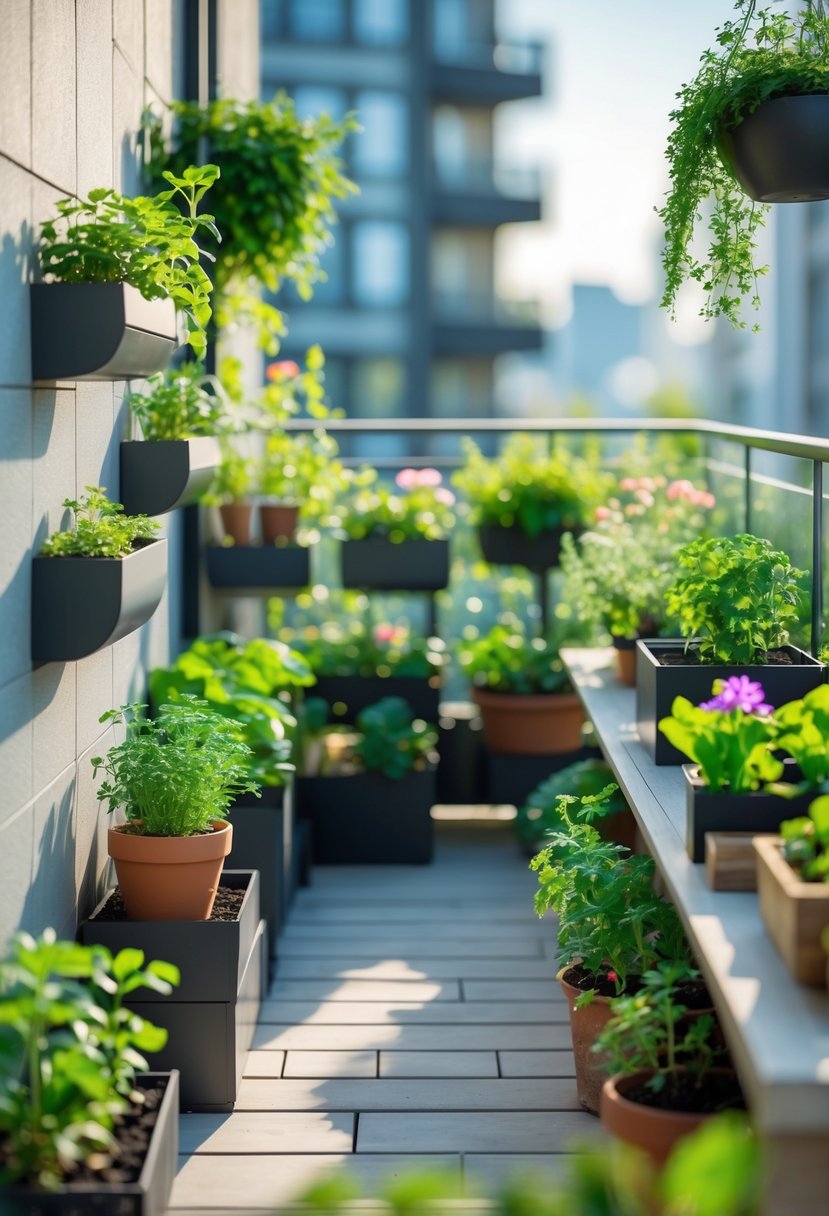
Making the most of a small garden requires smart techniques that save space while boosting productivity and style. Using containers, raised beds, and multi-functional furniture, you can create a practical and attractive garden even with limited room.
Container Gardening Techniques
Container gardening lets you grow a variety of plants without needing large ground space. You can use pots, hanging baskets, or even recycled containers to organize your plants efficiently. Select containers based on the plants’ root size and water needs to keep them healthy.
Consider vertical containers or tiered stands to free up floor space and add visual interest. Group plants with similar sunlight and watering requirements together for easier care. Containers also allow you to move plants to catch sunlight or shelter them during bad weather. Use lightweight materials like plastic or resin to prevent damage when moving pots.
Utilizing Raised Beds
Raised beds improve soil quality and drainage, which is important when garden space is limited. Building raised beds from wood, stone, or metal lets you control the soil type and avoid compacted ground. This makes your plants healthier and easier to manage.
Raised beds can be narrow but long, fitting into small yards or patios. Incorporate pathways around them to access plants without stepping on the soil. You can also add drip irrigation to raise efficiency and reduce water waste. Raised beds make planting and harvesting easier by reducing bending and reaching.
Incorporating Multi-Functional Furniture
In a small garden, furniture can double as storage or planting space. Benches with built-in planters or storage boxes help save space by combining seating with growing areas. Tables can have shelves underneath to store tools or small potted plants.
Look for foldable or stackable pieces that can be rearranged depending on your garden activities. Furniture made of durable, weather-resistant materials will last longer outdoors. By selecting multi-use items, you reduce clutter and keep your garden organized and usable for both relaxation and planting.
Frequently Asked Questions
Small gardens require careful planning and smart use of space. Budget-friendly solutions, plant choices, and layout techniques can help you get the most from limited outdoor areas.
How can one design a small garden on a limited budget?
Focus on DIY projects like building raised beds from recycled wood or creating container gardens using affordable pots. Use inexpensive materials such as gravel or mulch for paths.
Choose plants that are easy to grow and maintain. Avoid costly features and instead add functional items like storage benches that serve multiple purposes.
What are the optimal planting strategies for a very small garden space?
Use vertical planting to save ground space. Wall-mounted planters, trellises, or hanging baskets let you grow more without crowding the floor.
Group plants by their sunlight needs and water requirements. This makes care simpler and improves plant health in compact areas.
What is the best way to arrange plants in a small front yard garden?
Place taller plants toward the back or along fences to create depth. Keep shorter flowers and ground covers in front for a clear view.
Use curved paths or angled beds to maximize space and add visual interest. Incorporate a focal point like a small tree or sculpture to anchor the design.
How can I create a modern, yet low-maintenance small garden?
Select clean lines and simple shapes in your garden layout. Choose easy-care plants like succulents, grasses, or evergreen shrubs.
Limit the number of plant species to reduce upkeep. Incorporate hardscape features such as stone paving or raised beds for structure and less gardening work.
Which plants are most suitable for a contemporary small garden?
Opt for architectural plants like boxwood, ornamental grasses, or bamboo. These plants keep a neat appearance and suit modern design themes.
Consider using space-saving varieties like dwarf shrubs and compact perennials. Edible plants such as herbs or mini vegetables also fit well.
Can you provide inspiration for small garden designs that maximize limited space?
Vertical gardens using wall planters or stacked pots maximize growing area. Container gardens allow you to rearrange plants easily.
Combine raised beds with seating areas to blend function with aesthetics. Use compact furniture and multi-use features like storage benches to save space.
