
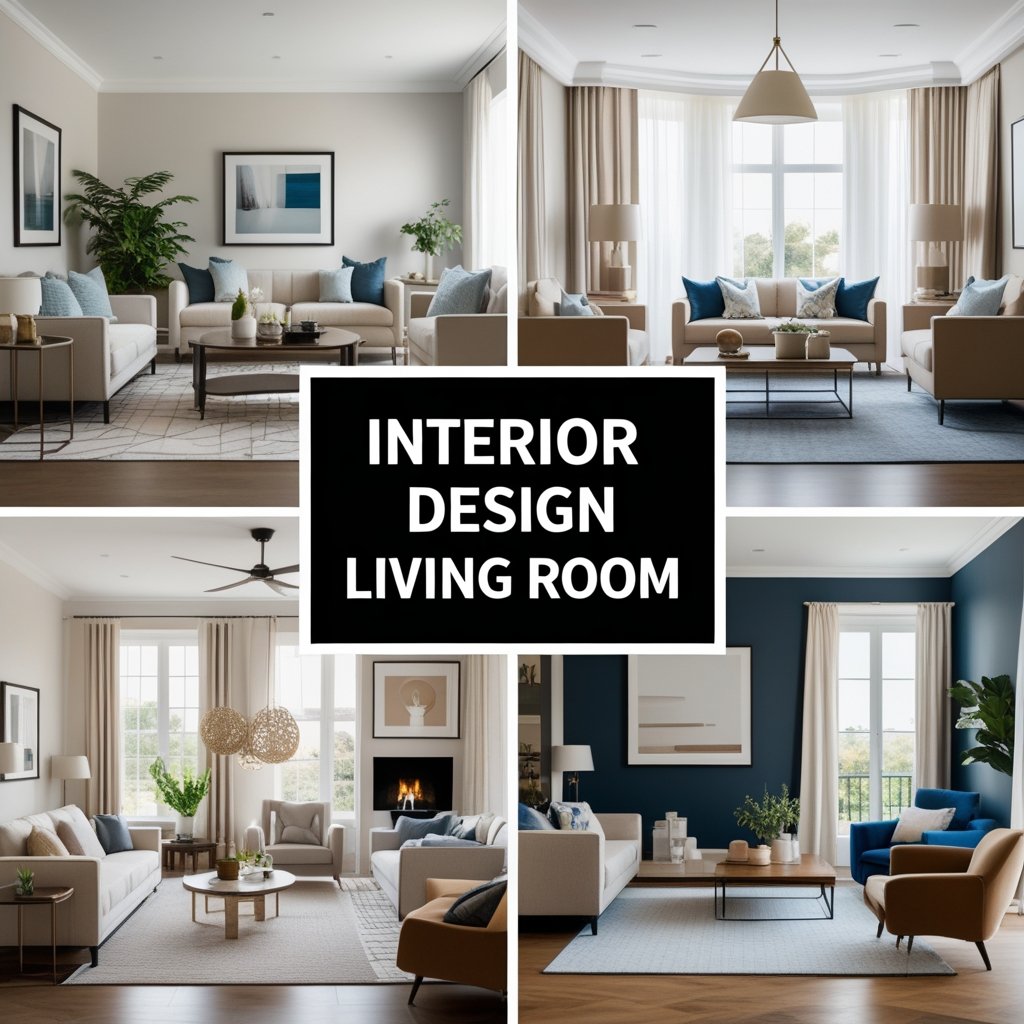
Interior design for a living room focuses on creating a space that is both functional and inviting. It combines the right colors, furniture, and decor to fit the size and style of the room. The key to successful living room design is balancing comfort with personal style while making the area practical for everyday use.
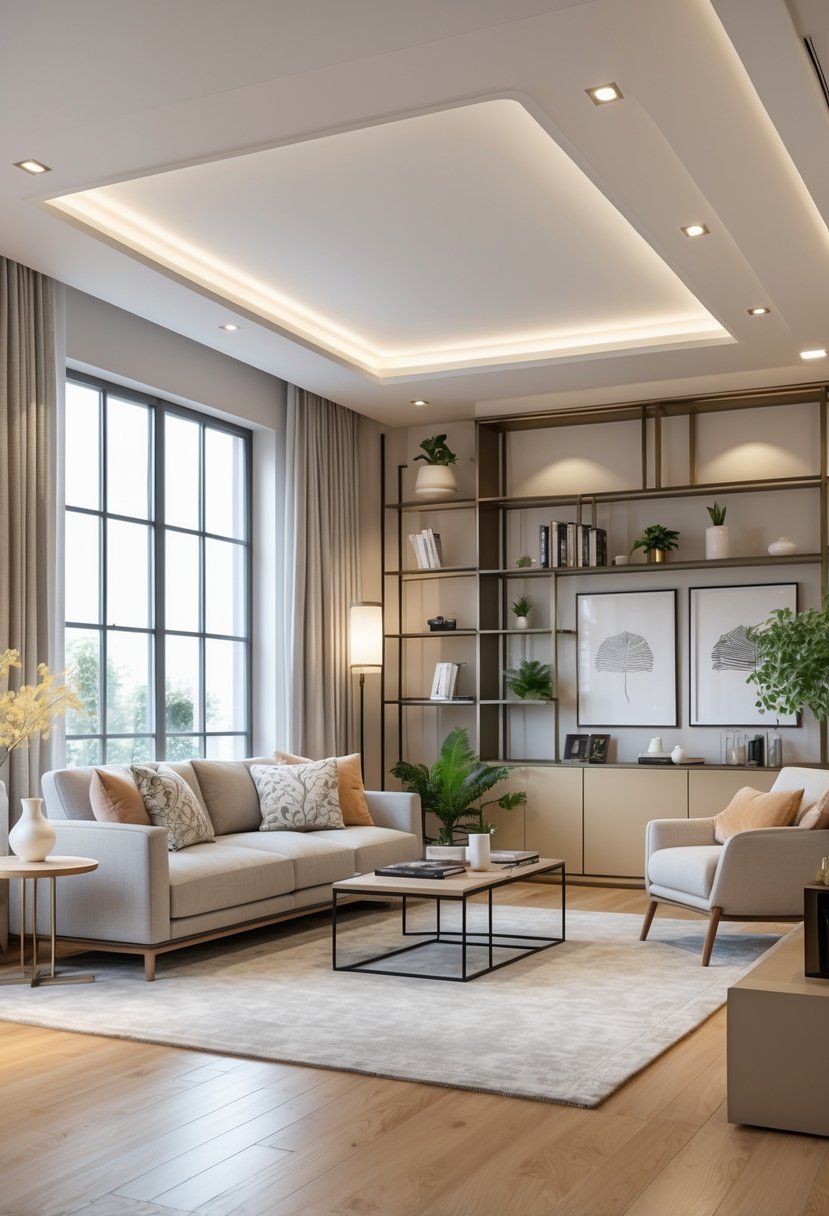
Living rooms are often the heart of a home where people gather, relax, and entertain. Choosing the right layout and accents can make the space welcoming and showcase personality. Whether the room is small or large, simple changes like rearranging furniture or adding new decor can transform it.
Designers suggest mixing various seating options and using clever storage to optimize the room. The goal is to create a stylish, organized space that works well for the family’s needs and fits their budget.
Essential Elements of Living Room Interior Design
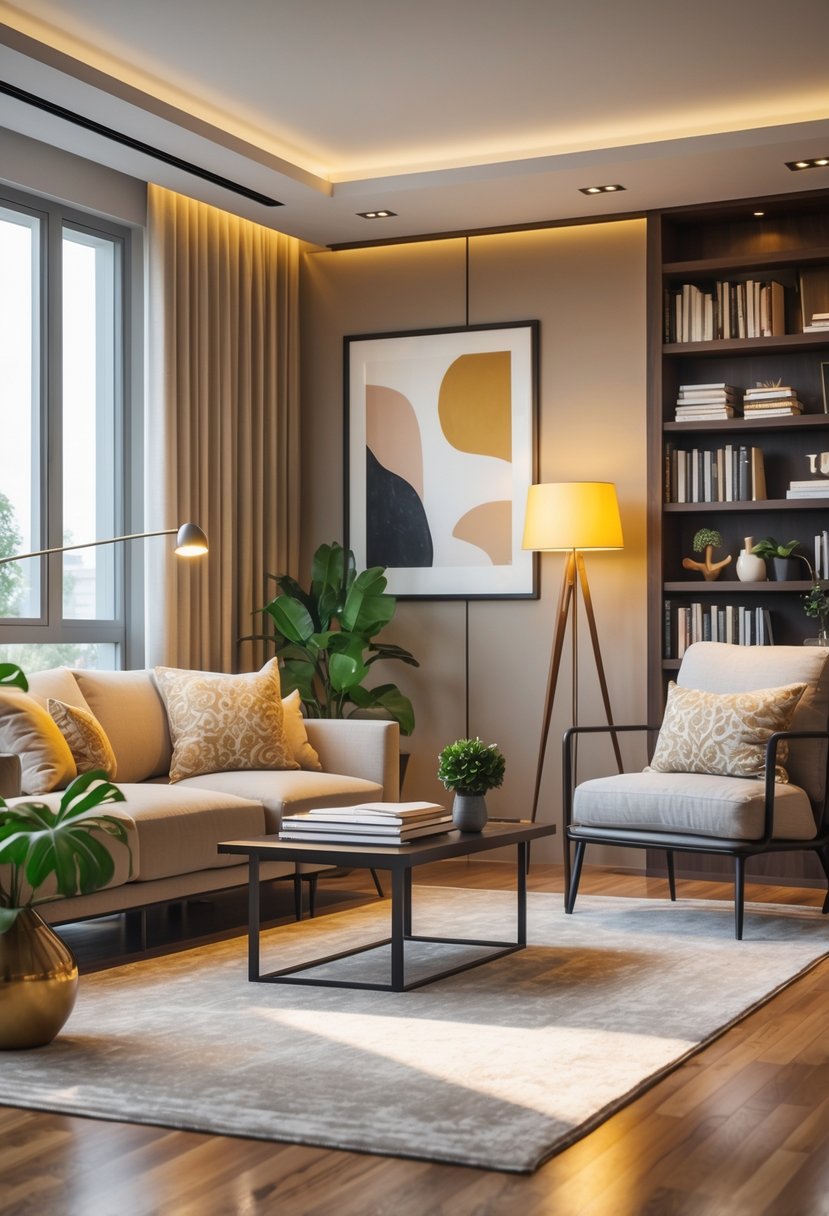
A living room’s design balances function and style. Each choice, from the room’s layout to the flooring, shapes comfort and appearance. Practical decisions about space, light, color, and materials create a living area that feels inviting and works well for daily life.
Space Planning and Layout
Effective space planning maximizes comfort and ease of movement. It starts with measuring the room and noting fixed features like doors and windows. Arranging furniture around natural focal points, such as a fireplace or TV, helps define the purpose of the space.
Seating should allow clear pathways without crowding. Group chairs and sofas to encourage conversation, typically placing the main seating within 8 to 12 feet of each other. Leaving 3 feet of walkway between furniture makes the room feel open.
Using multi-purpose furniture can add functionality in smaller spaces. Clear zones for various activities—relaxing, reading, or socializing—make the room more user-friendly.
Lighting Strategies
Lighting must balance both function and mood. A layered lighting design combines ambient, task, and accent lights for flexibility. Overhead lights provide general illumination, while floor and table lamps highlight reading or conversation areas.
Natural light improves the room’s atmosphere and reduces energy use. Windows should be dressed with sheer curtains or blinds that control brightness without blocking sunlight.
Accent lighting, like wall sconces or picture lights, adds depth and highlights design features. Using dimmers gives control over brightness, helping shift the mood from lively to cozy easily.
Color Schemes and Palettes
Choosing the right colors affects the room’s feel and size perception. Neutral tones like beige, gray, or ivory create a calm, roomy atmosphere. They also give flexibility to change accents and decor.
Bold colors work well as accents on walls, pillows, or rugs, adding interest without overwhelming the space. Using a mix of cool and warm tones balances energy and comfort.
A simple way to select a palette is the 60-30-10 rule: 60% dominant color, 30% secondary, and 10% accent. This approach brings harmony and visual appeal to the room.
Choosing Flooring Options
Flooring impacts both style and comfort in a living room. Wood floors are popular for warmth and durability. They fit many styles, from traditional to modern.
Laminate offers a cost-effective alternative that mimics wood but is easier to maintain. It suits homes with pets or high foot traffic.
Tile is durable and easy to clean but can feel cold. Adding area rugs enhances comfort and introduces color or texture.
When selecting flooring, durability, comfort, and maintenance are key. The choice should complement the room’s overall design and daily use needs.
Furniture Selection and Arrangement
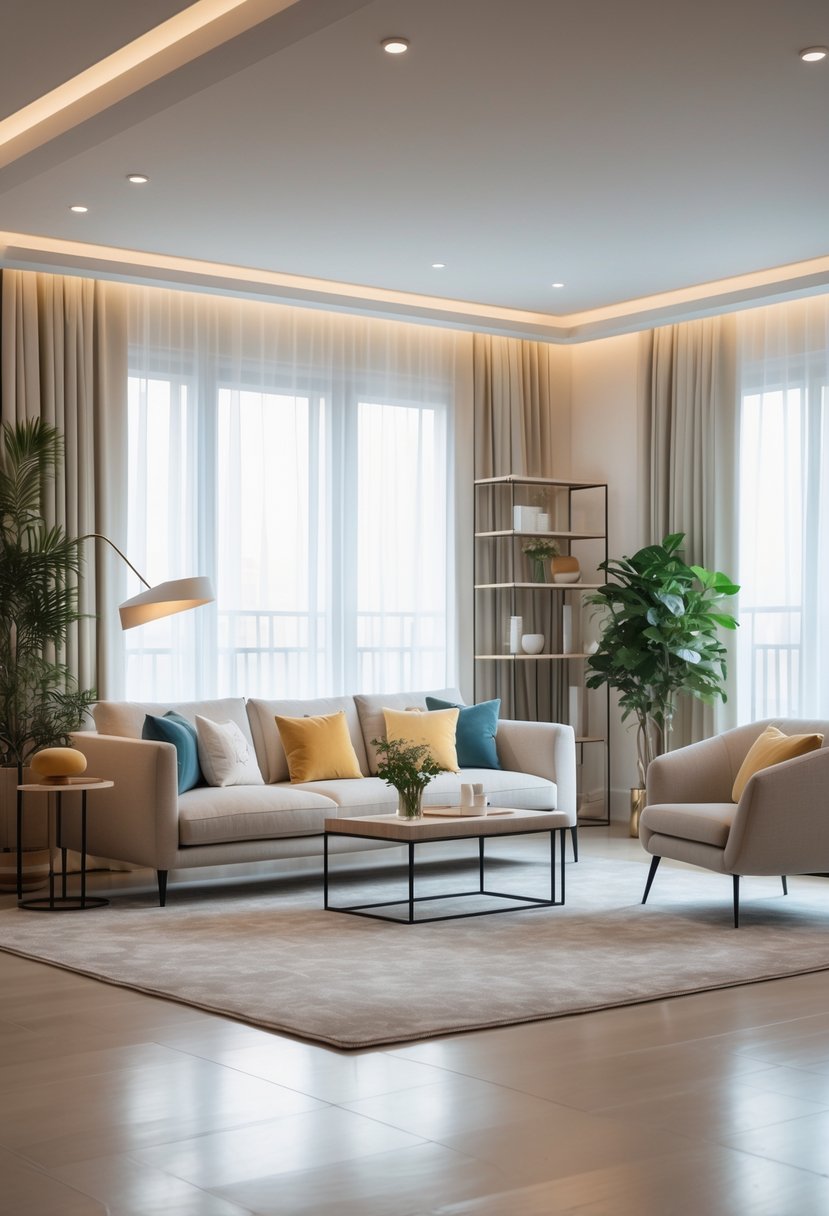
Choosing the right furniture and arranging it well shapes how a living room feels and functions. Comfort, room size, and the room’s purpose all guide decisions on sofas, tables, and seating pieces. Effective placement ensures smooth movement and encourages conversation.
Sofa and Seating Choices
A sofa is often the focal point, so its size and style must fit the room’s scale and use. For smaller spaces, a loveseat or sectional with a low profile helps keep the room open. In larger rooms, a traditional sofa paired with a loveseat or sectional balances comfort with ample seating.
Material and color play important roles. Durable fabrics or leather suit families or high-traffic areas. Neutral tones create flexibility for changing accents. Seating arrangements should promote conversation, often with sofas facing or angled toward each other. Modular sofas allow customization in layout to match room shape and lifestyle.
Functional Coffee Tables
Coffee tables serve as both practical and style elements. Tables with storage compartments or shelves maximize space, keeping clutter hidden yet accessible. Rounded edges improve safety in homes with children.
Size matters: ideally, coffee tables should be about two-thirds the length of the sofa to maintain balance. Height should align with sofa cushions for easy reach. Materials like glass or light wood can open up tight spaces, while heavier wood or metal adds visual weight in bigger rooms.
Accent Chairs and Ottomans
Accent chairs add style while boosting seating. They work well opposite the sofa or in corners, creating extra conversation spots. Chairs with slim arms and shorter backs fit smaller spaces without overwhelming them.
Ottomans are versatile; they can function as footrests, extra seating, or even as a coffee table with a tray on top. Choosing ottomans with storage enhances utility. Pairing ottomans and chairs in matching or complementary fabrics ties the space together visually and functionally.
Decor and Accessory Integration
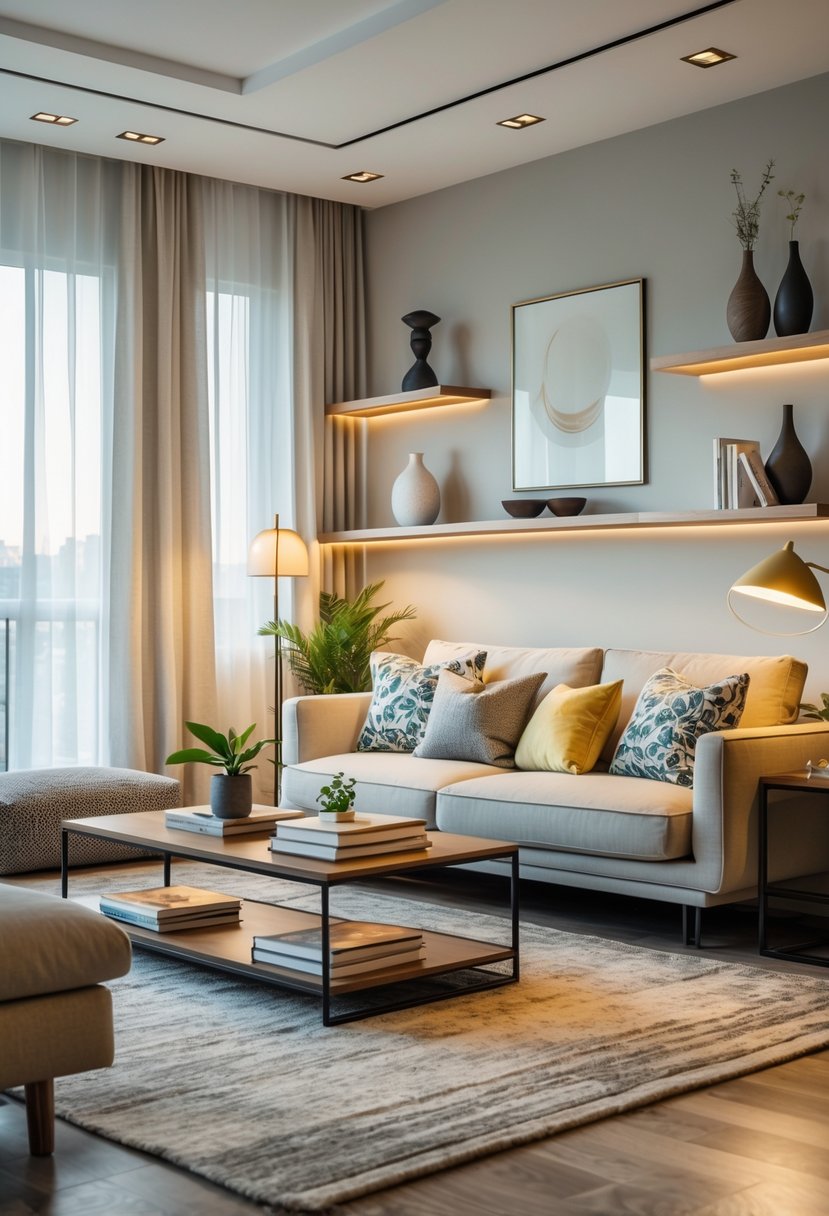
Decor and accessories should create a balance between function and style, enhancing the room’s atmosphere without clutter. Thoughtful placement and a consistent color scheme help maintain coherence. Small details like texture and focal points can make a big difference.
Wall Art and Photography
Wall art and photography serve as focal points in the living room. Choosing pieces that match the room’s color palette helps unify the space. Large-scale art can anchor an area, while smaller frames work well in grouped arrangements.
The style of the artwork should reflect the homeowner’s personality and the overall design theme. Frames in complementary tones prevent visual clashes. Consider hanging art at eye level for better engagement.
Rotating photos or artwork seasonally can refresh the space without extra cost. Proper lighting, like adjustable picture lights or spotlights, highlights these pieces and adds dimension.
Textiles and Soft Furnishings
Textiles bring warmth and texture to a living room. Layers of cushions, throws, and rugs soften hard furniture and create a cozy vibe. Mixing different textures—such as velvet cushions with linen throws—adds depth without overwhelming.
Color choice here should either complement or subtly contrast the furniture and walls. Patterns can introduce interest but should be limited to avoid confusion.
Functional textiles should be easy to clean, especially in high-traffic rooms. Throws are useful accessories that also invite comfort. Consistent style and quality in textiles help tie different decor elements together.
Plants and Greenery
Plants introduce life and a natural element to any living space. They improve air quality and soften architectural lines. Choosing the right size is key: taller plants can fill empty corners while small pots work well on shelves and tables.
Varied leaf shapes and textures add visual interest. Placement should consider the light each plant needs, keeping them healthy and vibrant.
Using simple, modern pots in neutral colors allows the greenery to stand out. Grouping plants in odd numbers often looks more natural and balanced. Proper care routines ensure plants remain a positive design feature, not a burden.
Integrating Technology and Smart Solutions
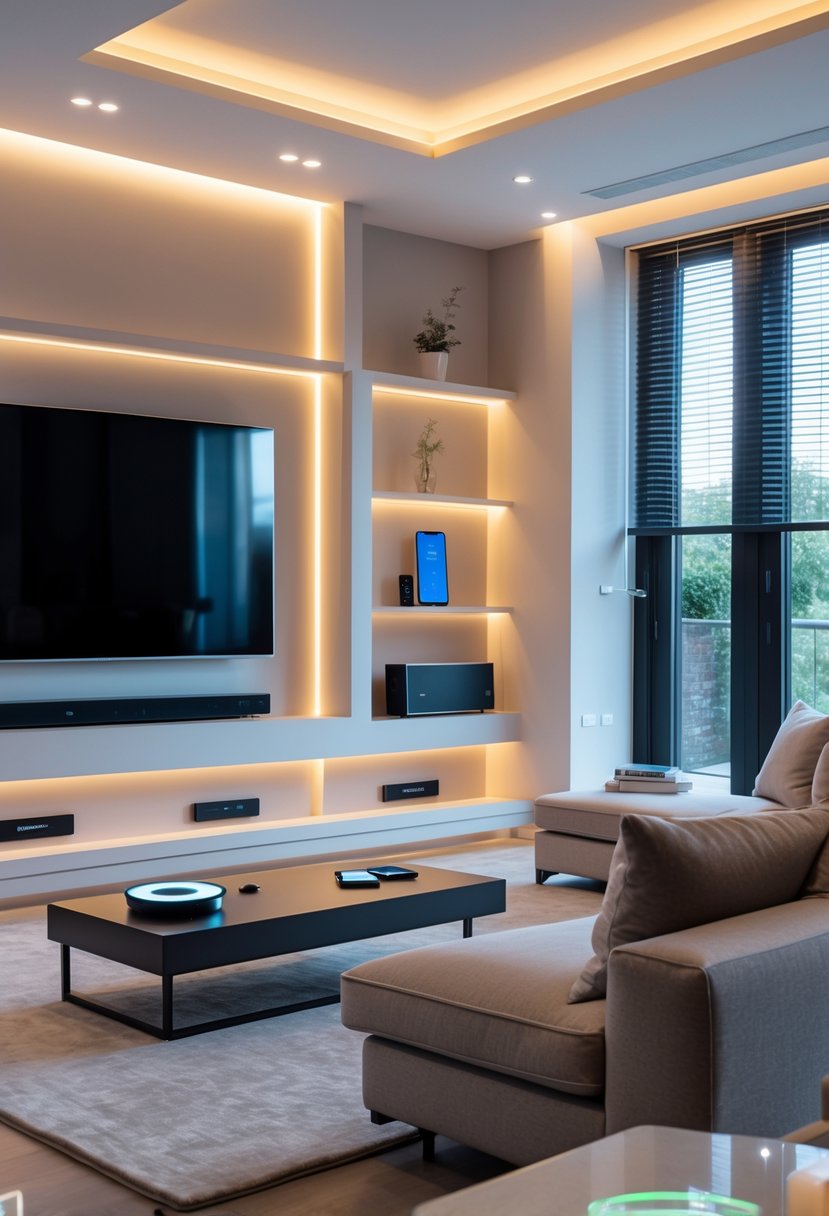
Modern living rooms benefit from smart technology that improves both style and function. Effective placement of entertainment systems and clever storage can keep the space tidy, comfortable, and visually pleasing. These elements work together to enhance daily living without clutter or distraction.
Entertainment Systems Placement
Entertainment systems should be positioned to maximize viewing angles and sound quality without overwhelming the room. A wall-mounted TV is common, saving floor space and creating a clean look. The screen height should be eye level when seated, reducing neck strain.
Speakers and soundbars can be hidden behind fabric panels or built into shelves for better sound distribution and a neater appearance. Wireless devices help reduce cable clutter, while smart hubs can centralize control for lighting, sound, and devices through voice or app commands.
Consider furniture placement to avoid blocking signal paths from remotes or Wi-Fi. Clear sightlines and easy access to controls improve user experience significantly.
Concealed Storage Ideas
Smart living rooms need storage solutions that keep technology and accessories out of sight. Built-in cabinets with cable management systems prevent cords from tangling and showing.
Floating shelves with hidden compartments can hold remotes, gaming controllers, or streaming devices. Using furniture with multi-use storage—like ottomans or coffee tables with secret drawers—combines convenience with style.
Designers often use wall recesses for routers or small devices, reducing clutter on surfaces. Concealing power strips and chargers in dedicated spots also preserves the clean, modern look essential for a tech-forward living room.
Personalizing Your Living Room Style
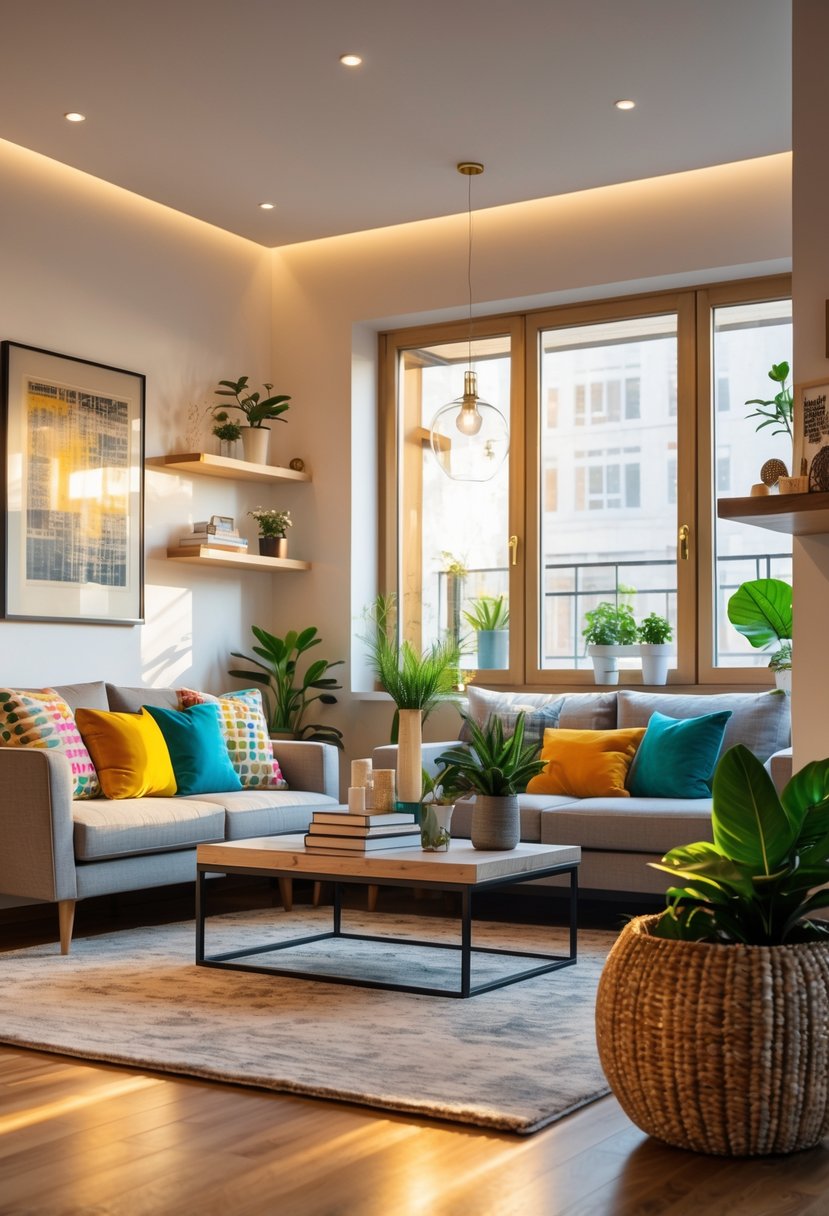
A living room should reflect the owner’s personality and tastes. Personal touches create a space that feels both inviting and authentic. Elements such as meaningful objects and thoughtful design choices make a room uniquely theirs.
Incorporating Personal Collections
Displaying personal collections is a direct way to add character to a living room. Items like books, art pieces, souvenirs, or vintage finds tell a story about the person’s interests and experiences. Shelves, open cabinets, and dedicated display areas work well for this purpose.
To keep the look orderly, collections should be grouped by theme, color, or size. Use lighting strategically to highlight key pieces and add depth. Rotating items seasonally can keep the space fresh without changing the entire design. Personal collections serve not only as décor but as conversation starters and points of connection.
Mixing Design Styles
Combining different design styles creates a dynamic and personal space. For example, pairing modern furniture with antique accessories produces an eclectic look that breaks monotony. This method allows a living room to feel layered and lived-in.
When mixing styles, balance is crucial. Choose one style as the base and add accents from another. Pay attention to scale, color, and texture to ensure harmony. A minimalist couch with rustic wooden tables or a sleek metal lamp next to a traditional rug can work well together. Thoughtful blending avoids a cluttered feel and highlights the unique taste of the homeowner.
Frequently Asked Questions
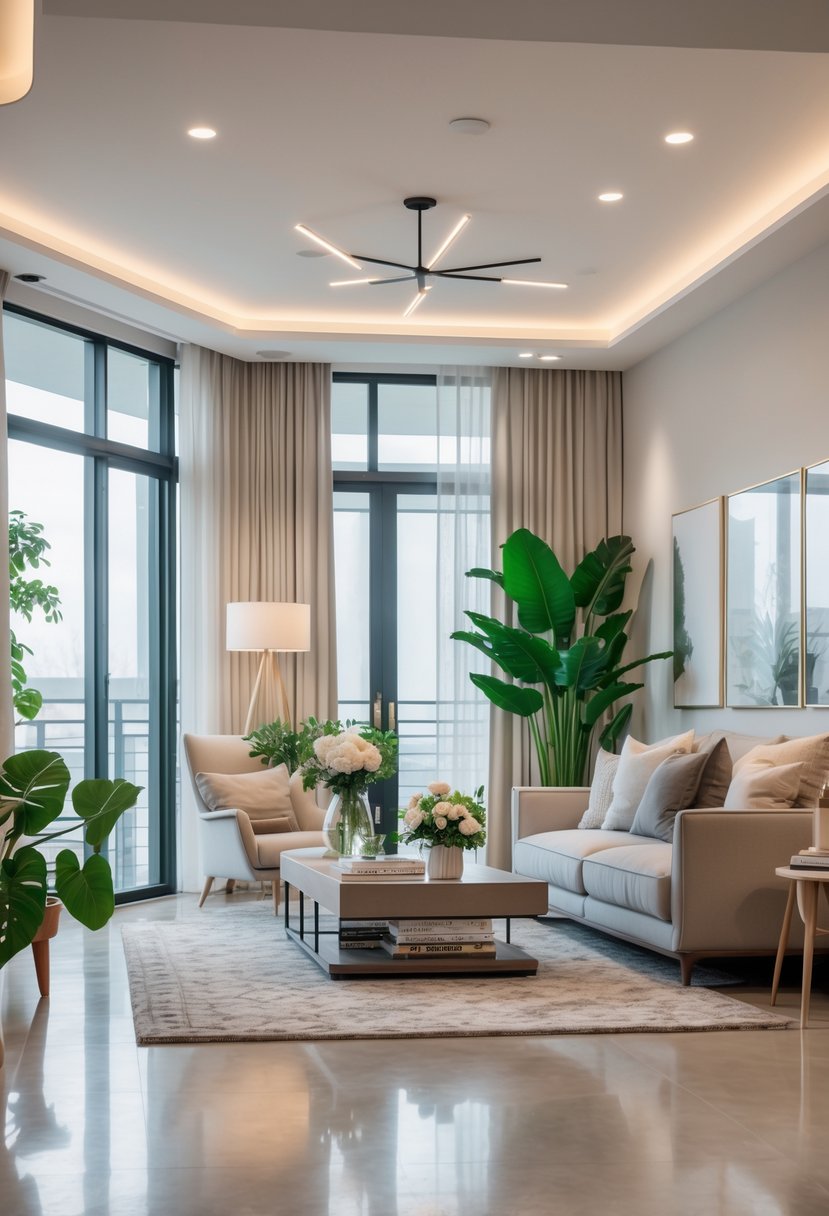
Designing a living room involves careful planning of space, lighting, colors, and furniture. Each choice affects how comfortable and functional the room feels. Small living rooms demand clever solutions, while technology now plays a bigger role in creating modern spaces.
What are the key principles of living room layout to maximize space and flow?
A good layout balances open space with seating. Furniture should be arranged to allow easy movement, avoiding cluttered paths. Anchoring the seating area with a large rug can help define the space and create a natural flow.
Placing key pieces like sofas and chairs near focal points, such as a fireplace or TV, makes the room feel inviting. It’s also important to mix different heights and shapes to add visual interest without crowding the area.
How can lighting be used to enhance the ambiance in a living room?
Layered lighting works best. Combining overhead lights, floor lamps, and table lamps allows control over brightness and mood. Dimmer switches help adjust light levels for different activities.
Natural light is valuable and should be maximized with sheer curtains or blinds. Accent lighting, like wall sconces or LED strips, can highlight artwork or architectural features, adding depth to the room.
What color schemes are currently popular for living rooms and how do they affect mood?
Neutral tones such as beige, gray, and soft whites remain popular for their calming effect. These colors create a clean, open feeling and serve as a flexible backdrop for other decor.
Earth tones like muted greens, warm browns, and blues are also in demand. These bring a sense of comfort and connection to nature, making the room feel cozy and grounded.
What are some space-saving furniture ideas for small living rooms?
Multipurpose furniture, like storage ottomans or sofa beds, helps make the most of limited space. Nesting tables and foldable chairs can be tucked away when not in use.
Wall-mounted shelves and slim console tables provide storage without taking up floor space. Choosing furniture with exposed legs creates a lighter, less crowded look.
How can one choose the right mix of textures and patterns in living room decor?
Mixing smooth and rough textures adds interest while keeping the room balanced. For example, pair a soft velvet sofa with a woven rug or leather cushions.
Patterns should complement, not clash. Using stripes, florals, or geometrics in similar tones helps unify the space. Limit bold patterns to smaller items like pillows or curtains to avoid overwhelming the room.
What are the latest smart home features that can be integrated into living room design?
Smart lighting systems enable customizable colors and automated schedules, improving convenience and mood. Voice-controlled assistants can manage music, lights, and even window treatments.
Built-in charging stations and hidden cable management keep the space tidy. Smart thermostats help maintain comfortable temperatures efficiently, blending technology seamlessly into the room’s design.
